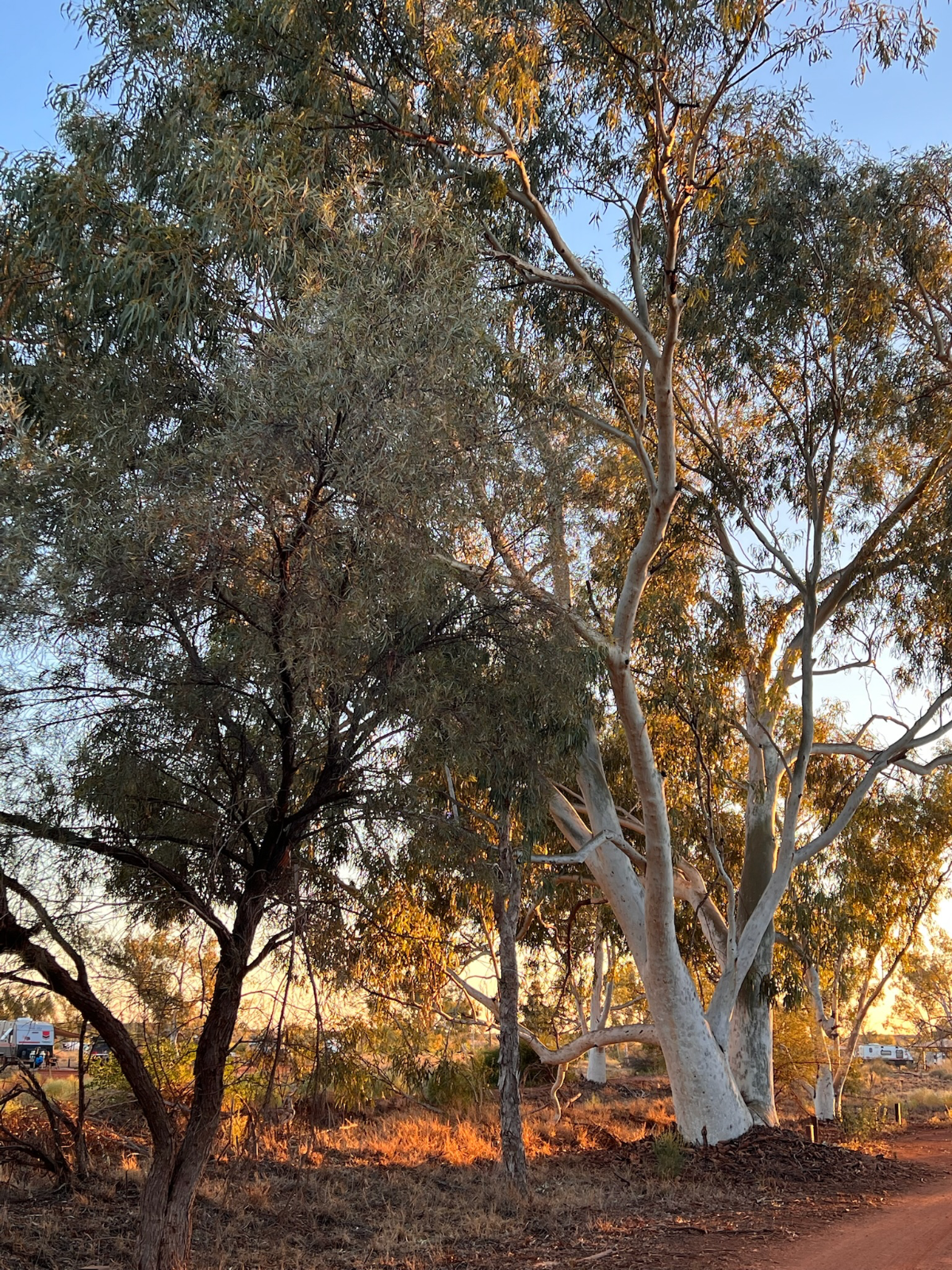
We started out on our first day with an inspiring sunrise, the way the light catches the white bark of the gums as the sun drops is pure magic, turning the whole world a dusty gold. It has been a spectacular way to start the day, and we feel lucky to be here with good friends.
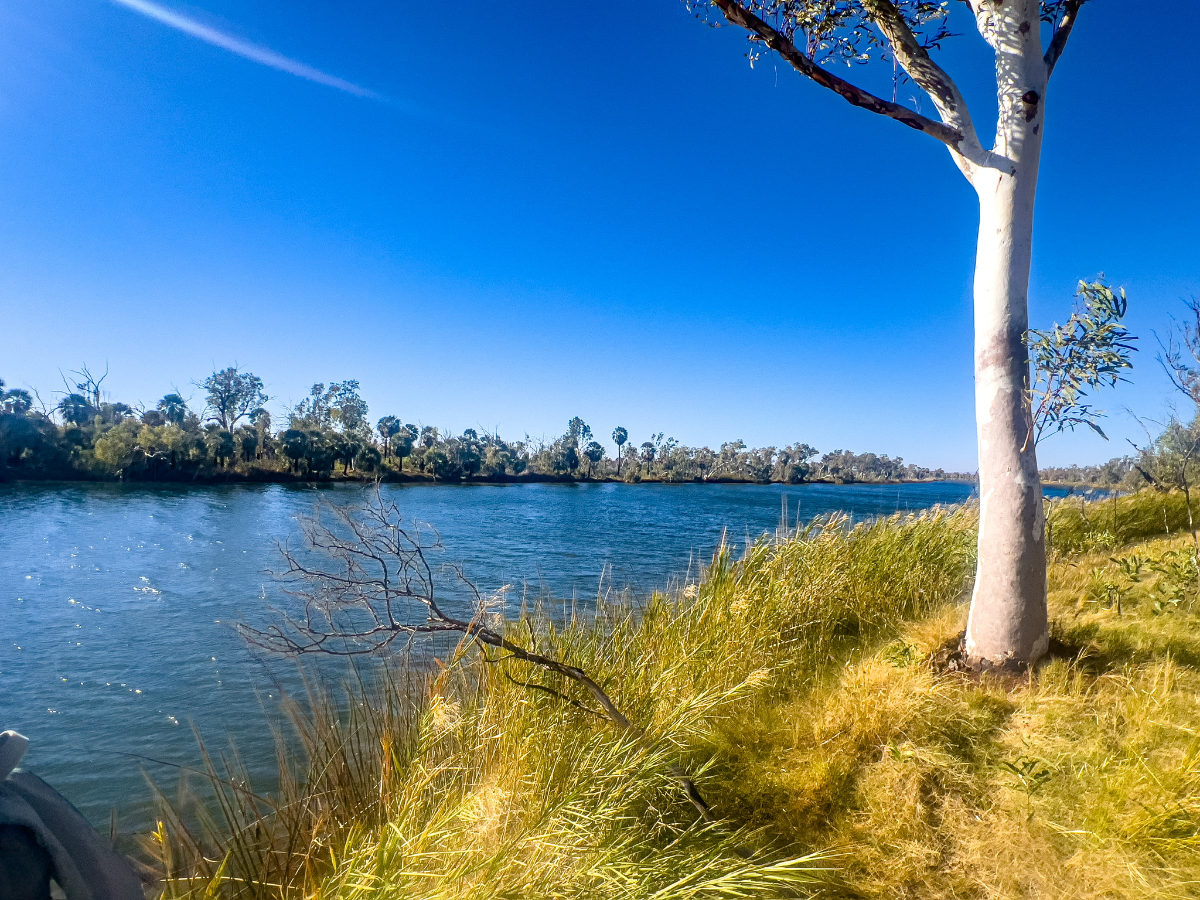
We spent some time wandering along the edge of the Deep Reach swimming hole. The water is a deep, inviting blue, framed by those striking white gums and thick reeds that line the banks. We talked about having a splash, but the air still had a bit of a nip in it. Lisa decided it wasn't nearly hot enough to justify the shivers, and I had to agree. It is better just to sit and watch the light play on the surface while the reflections of the gums shimmer in the slight breeze.
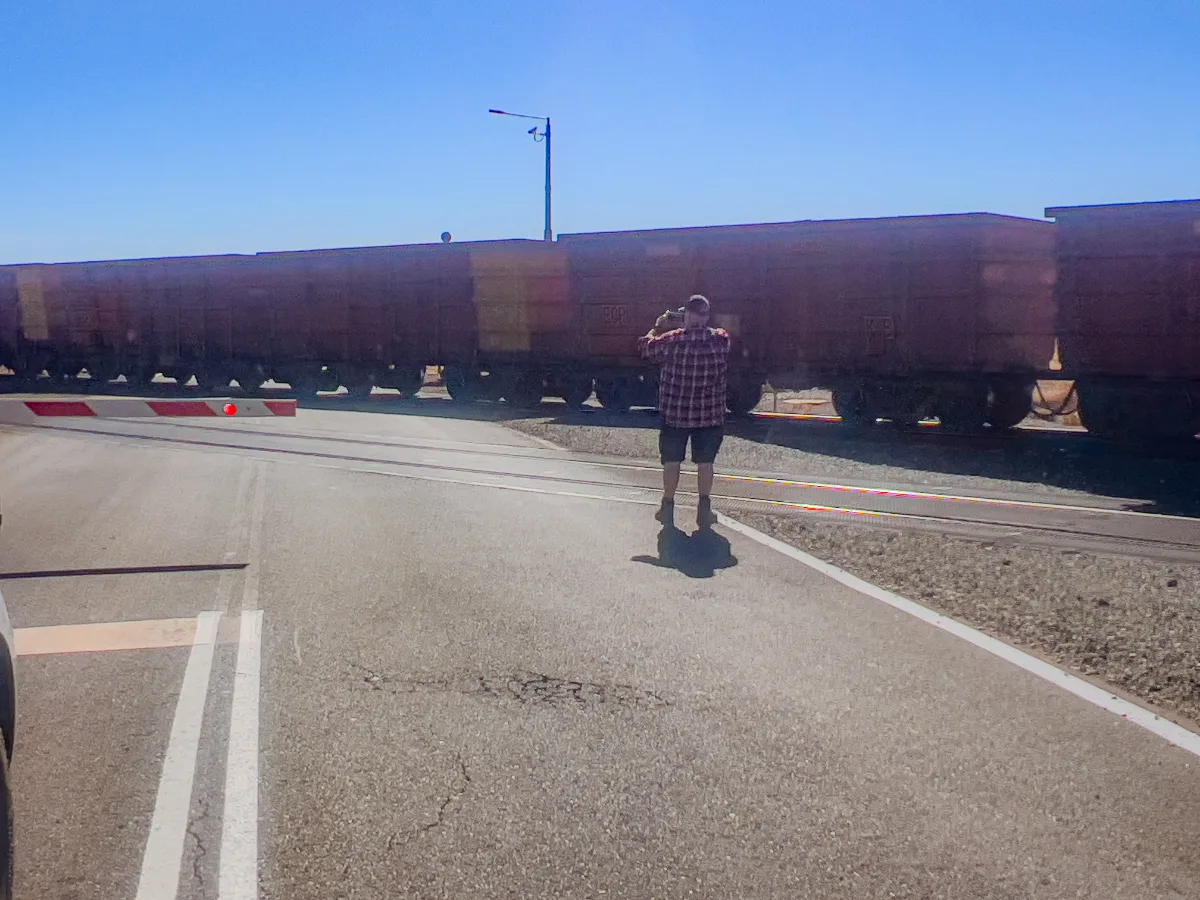
On our way out further into the park, we got held up at the tracks. I didn't mind one bit. Steve jumped out to grab a photo of the ore train as it rumbled past. It is a proper Pilbara experience, standing there in the heat while dozens and dozens of those heavy iron cars clatter by, loaded with the red wealth of the north. Lisa stayed in the cool while we waited the three minutes for the crossing to clear. There is something about the scale of those trains that never gets old.
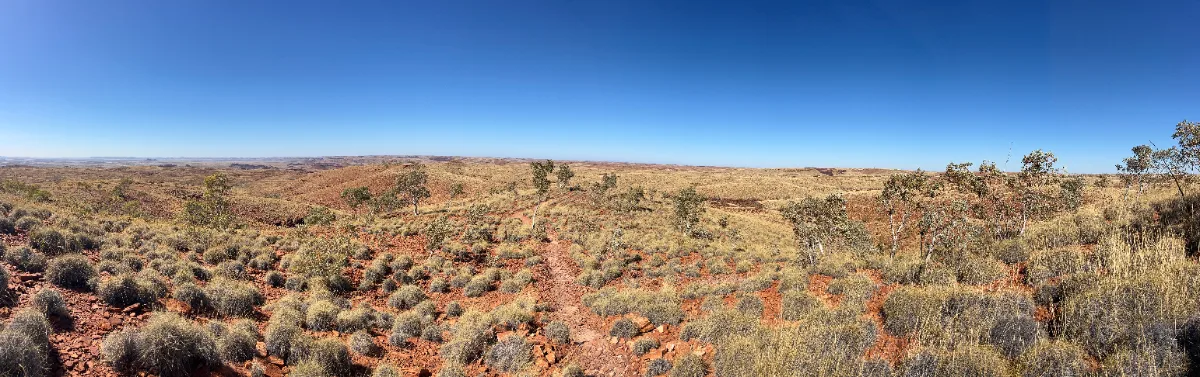
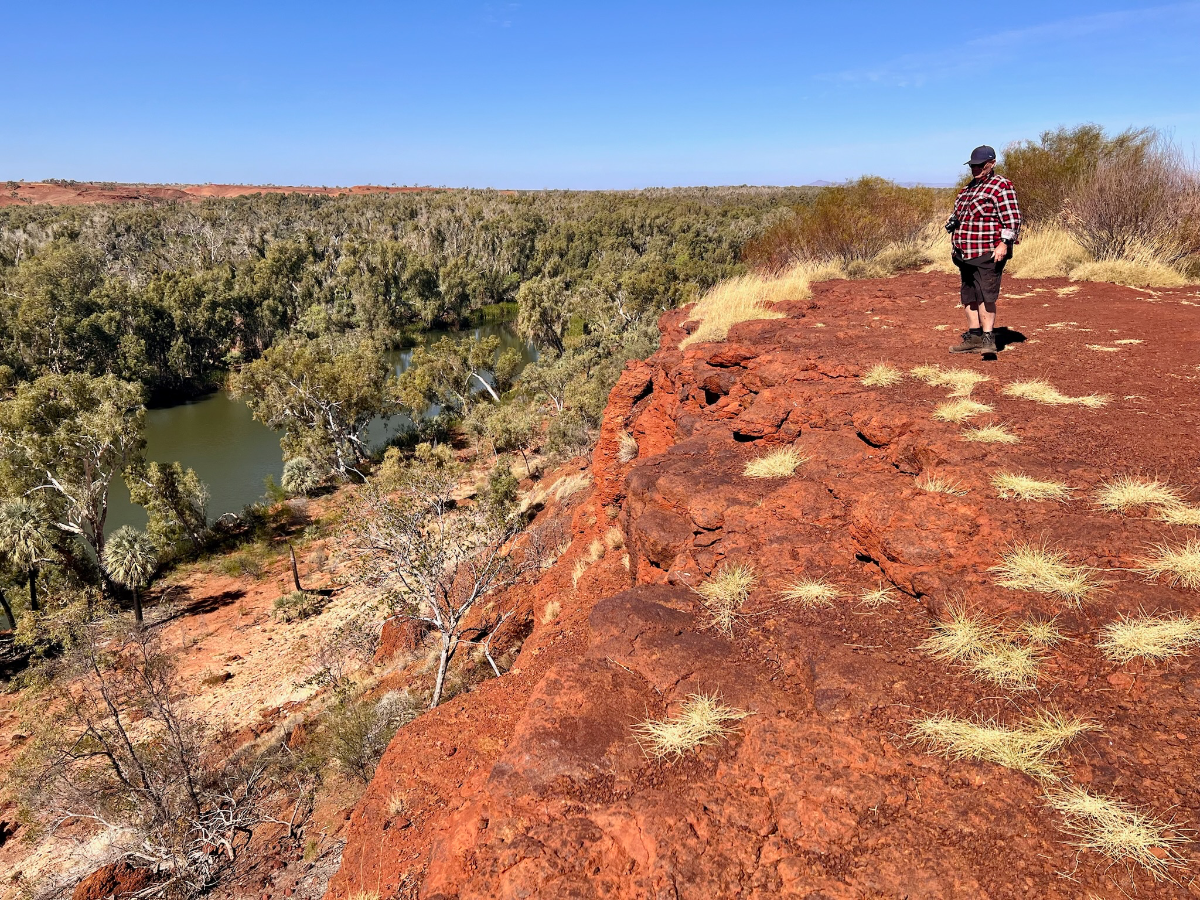
We headed up to the Mount Herbert lookout and the surrounding ridges. You can see forever from up there—just wave after wave of red earth and golden spinifex under a massive, unbroken sky. It is a harsh landscape, but there is a beauty in how much of it there is.
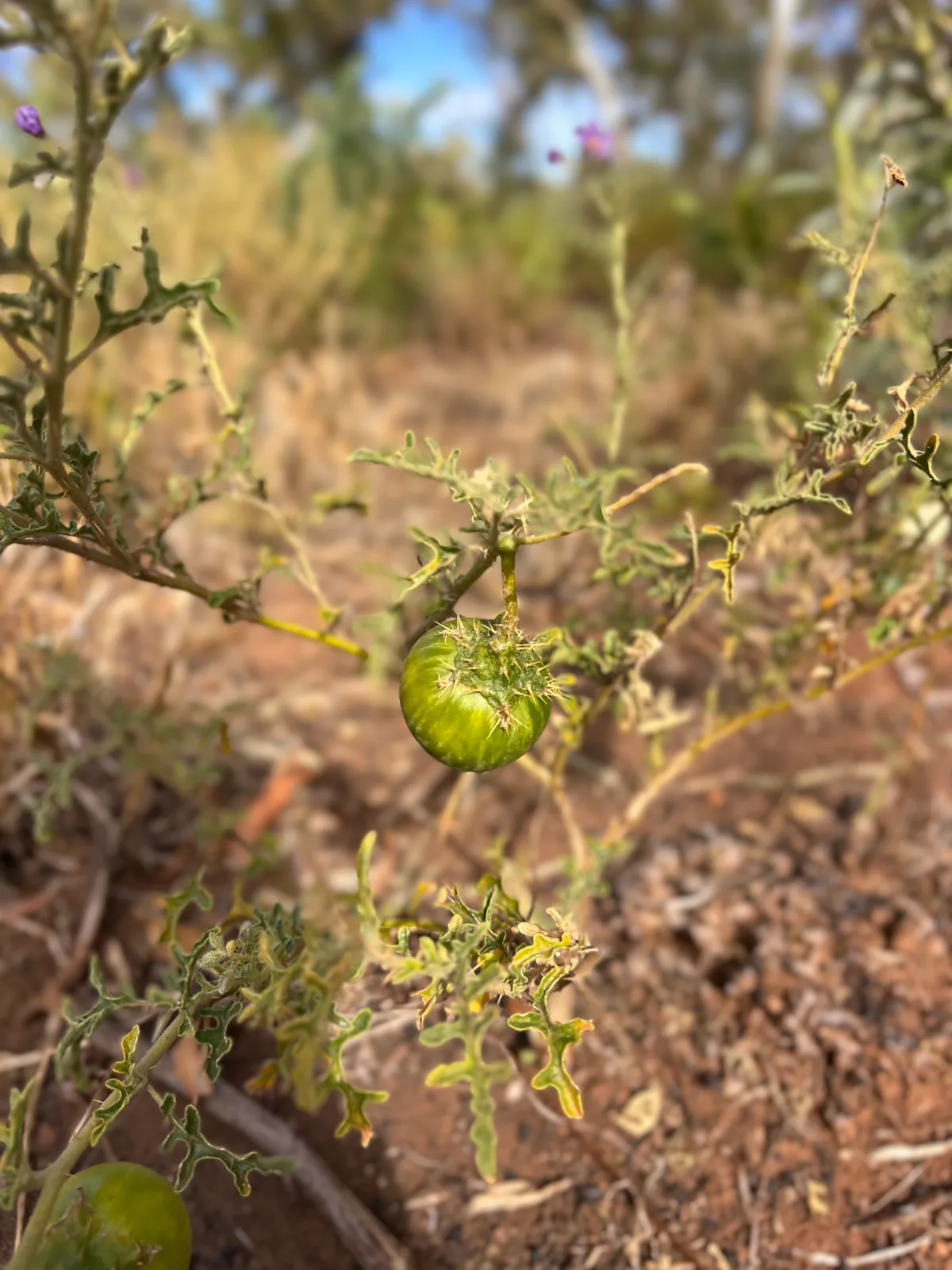
While we were poking around the scrub, I spotted a little bush tomato tucked away in the red dirt. It is a bright splash of green and purple against the parched ground, a tough little survivor in a place that doesn't give much away for free.
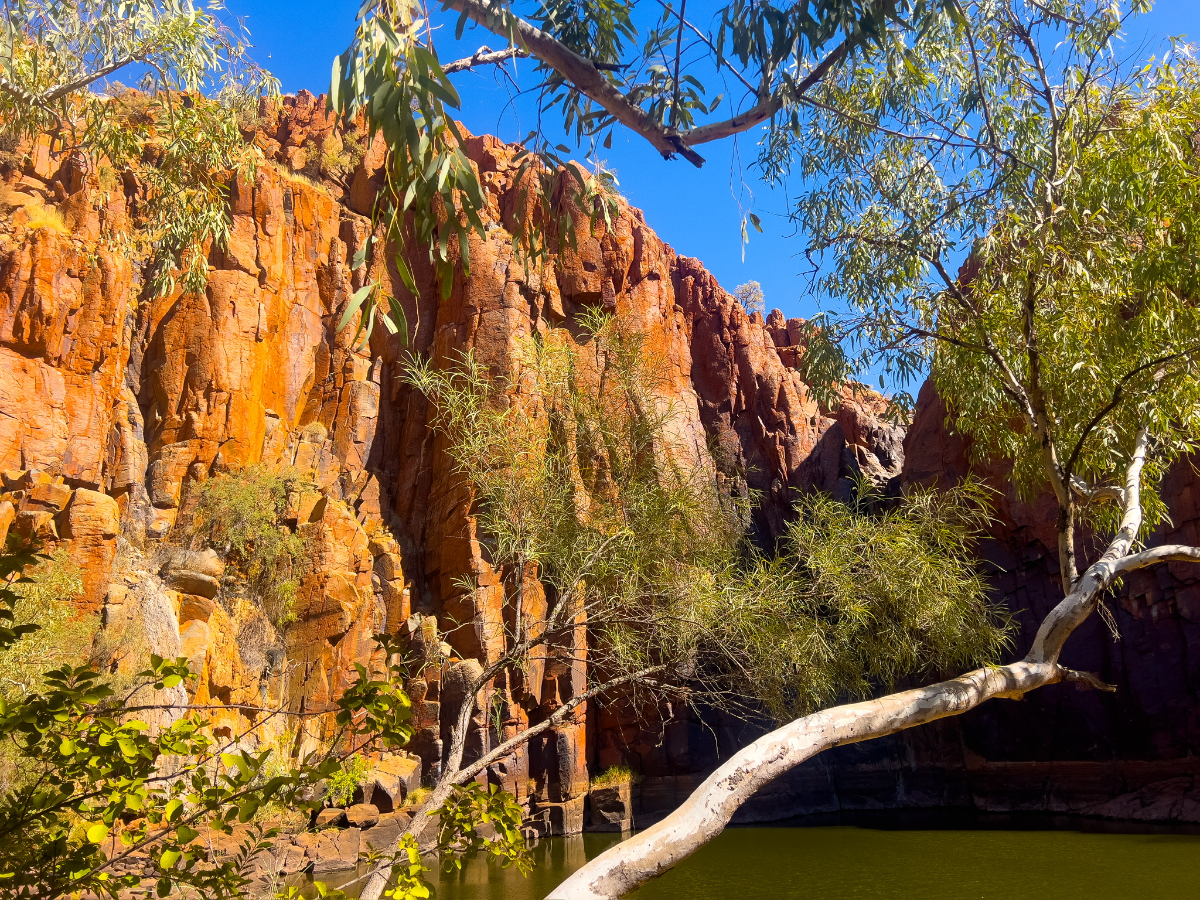
The highlight for us was Python Pool. This place really got to us. The red rock walls are massive and ancient, towering over the green water tucked into the base of the cliffs. We felt the age of the land there, right in our bones. It is quiet and heavy with history. I climbed up to one of the higher lookouts to look back down over the river winding through the valley. Seeing water carving its way through the rugged red country is a sight I won’t soon forget.
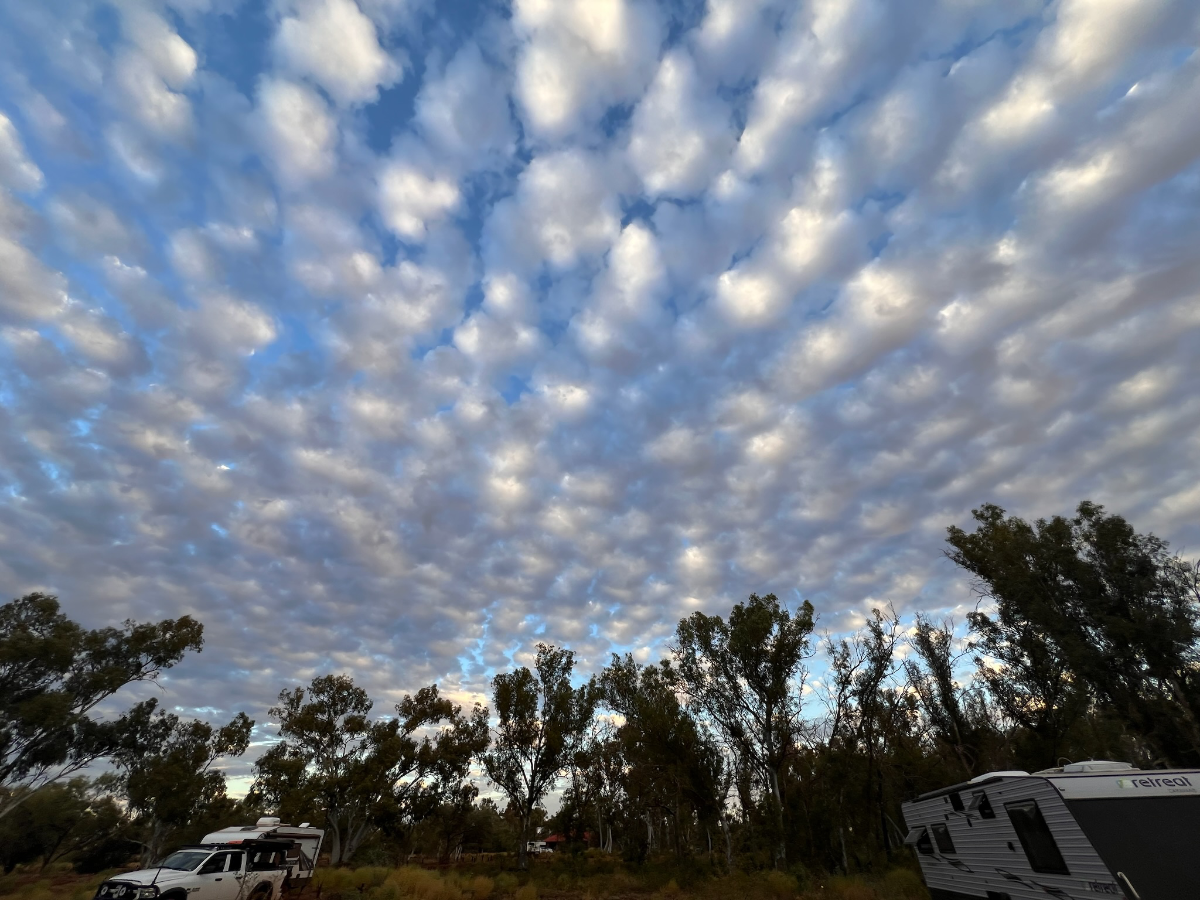
We finished our day wandering through the old Millstream station before settling in for the evening. The sky looked like a layer of dappled cotton wool had been pulled across the blue. It was a hell of a way to end our first day, just watching those clouds catch the evening light while the world was still quiet.
🔒 Unlock the Full Gallery
Trip Gallery


