Our time in North Cowra, New South Wales, proved to be unexpectedly rich, offering a blend of serene beauty and somber reflection. Our day began with a rather civilized morning tea.
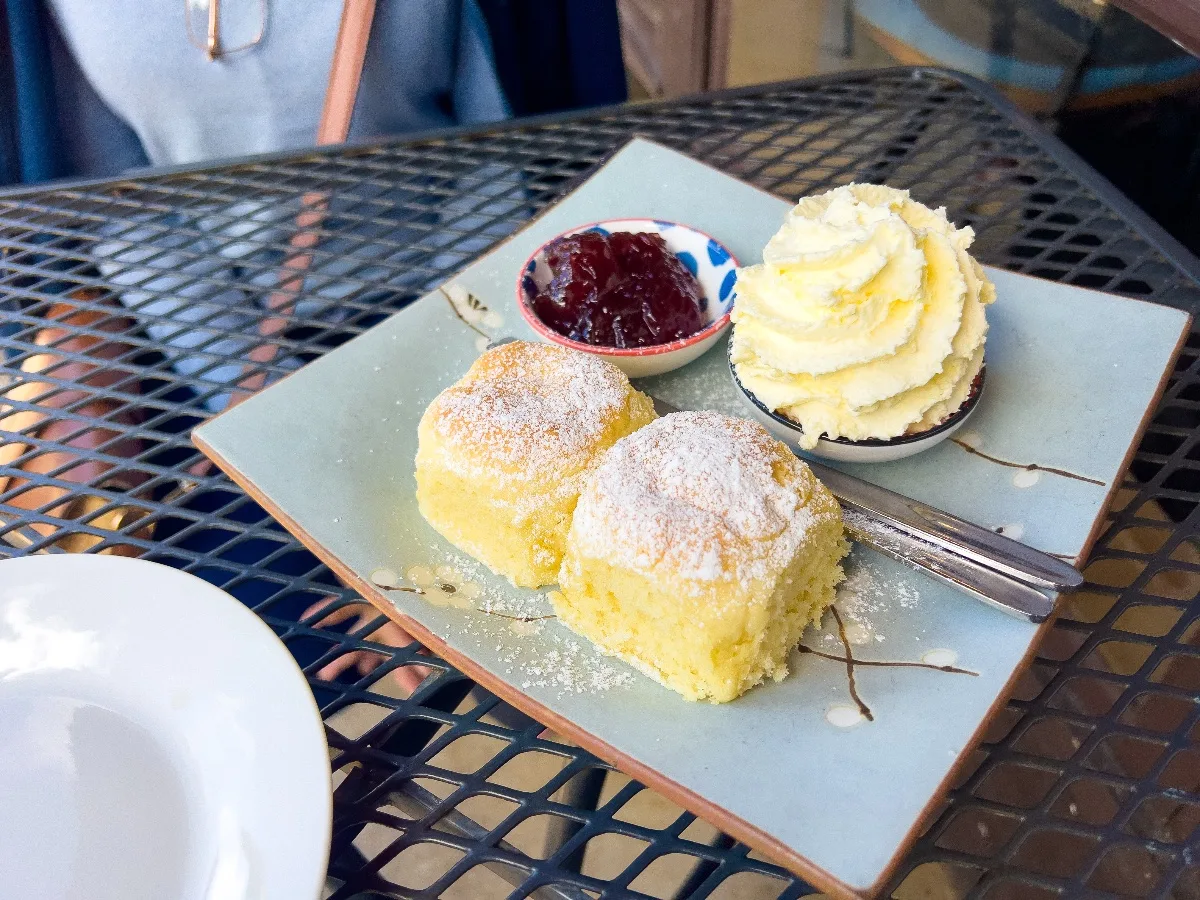
Those scones were begging to be slathered with jam and cream and we were more than happy to oblige.
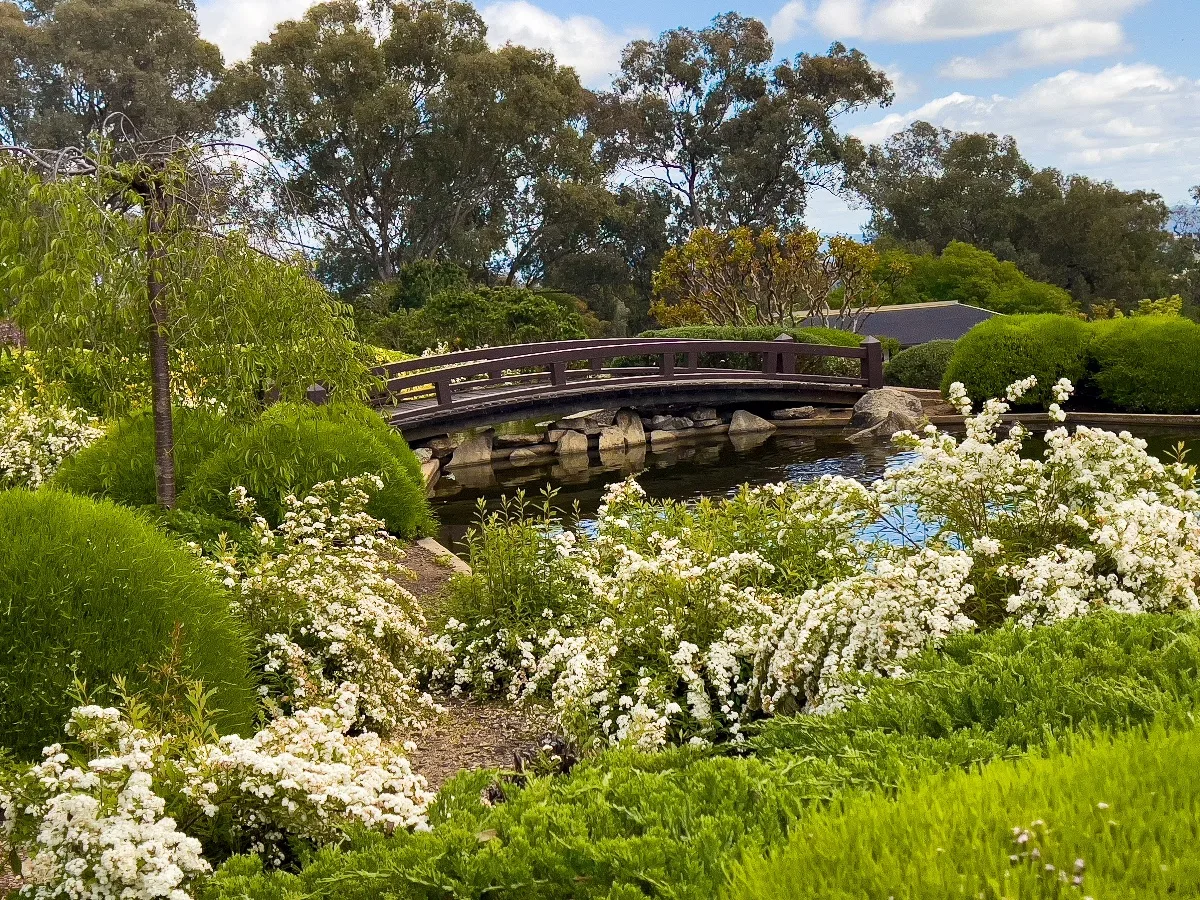
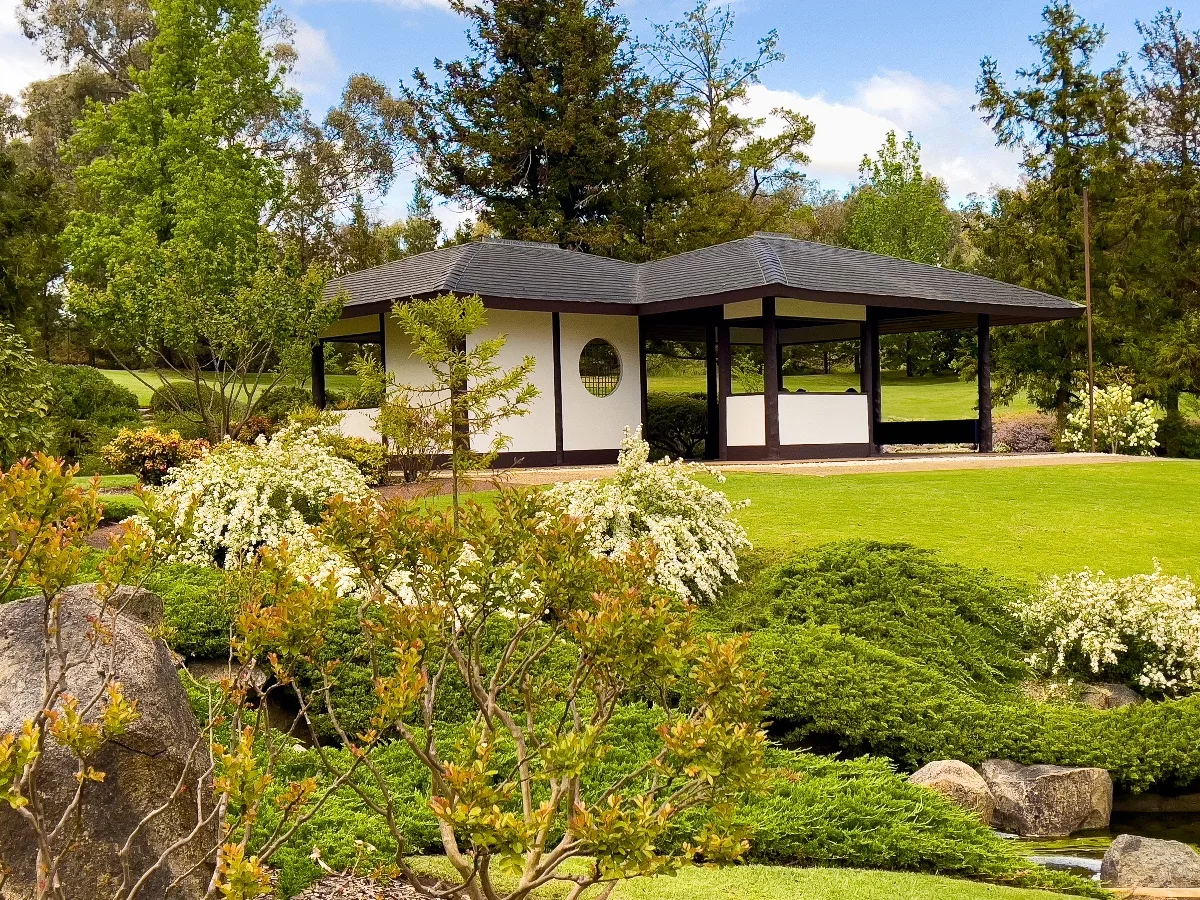
Refueled, we made our way to the Cowra Japanese Garden and Cultural Centre. And what a garden it is. We've seen a few in our time, but this one is something truly special. The meticulously sculpted landscape, the tranquil ponds, and the overall sense of peace are remarkable.
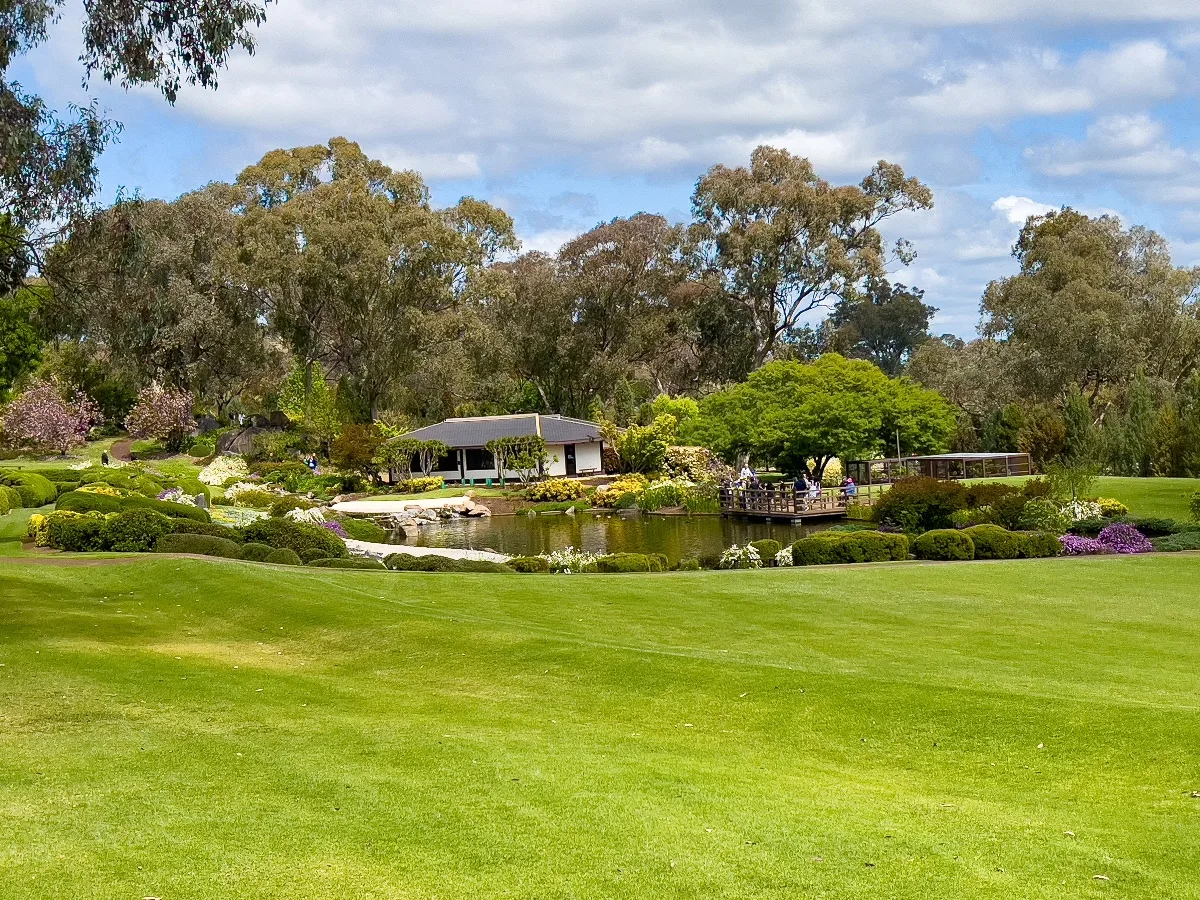
The sheer size of the place is impressive, and one could easily spend hours wandering its winding paths. Lisa, in particular, found a quiet spot to contemplate by the water.
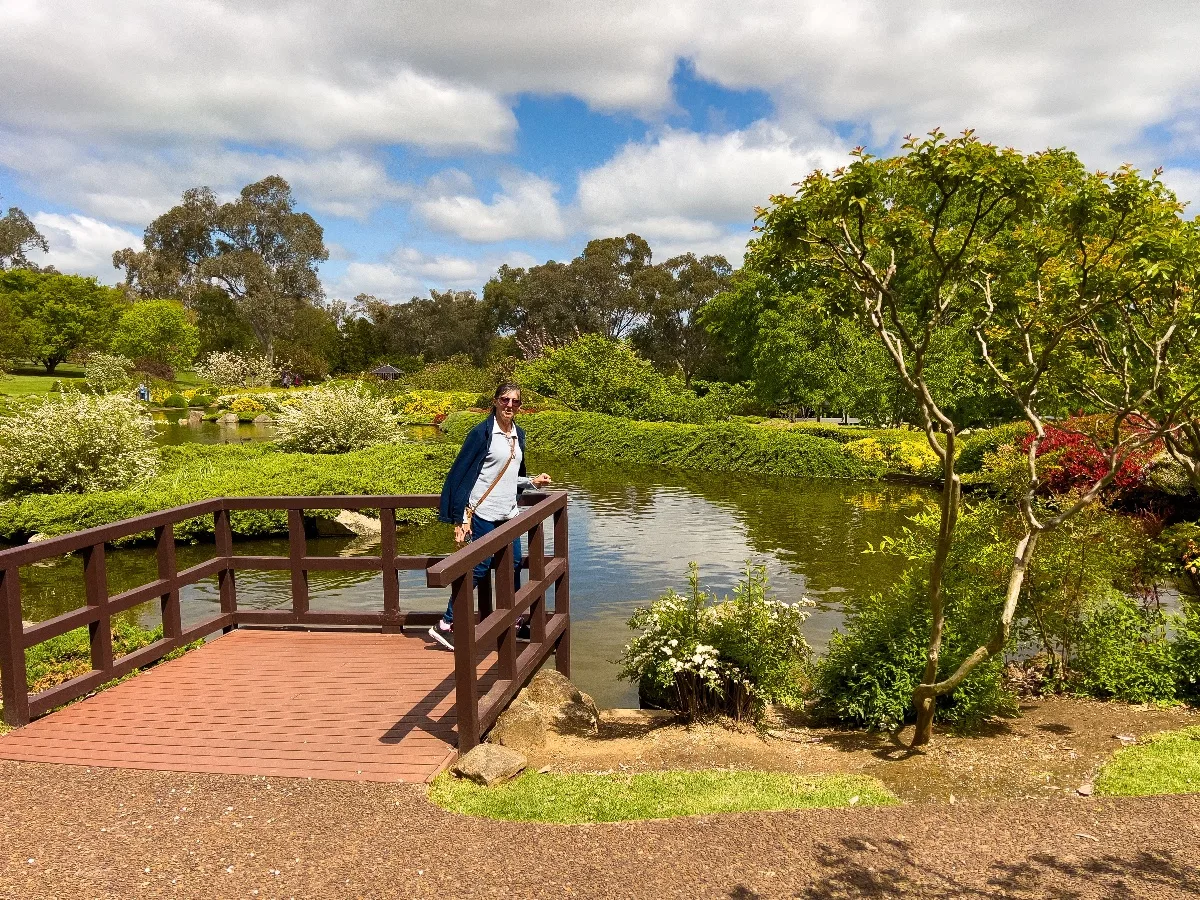
The picturesque bridges, serene ponds, and thoughtfully placed structures created a truly harmonious environment.
One of the highlights inside the cultural centre was a fabulous vase.
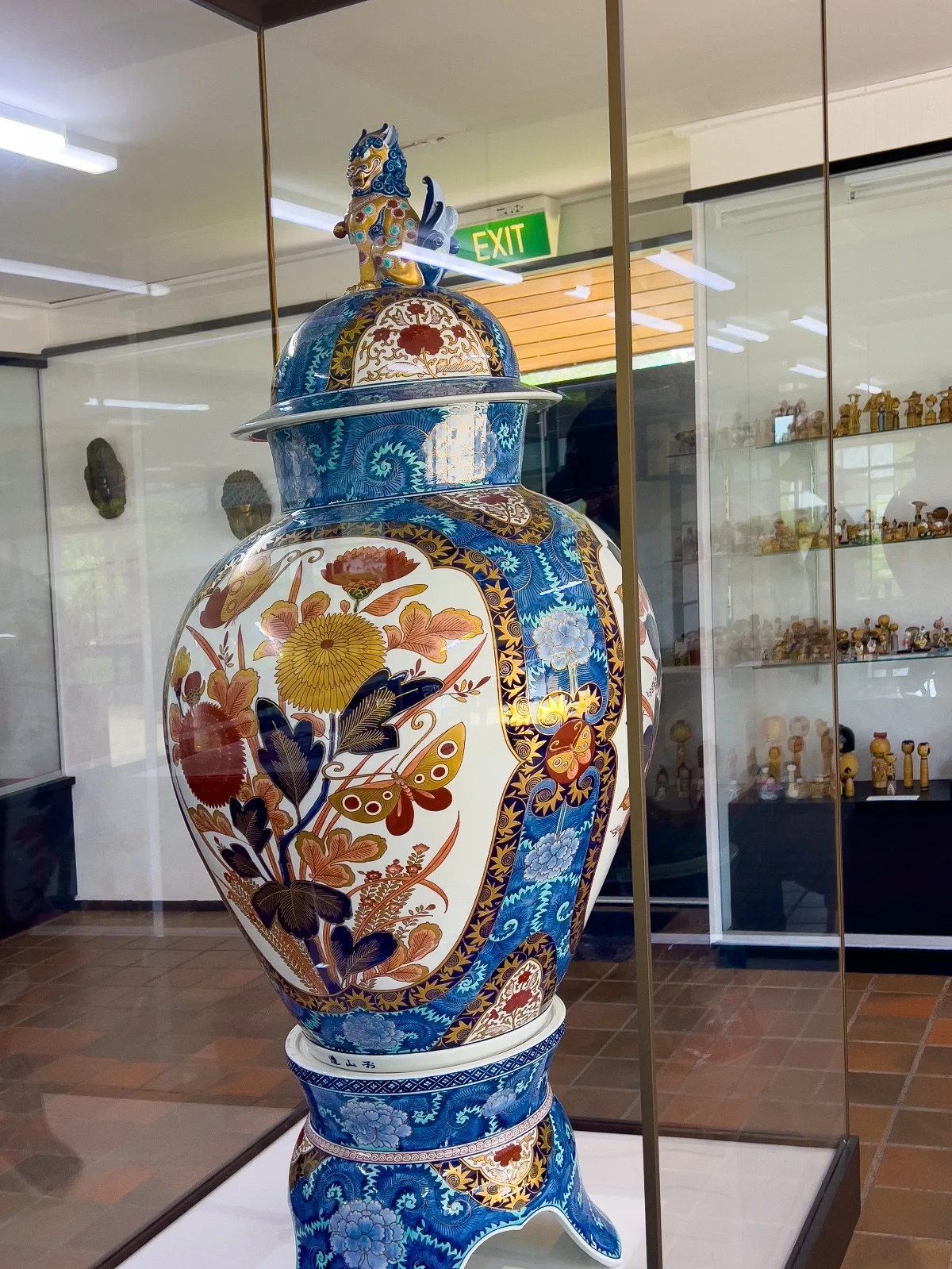
The intricate details and vibrant colors were a sight to behold.
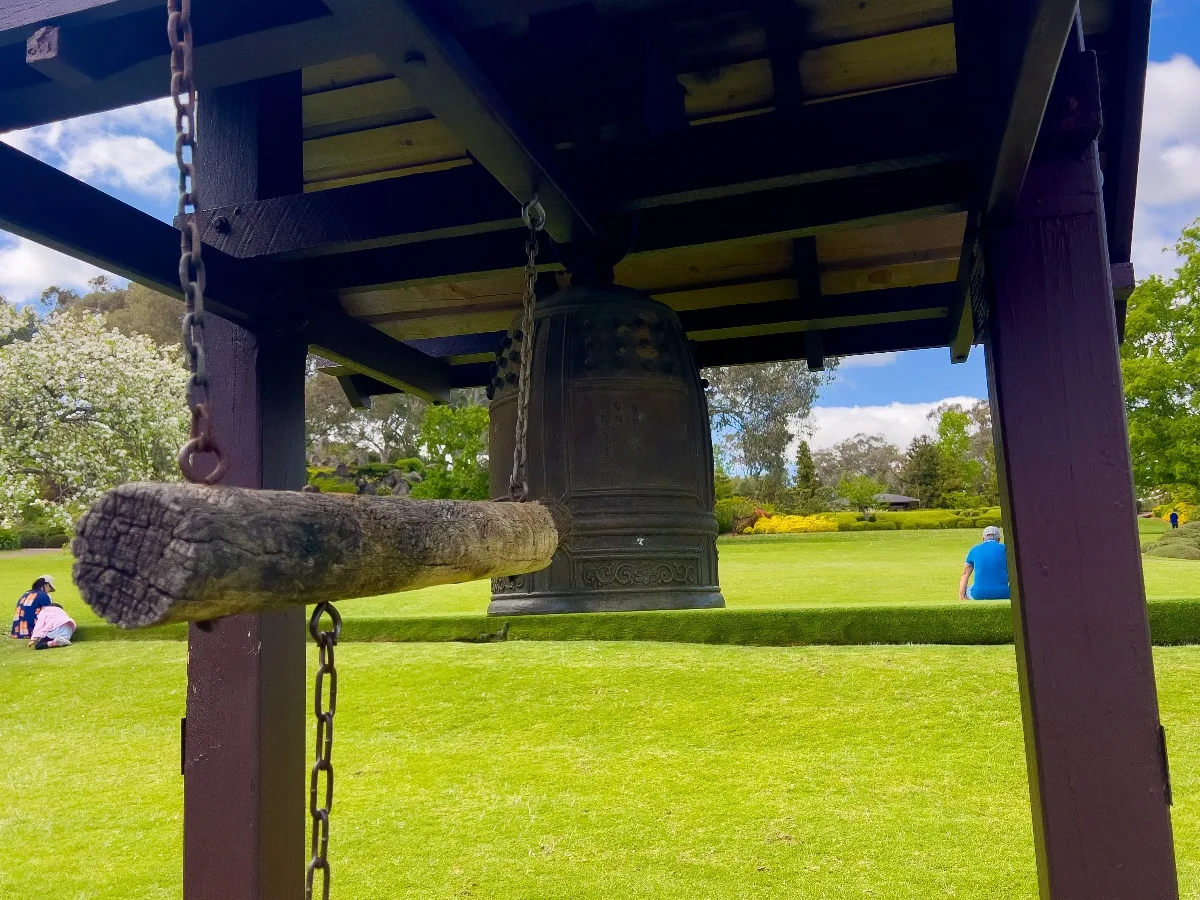
We are not usually drawn to this type of artwork, but the scale and artistry of this piece were undeniable. Then we had to give the bell a ring.
After the serenity of the gardens, we headed to the site of the former Cowra Prisoner of War Camp. It was here, on August 5, 1944, that one of the largest prison escapes of World War II took place, with over 1,000 Japanese prisoners attempting to break free. We are not usually drawn to these sites, but it seemed less important to Lisa to explore this site. Although initially less enthusiastic, Lisa’s interest piqued when she learned that Italian prisoners were also held here, connecting her to her own heritage. We spent time reading the informational displays
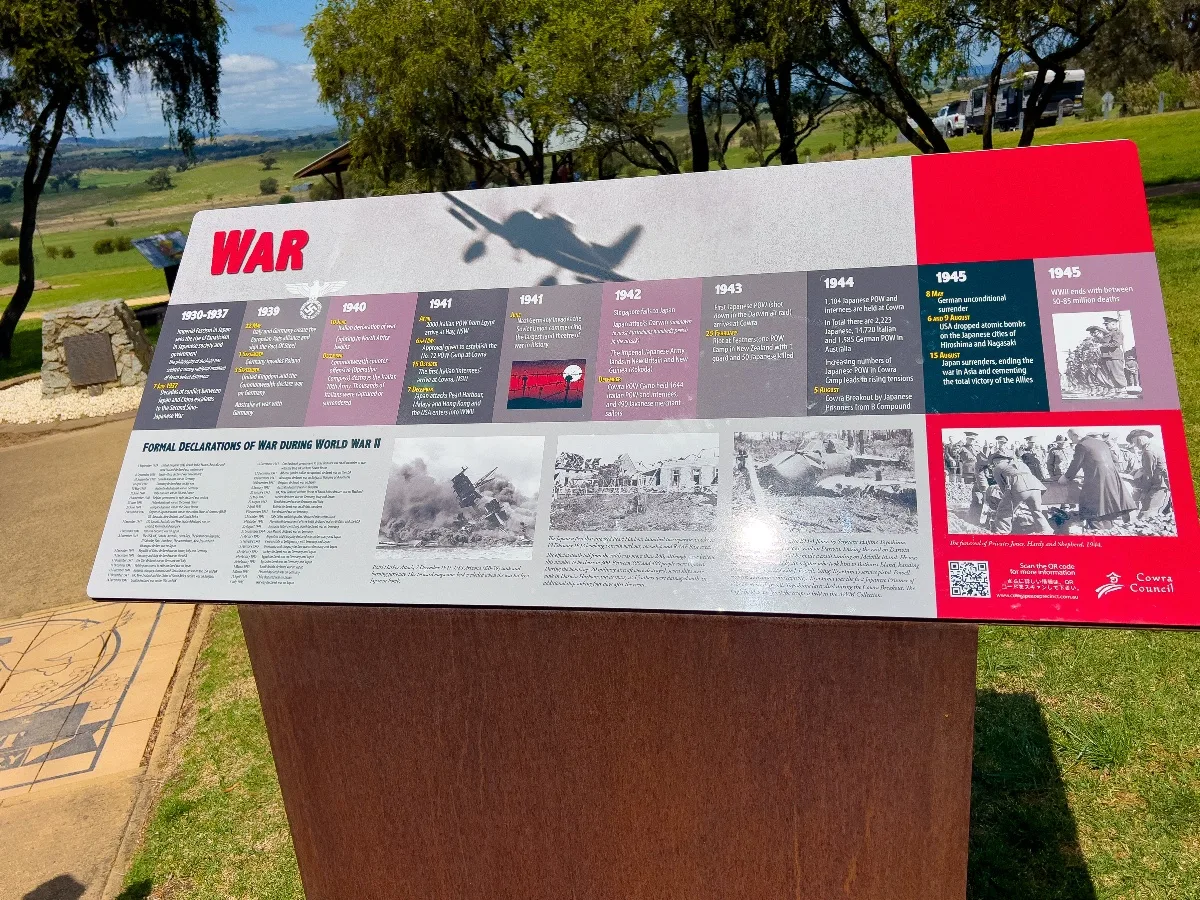
and wandering the now-empty landscape.
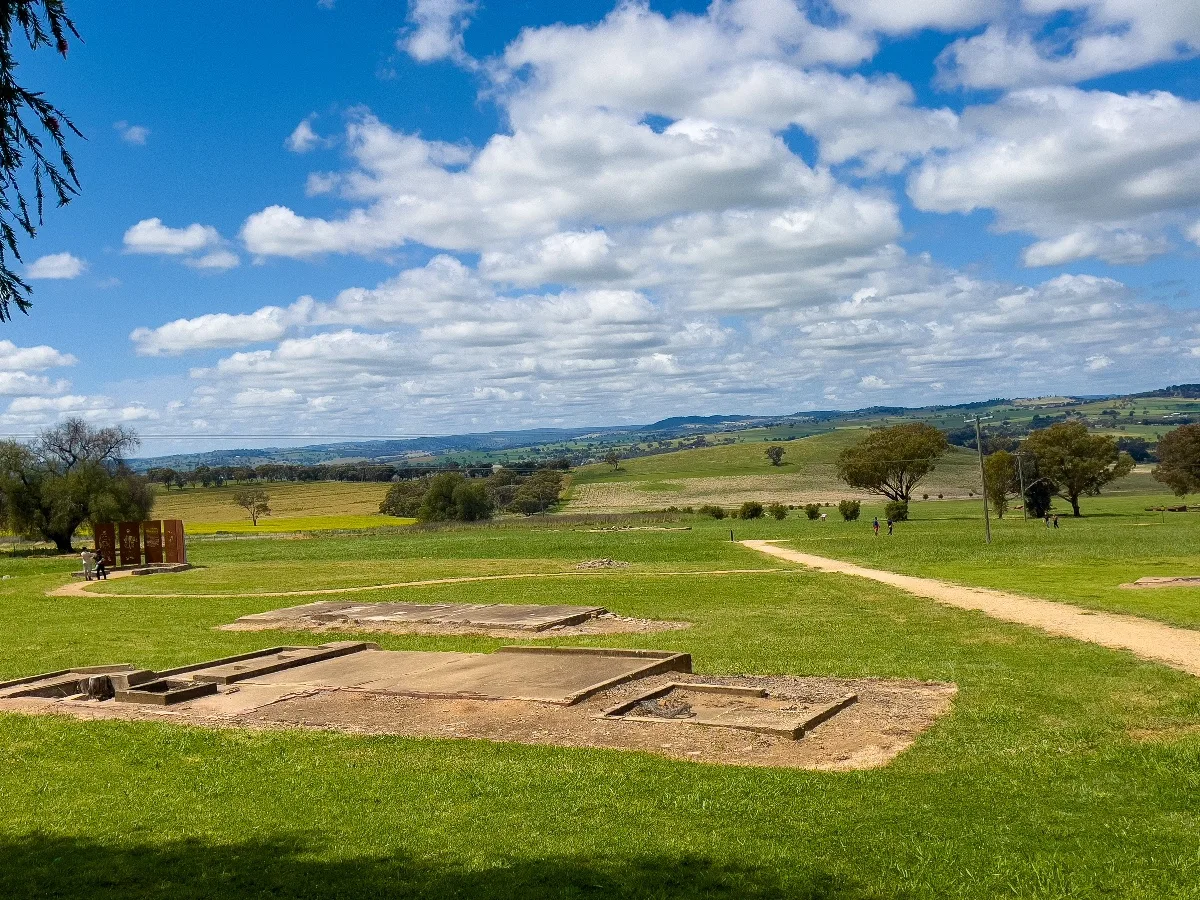
It's a sobering place, a stark reminder of the harsh realities of war and the complex stories it holds.


