We woke to a properly cold morning in Waratah, the kind that makes you think twice about leaving the warmth of the covers. A light breeze was blowing through town, and it had a sharp edge to it that certainly chilled the bones once we stepped outside. We decided the best way to beat the bite in the air was to get the legs moving, so we set off for a stroll around the streets.
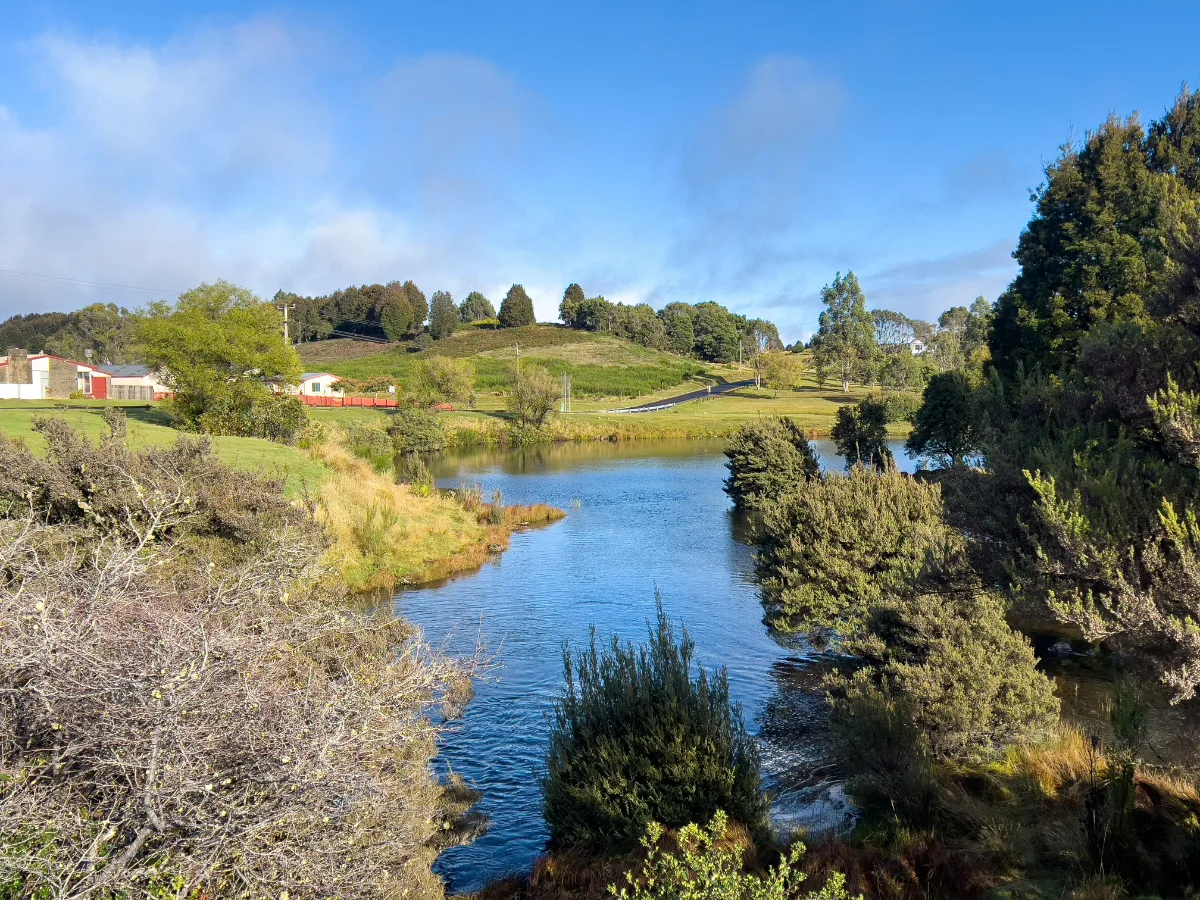
It’s a quiet, small place these days, but you can feel the weight of the history here. It is hard to imagine that back in the late 1800s, this was a booming hub with over 5,000 people. Tin was the big drawcard then, and at its peak, Waratah was one of the most prosperous mining towns in Tasmania. Looking across the water today, the town is far more peaceful than those frantic mining days must have been.
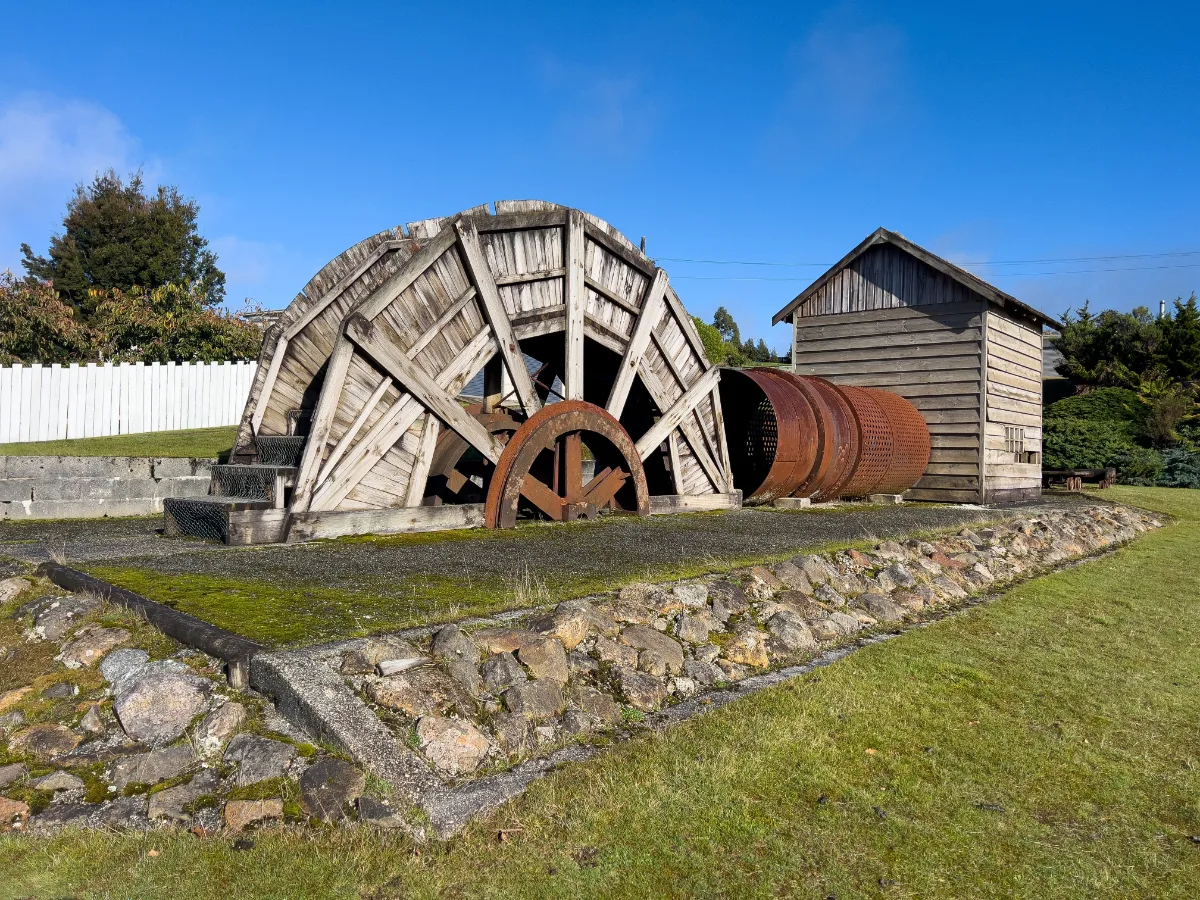
Walking through the town, we spotted the old machinery that keeps that heritage alive. There is a massive wooden water wheel and a historic shed that really capture the scale of the old mining and timber operations. It’s incredible to think of the effort it took to build and run these things in such a rugged part of the world.
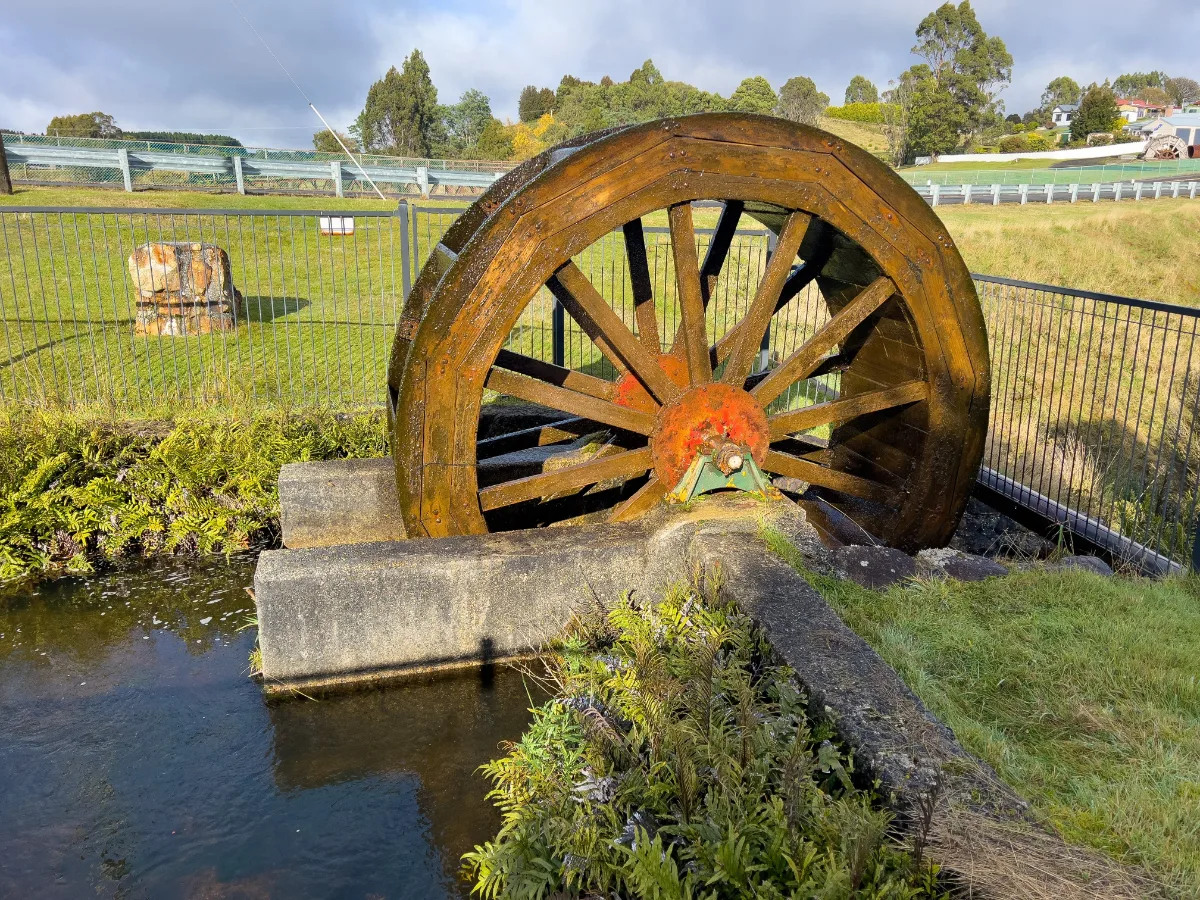
There is another water wheel situated right in the flow, showing exactly how they harnessed the local power to process the minerals.
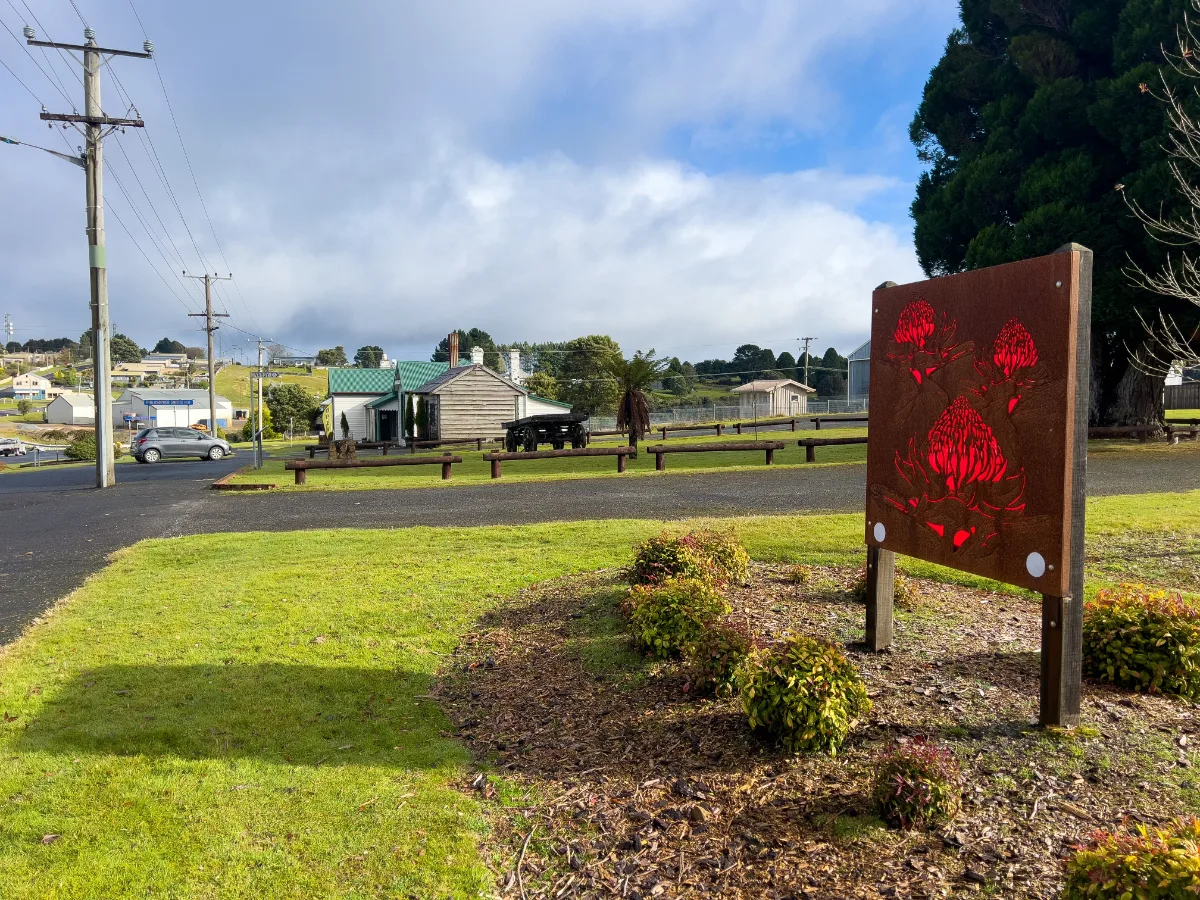
The town has a real character to it, even if the numbers have dwindled to just a few hundred residents over the decades. We spent a bit of time admiring the local artwork, including a striking rust-coloured metal sign in the park that features the local flora.
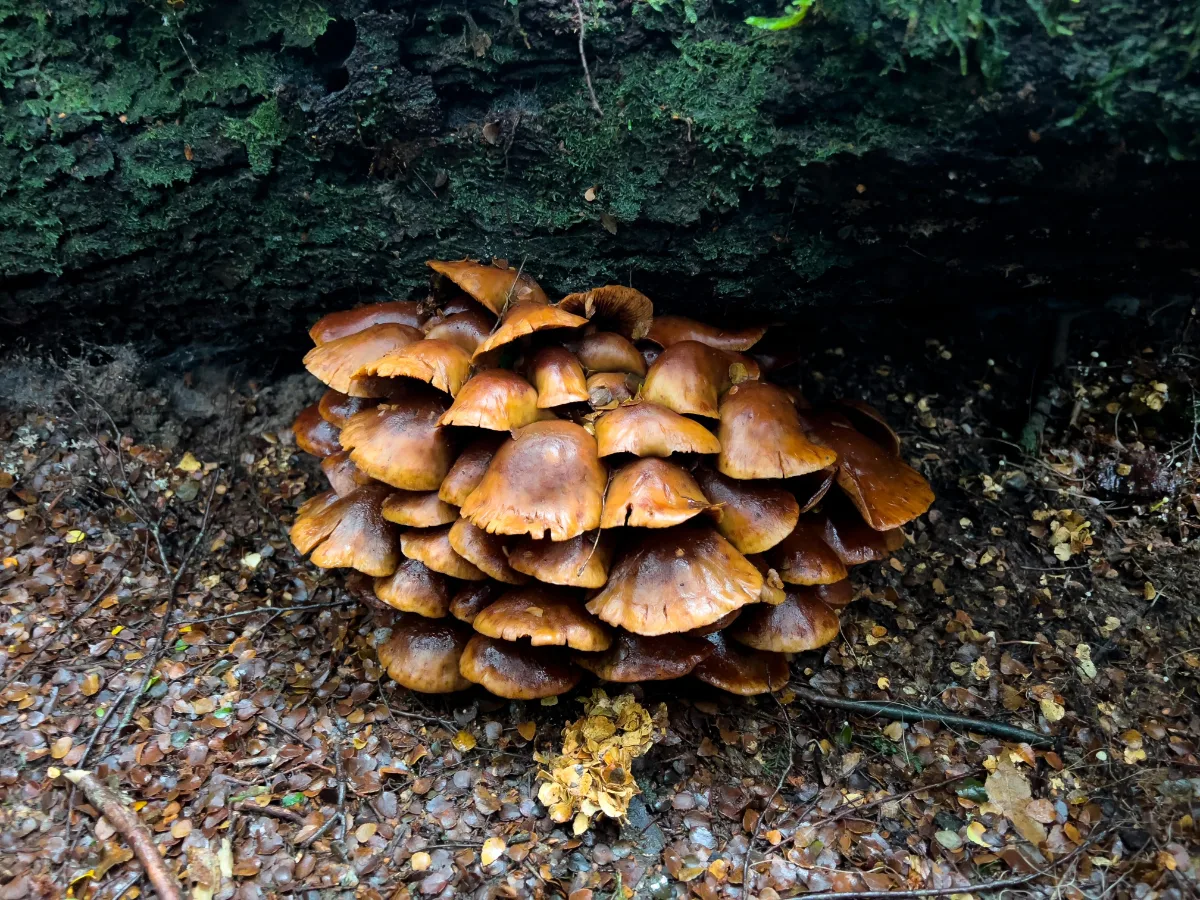
After exploring the streets, we took a short drive out to the start of the track for Philosopher Falls. It was a lovely, gentle walk through some very lush, damp bushland down toward the river. I’ve always enjoyed the silence of the Tasmanian forest; it’s a completely different atmosphere to the scrub back in WA. I spotted a dense cluster of brown mushrooms tucked away under a mossy log, thriving in the damp conditions.
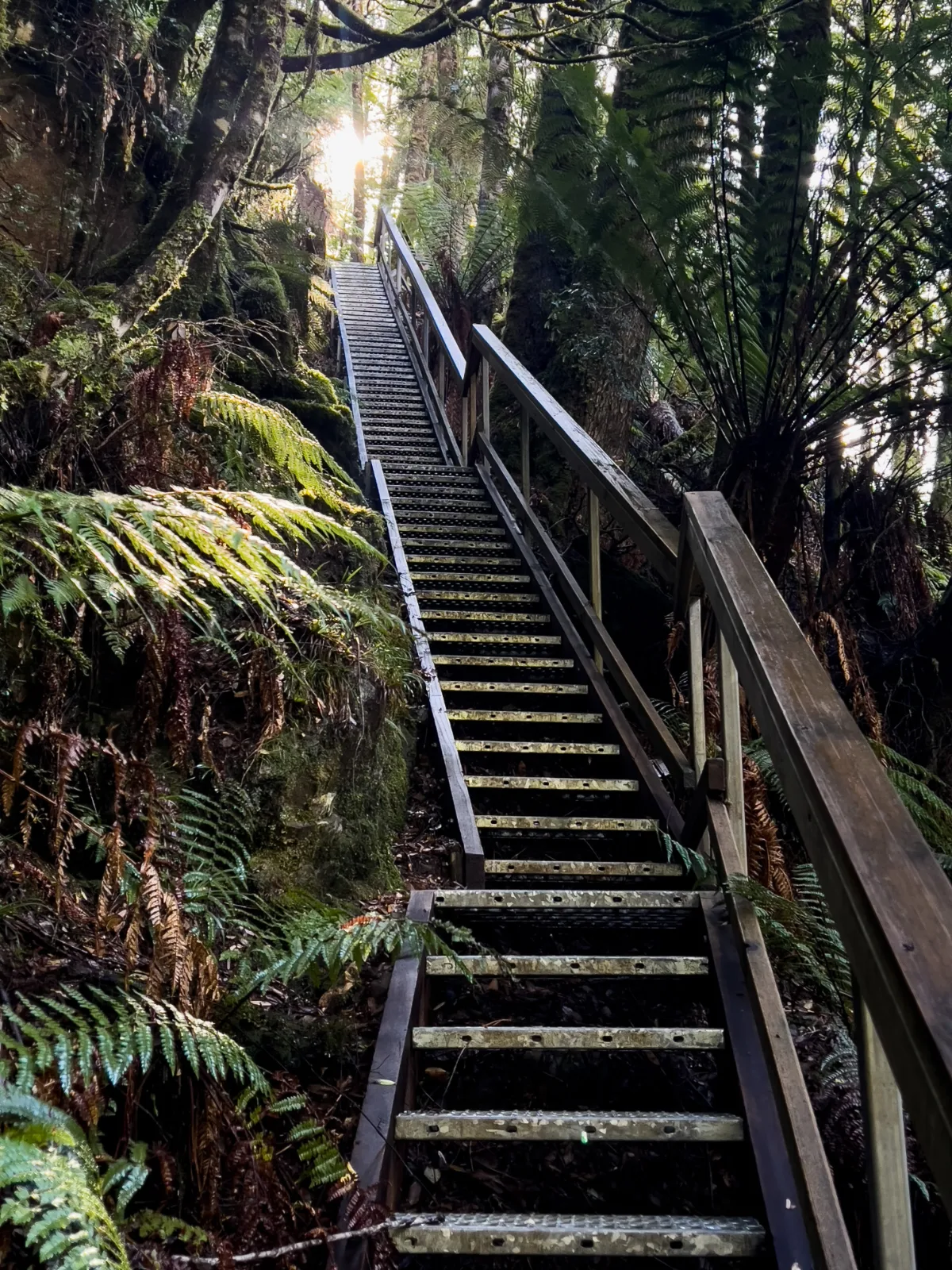
The track eventually leads to a serious set of stairs—220 of them, to be precise. Lisa and I took them at a steady pace. Going down was a breeze, but coming back up certainly got the heart rate climbing! The stairs are built right into the side of the steep, fern-covered slope.
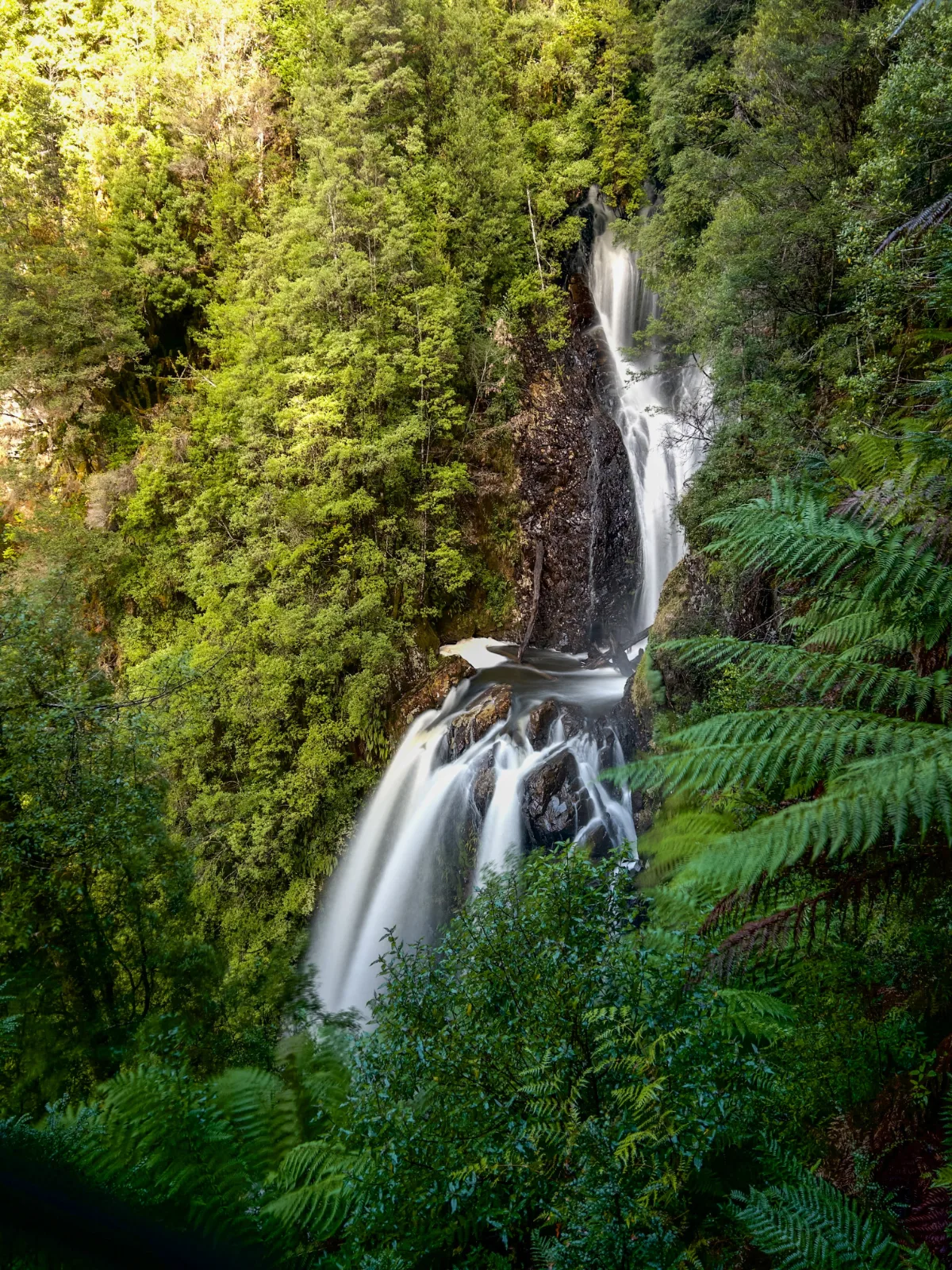
The falls themselves are spectacular, a long white ribbon of water dropping through the thick canopy. A fellow named James Scott named them back in 1842, though the Palawa people had known about this beautiful spot for thousands of years before that. We were both glad we made the effort to head down.
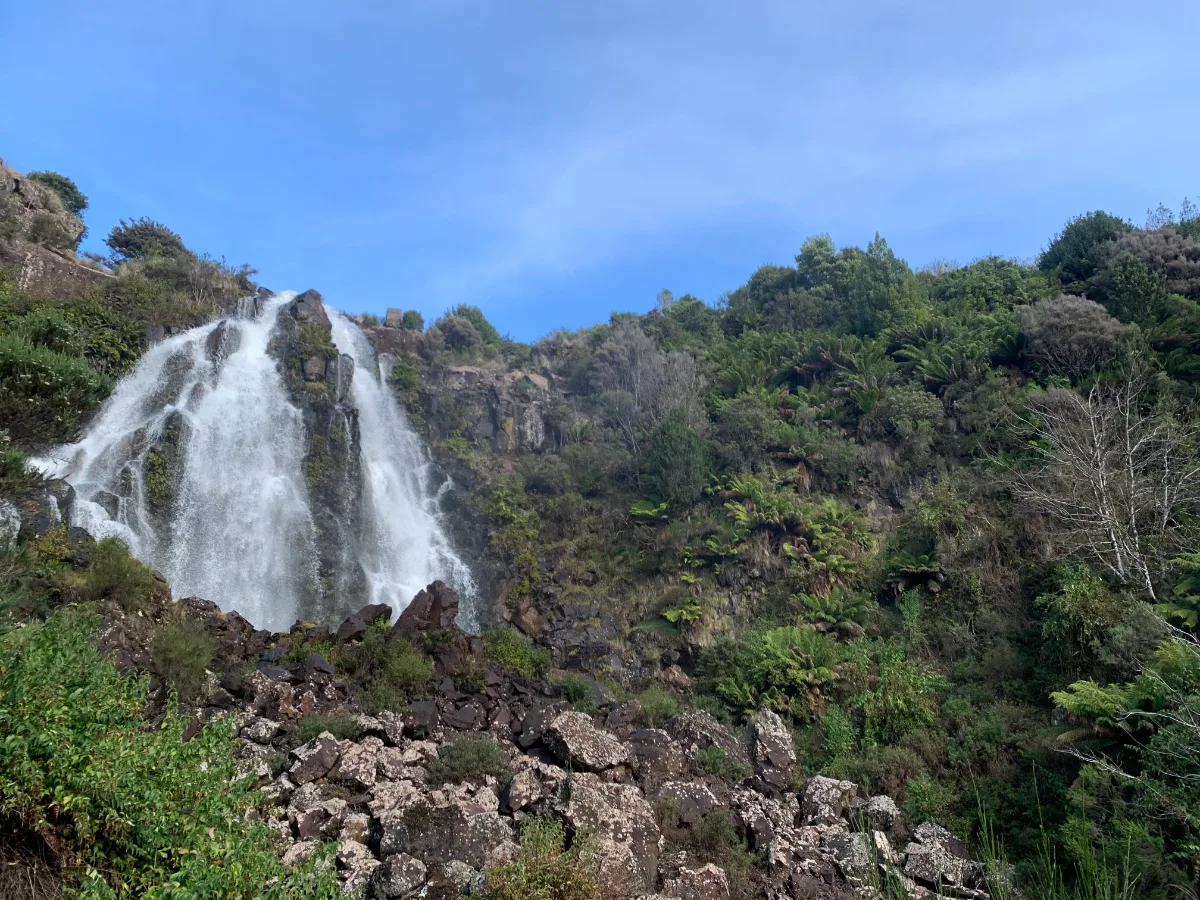
Once we’d conquered the stairs and made it back to the top, we headed back into the centre of town. It’s a unique place where you can find a massive drop like Waratah Falls right near the main buildings. We stood at the lookout and watched the water thunder over the dark rocks. It’s the perfect centerpiece for a town with such a deep connection to the land and its resources.
🔒 Unlock the Full Gallery
Trip Gallery


