Leaving our little seaside camp at Gordon felt like saying goodbye to an old friend, even though we’d only been there a short while. We had that bit of sorrow you get when a place really gets under your skin, but the Huon Valley was calling. We’d driven through Huonville before, so the road was familiar, but those views haven’t lost an ounce of their magic.
Before we crossed the bridge to the western side of the bay, we pulled over at a fresh fish stall. With Good Friday just around the corner, we weren’t about to miss out on a fresh catch. Steve spent a good few minutes chatting with the local bloke about the best way to grill it, while Lisa was already planning the lemon and herb butter.
The drive from Huonville down towards Geeveston is honestly spectacular. We thought the eastern shores were something special, but the western side is even better. It’s the kind of scenery that makes you want to pull over every five minutes just to soak it in.
When we pulled into Geeveston, we were immediately struck by the colour. The autumn leaves are in full swing, turning the streets into a corridor of gold and yellow.
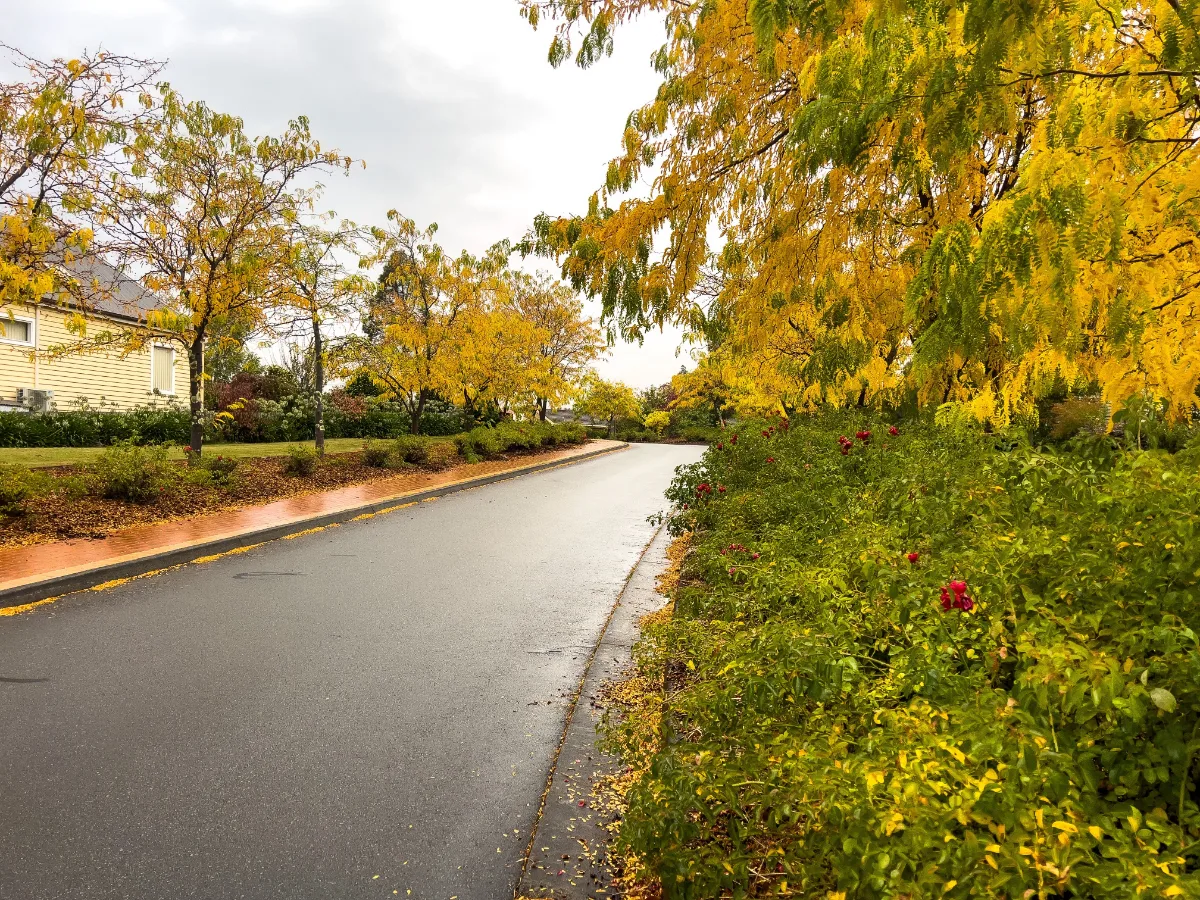
It’s such a quaint, tidy little town. We went for a wander to the information centre and then found ourselves standing in front of "The Wall of Lollies."
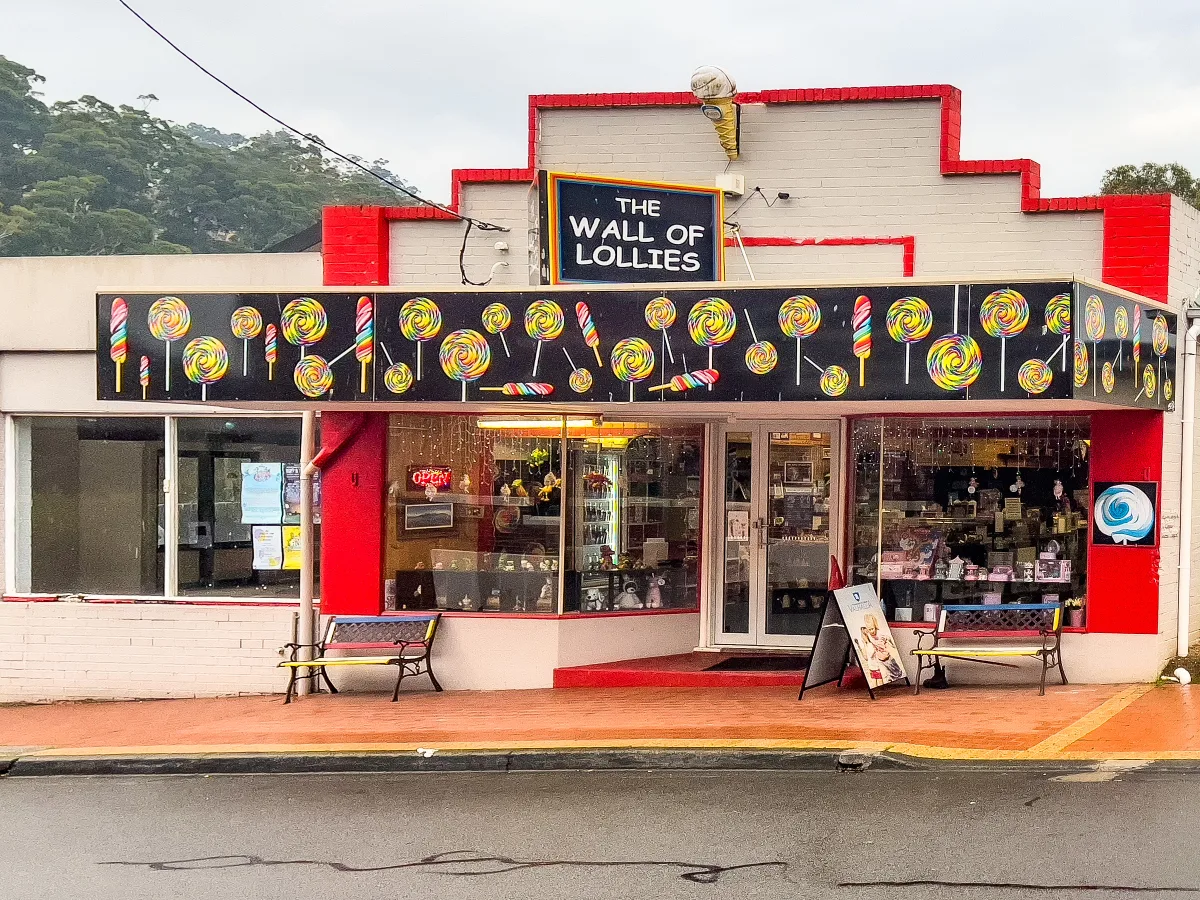
The grandkids would have absolutely lost their minds in there—the shopfront is covered in these bright, hand-painted lollipops. We might have picked up a few treats "for the road," though they didn't last much longer than the walk back to the car.
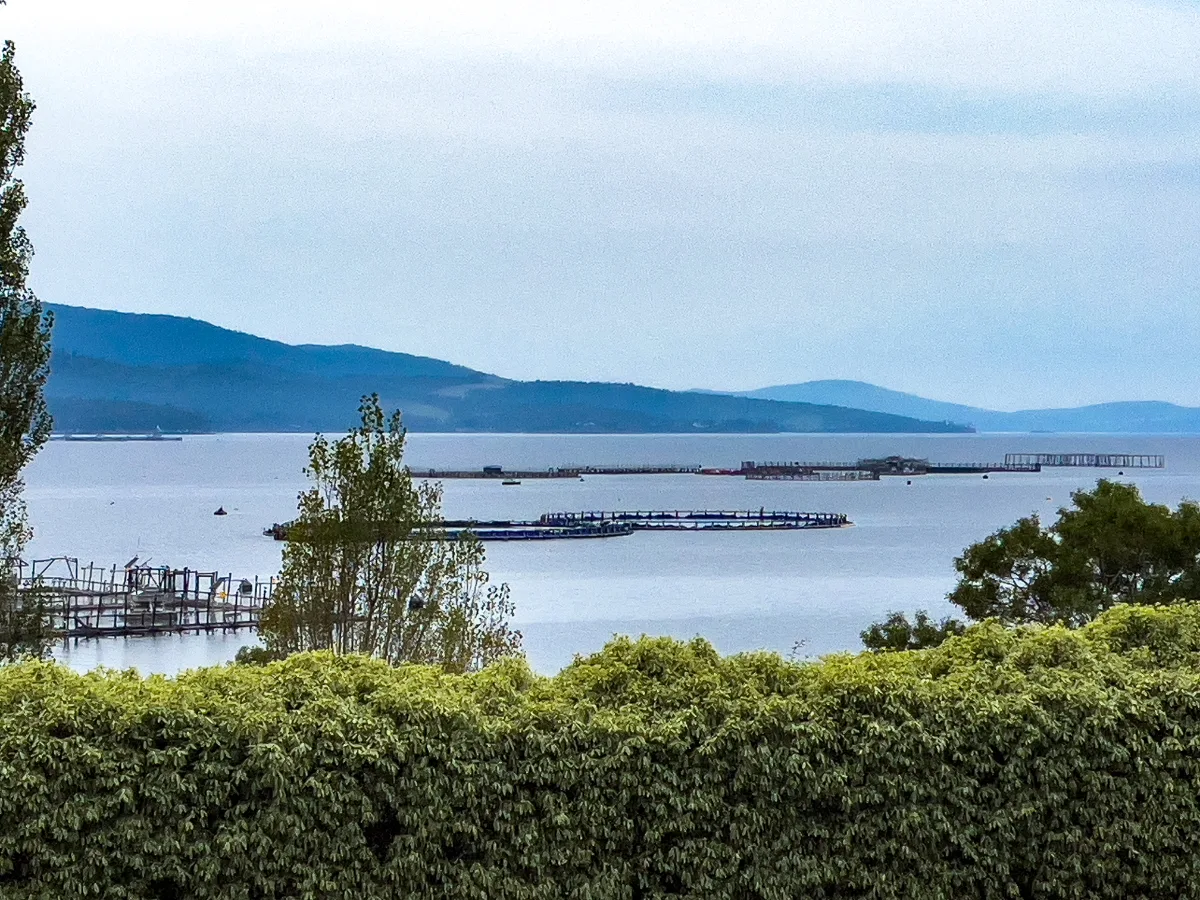
We continued our exploration down to Surveyors Bay. The water was like a mirror, and you could see the massive circular salmon pens floating out in the middle of the bay. It’s incredible to see the scale of the fish farms here, tucked right up against those deep blue Tasmanian hills.
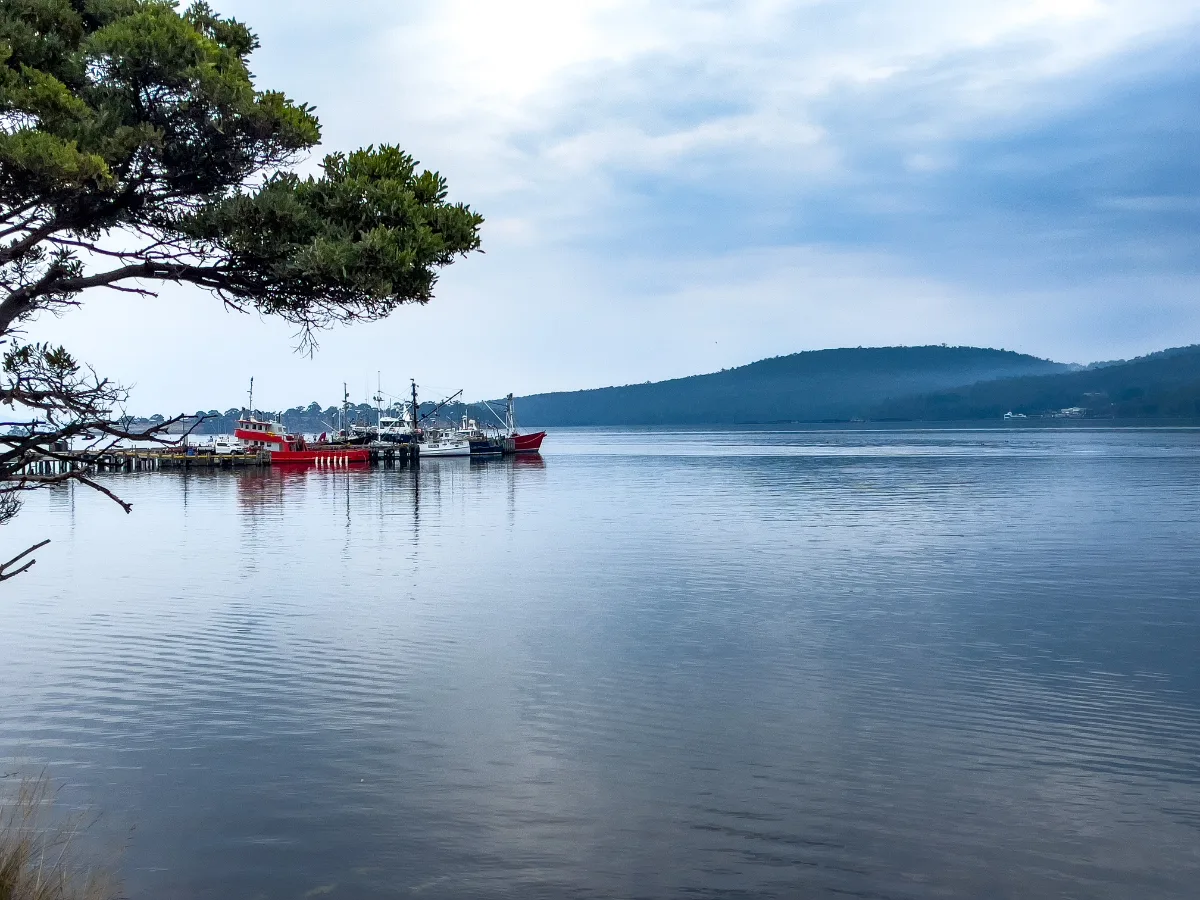
Further south, we rolled into Dover. It has that proper working-harbour feel. The red and white fishing boats were tied up tight at the wharf, reflected perfectly in the still, glassy water. It’s the kind of place where you can just feel the pace of life slow down to a crawl.
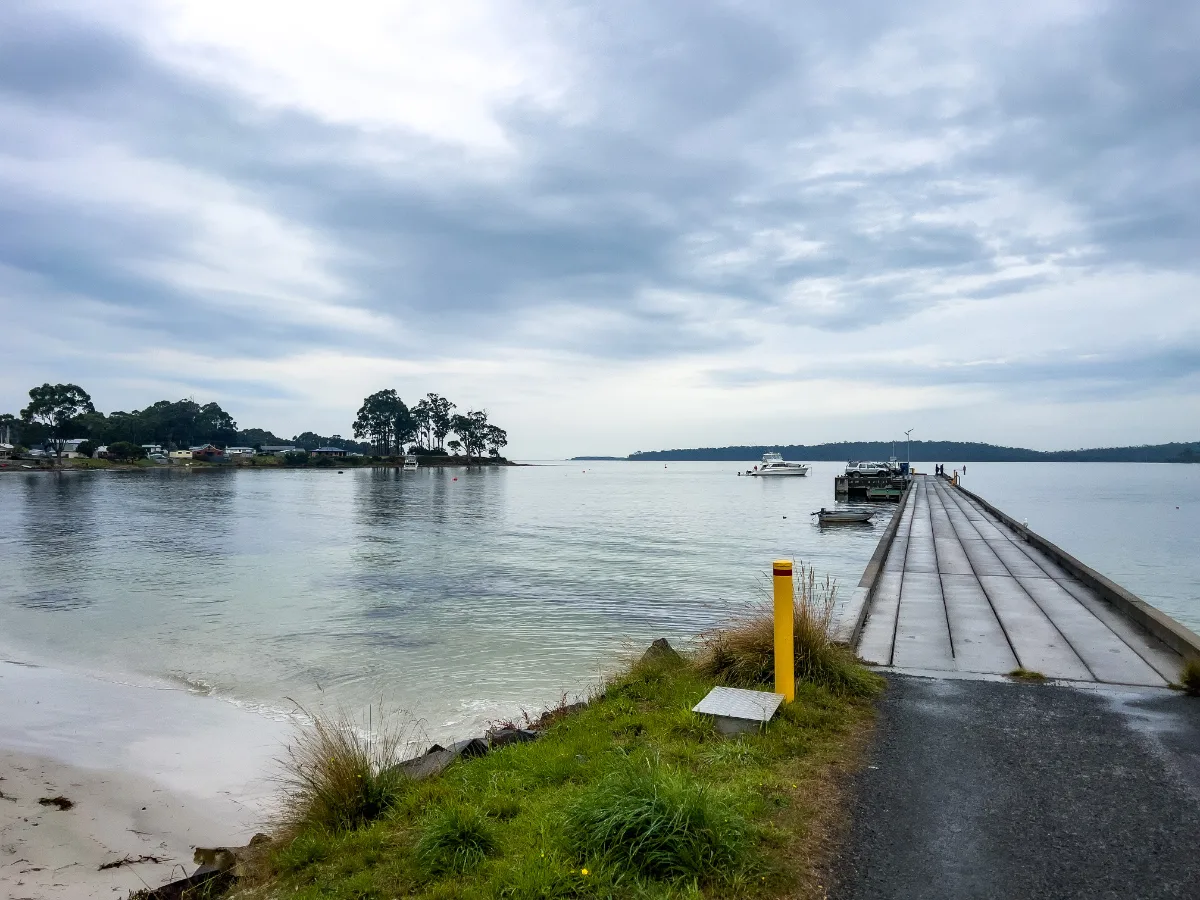
We kept pushing south to Southport, checking out the boat ramp and the long concrete jetty that stretches out into the channel. It was a moody, overcast afternoon, which only made the turquoise tint of the water pop even more against the grey sky.
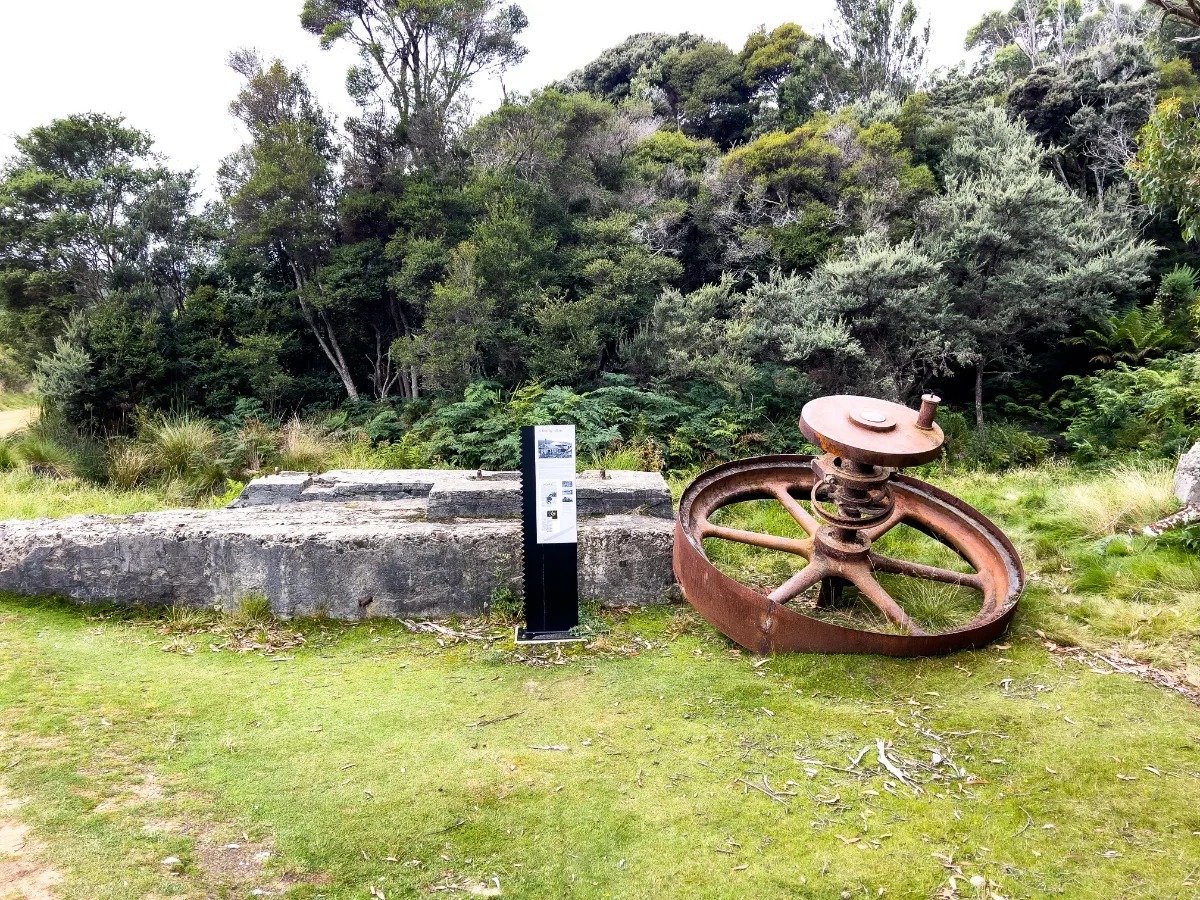
Eventually, we reached the end of the road at Cockle Creek. This is as far south as you can drive in Australia, and it feels like the edge of the world in the best possible way. We spent some time poking around the old ruins. There are these heavy concrete foundations and a massive, rusted iron winch wheel sitting in the grass—remnants of the tough old days of whaling and timber.
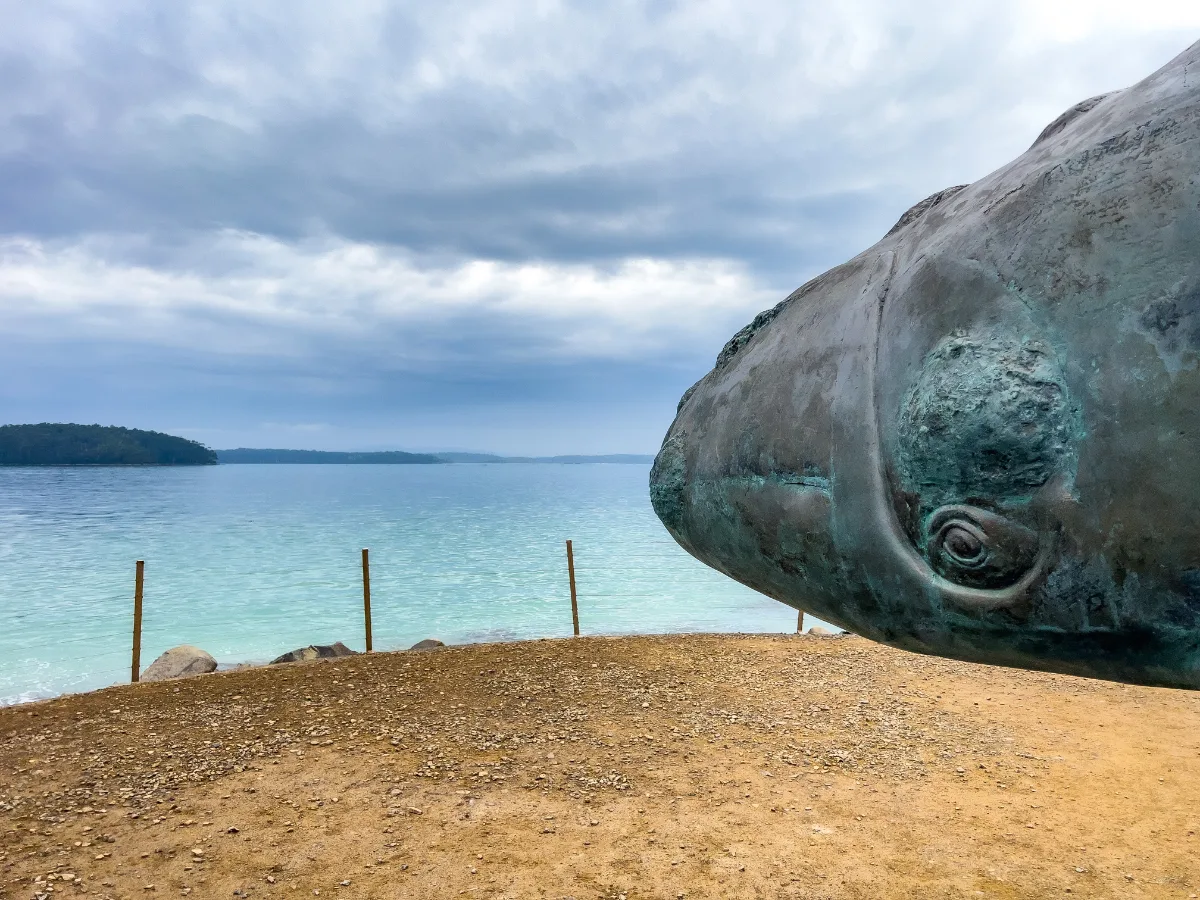
Right nearby, there’s a magnificent bronze sculpture of a whale’s head emerging from the ground, looking straight out over the bay. Standing there, looking into the whale's eye with that pristine, pale blue water behind it, you really get a sense of the history of this coastline. It was the perfect spot to stop, take a breath, and realise just how far we’ve come.