Just when you think Tasmania is growing ho-hum, it turns it on again. We set out from camp today under a heavy, overcast sky, the wind whipping up and a slight chance of rain threatening to dampen the mood. But as we headed south through the rugged beauty of the Huon Valley, the clouds broke just in time for us to hit Randalls Bay.
The transformation was immediate. The wind died down to a whisper, and we were presented with a picture-perfect view of the water. Rolling green pastures dotted with sheep slope down toward the deep blue of the bay, framed by the dark, forested ridges of the Tasmanian wilderness. It is the kind of scenery that makes you pull the car over just to breathe it in.
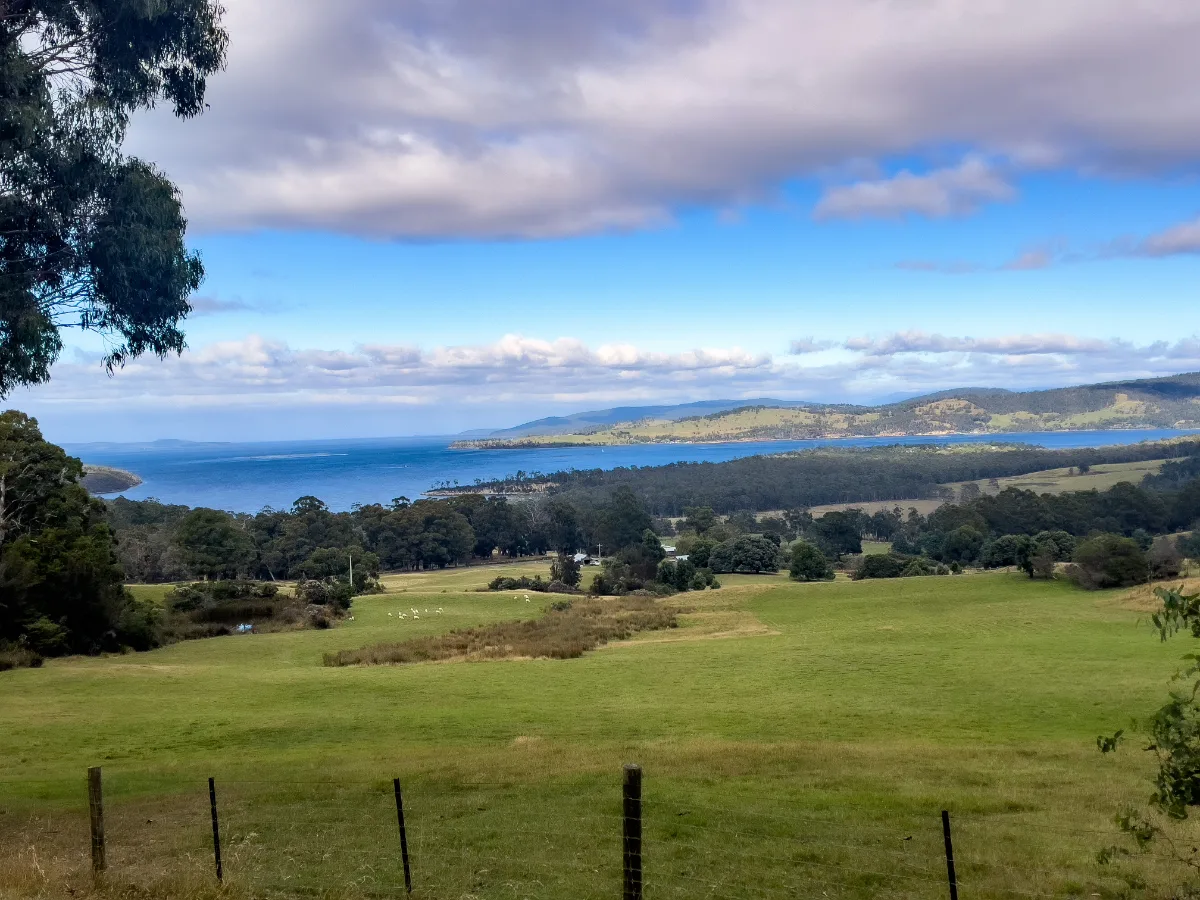
Only a short distance away, we found the oddly named Eggs and Bacon Bay. Don't let the name fool you into thinking of a roadside diner; it is a stunning stretch of coastline that we fell in love with the moment we arrived. The southern reaches of this island have a way of getting under your skin, offering a pace of life that feels both ancient and perfectly preserved.
Moving inland, we arrived at Cygnet. This town sits on land originally inhabited by the Mouheneener people, and you can feel that deep history in the soil. European farmers arrived in the 1820s, and by the 1850s, Cygnet was an established hub for apple orchards, berry farms, and a booming shipbuilding industry. Walking through the streets today, the heritage is palpable.
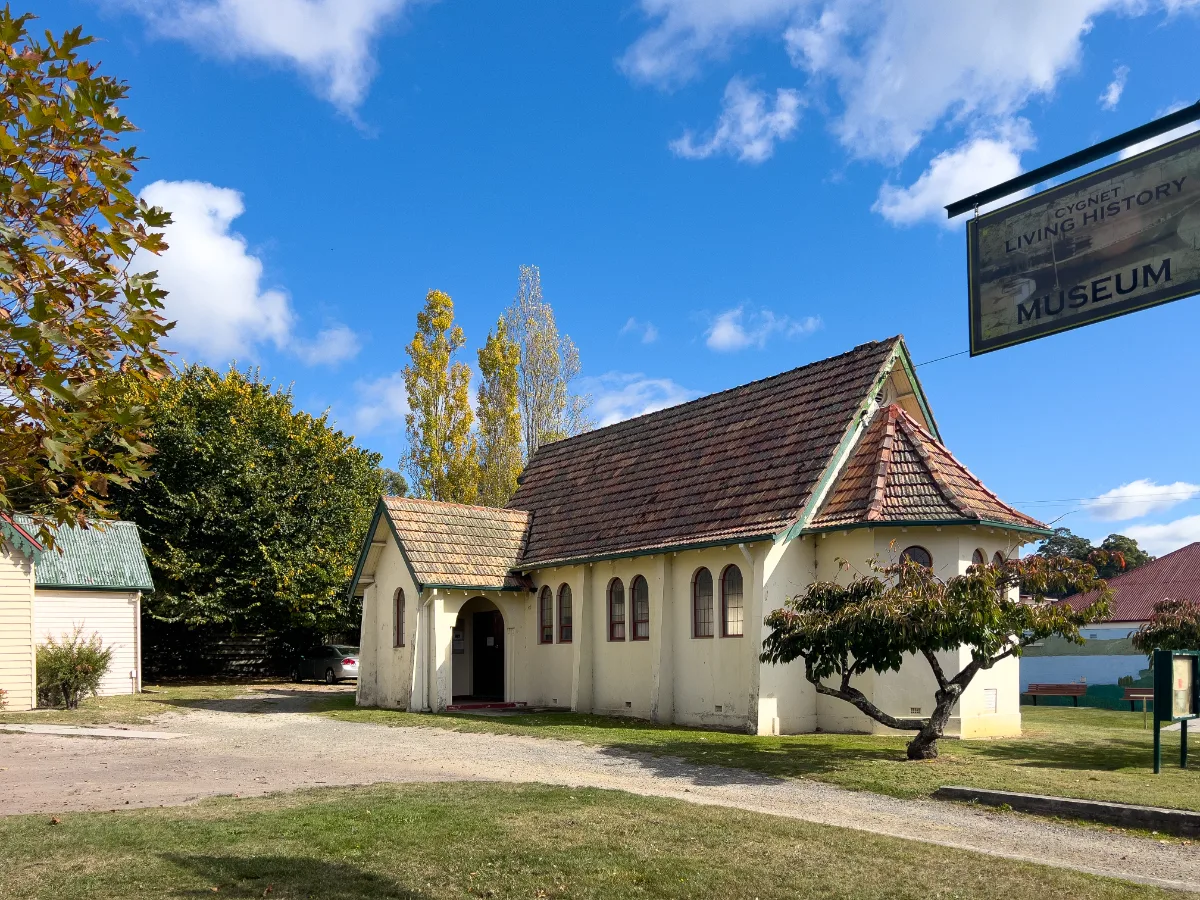
While the mid-20th century saw a bit of a decline as people moved toward the big cities, Cygnet is currently in the middle of a massive resurgence. It is a tourist town, certainly, but it hasn't lost its soul. The main street is a vibrant mix of historic architecture and a modern, creative energy.
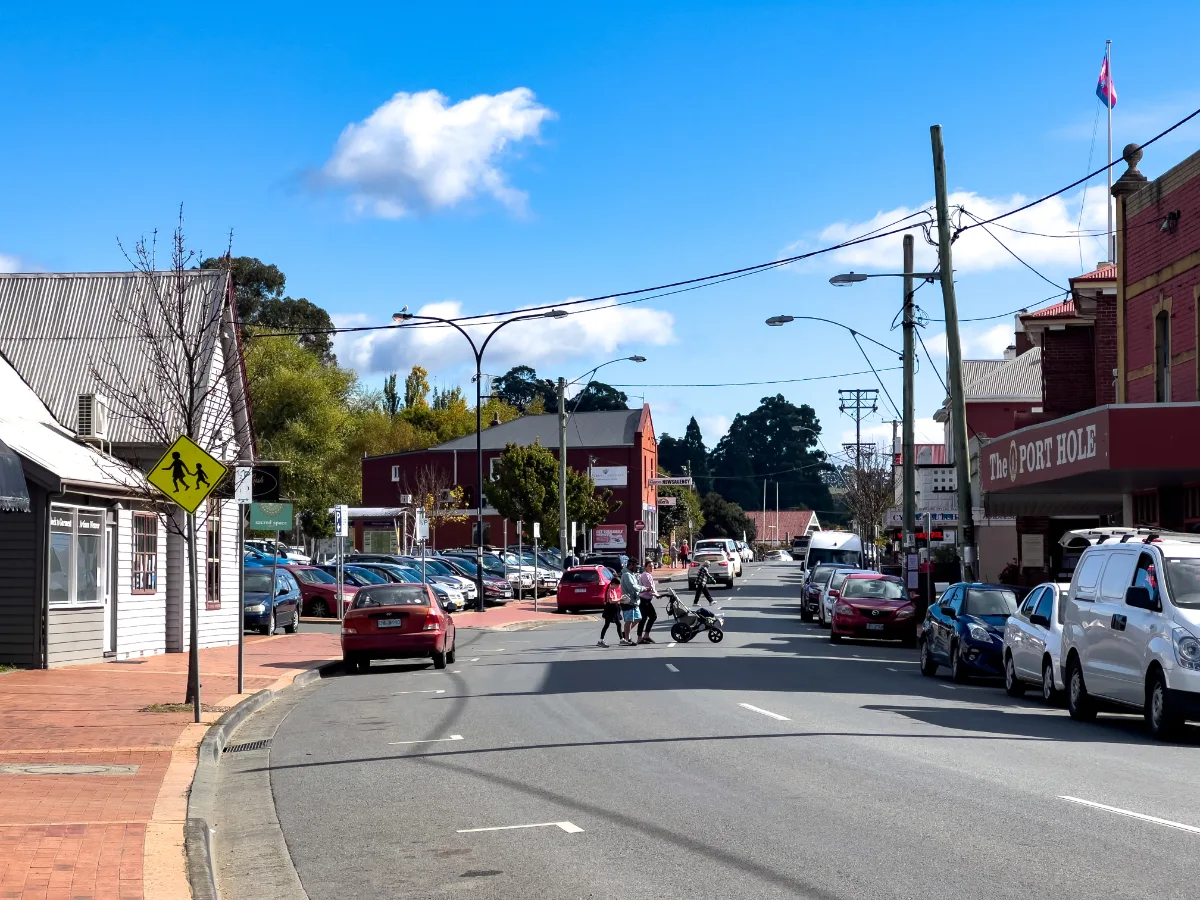
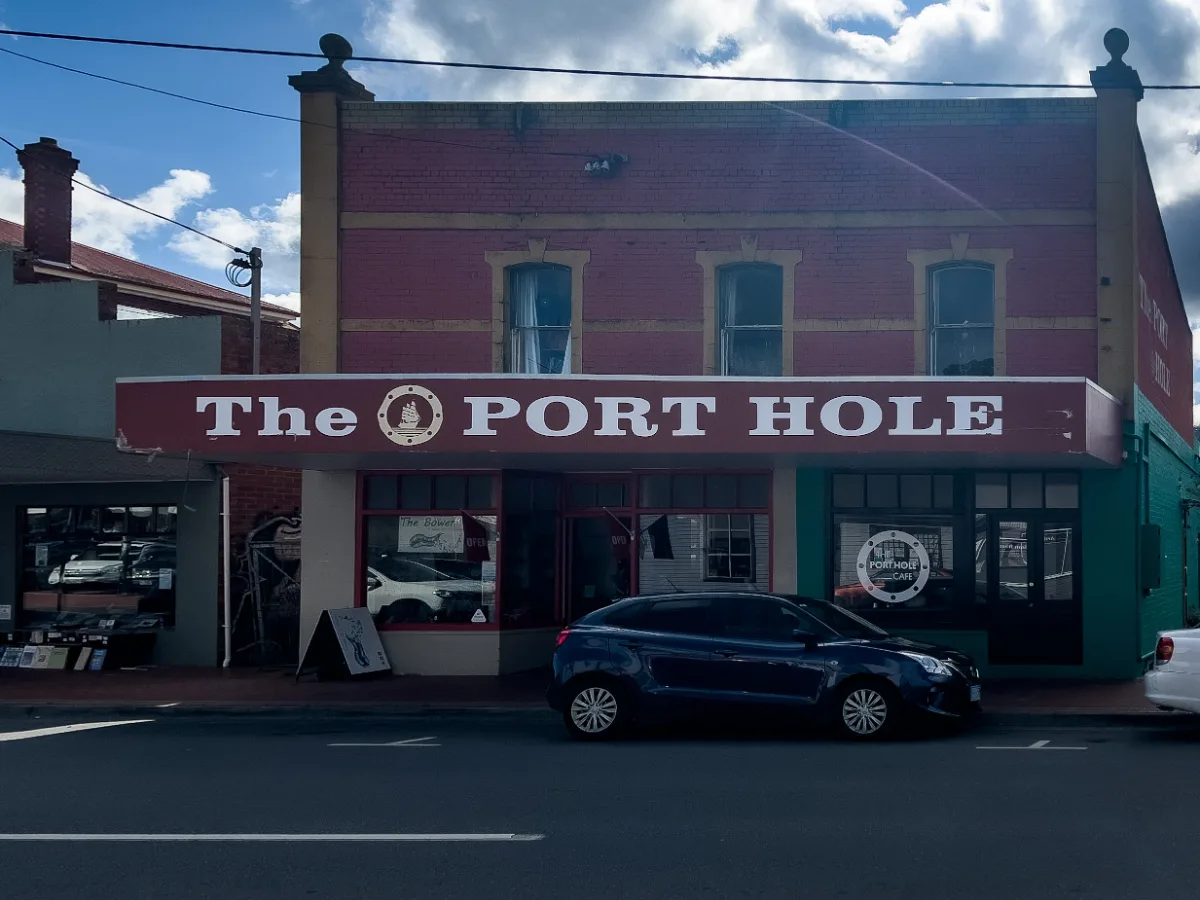
We found ourselves very much attracted to this style of life. There is a charm here that you don’t find in the larger hubs—a sense of community anchored by places like the local shops and pubs. We spent some time admiring the "The Port Hole" building, a striking red-brick structure that anchors the streetscape and serves as a reminder of the town's enduring character.
The final stop on our drive was Margate, specifically for a visit to the famous Margate Train. This isn't just a gimmick; it’s a full "Eat, Drink, Shop" experience housed in a repurposed steam-era train. For Lisa and me, it sparked a bit of nostalgia. One of our first and fondest memories when we arrived in Perth years ago was having pancakes at the Carillon Arcade, and we were eager to see how the Tasmanian version stacked up.
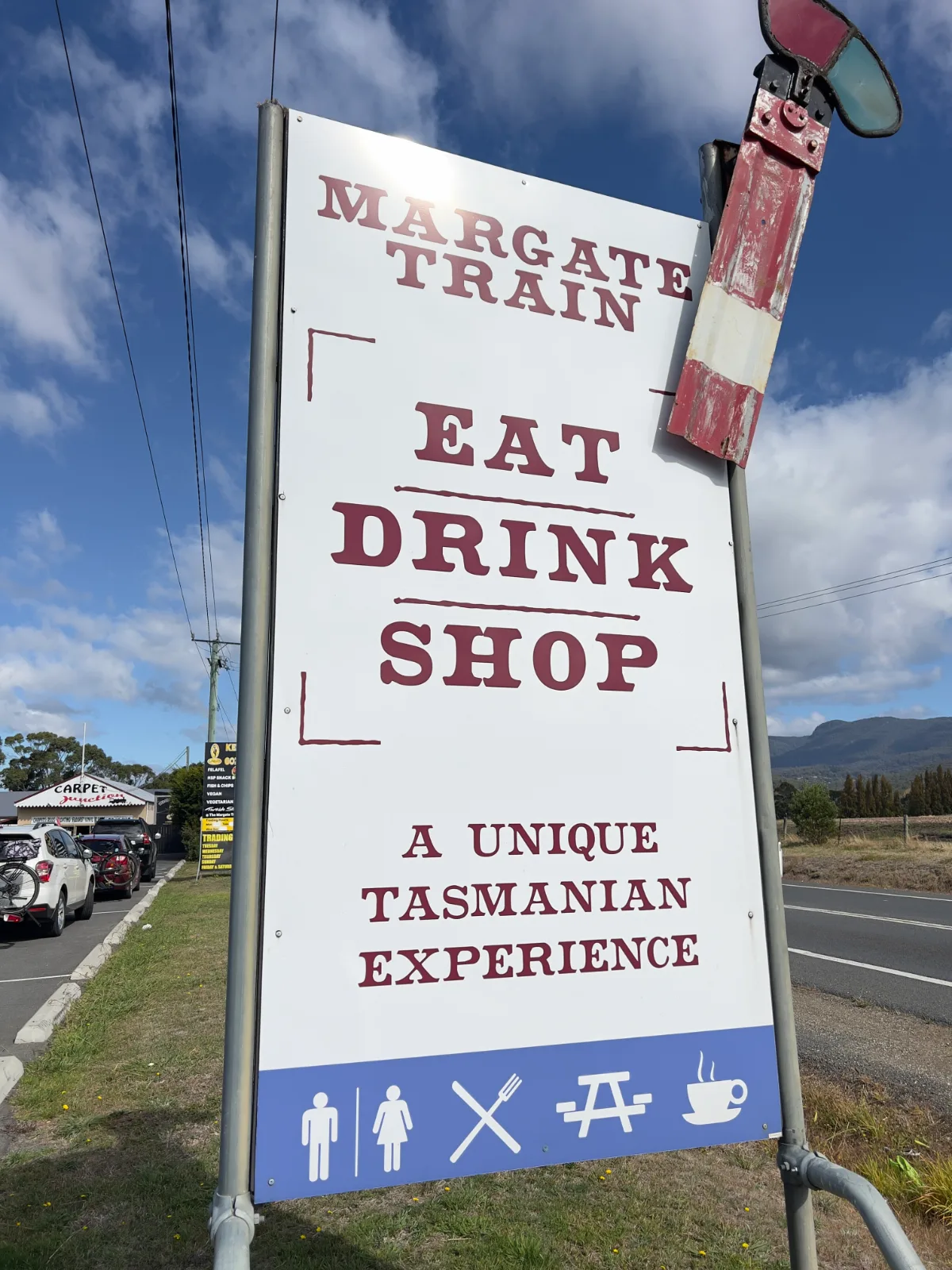
The history of this train is fascinating. The owner explained that the original engine was actually a diesel motor. When the tourist precinct was first established, they replaced the diesel engine with the current steam-style locomotive to better fit the "old-world" impression visitors expect.
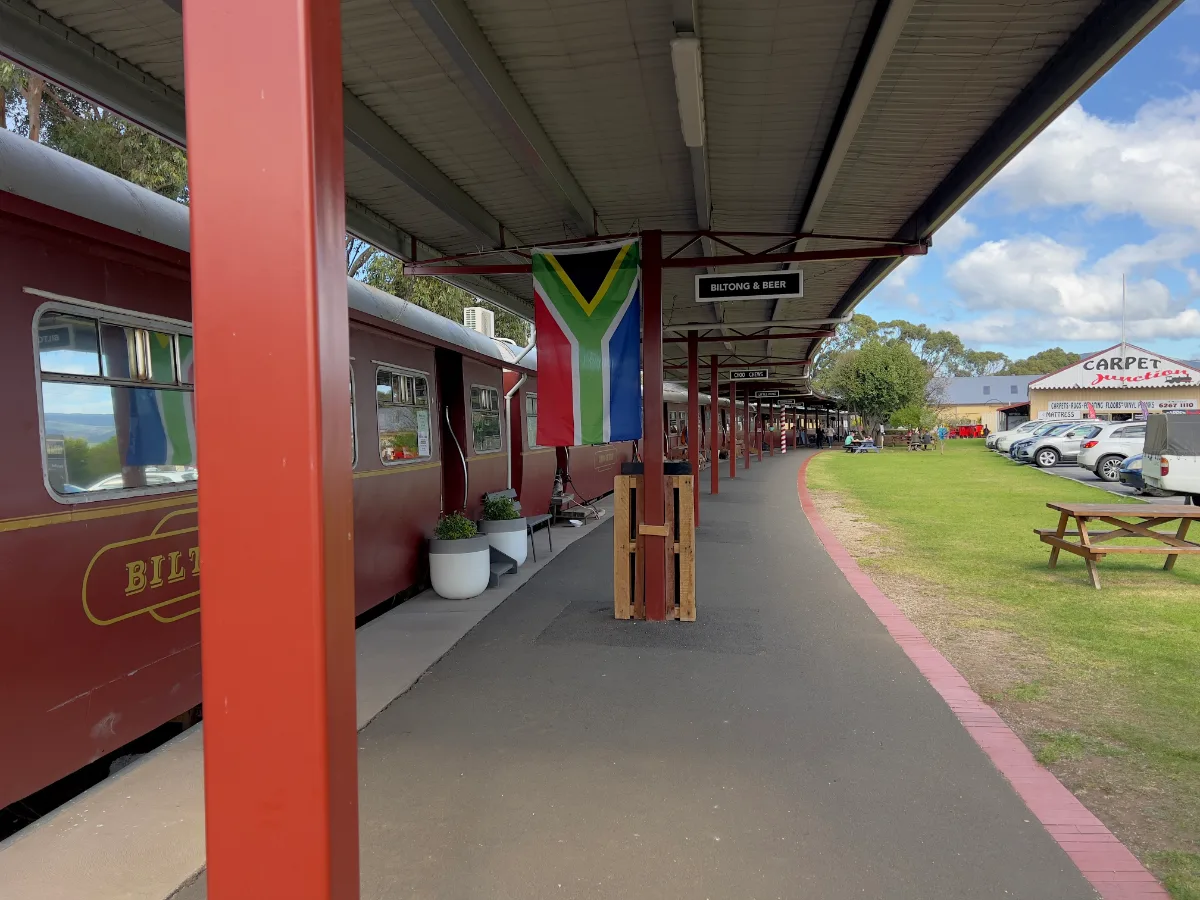
There is also a bit of local "color" to the history here. The pancake shop was originally located at the far end of the train, and the space where the shop sits now used to be a brothel. As the town grew and the demand for those famous pancakes skyrocketed, the brothel was closed down to make room for more diners. The current owners go to great lengths to keep everything authentic, though they admitted that finding original parts and materials for the carriages is getting harder every year.
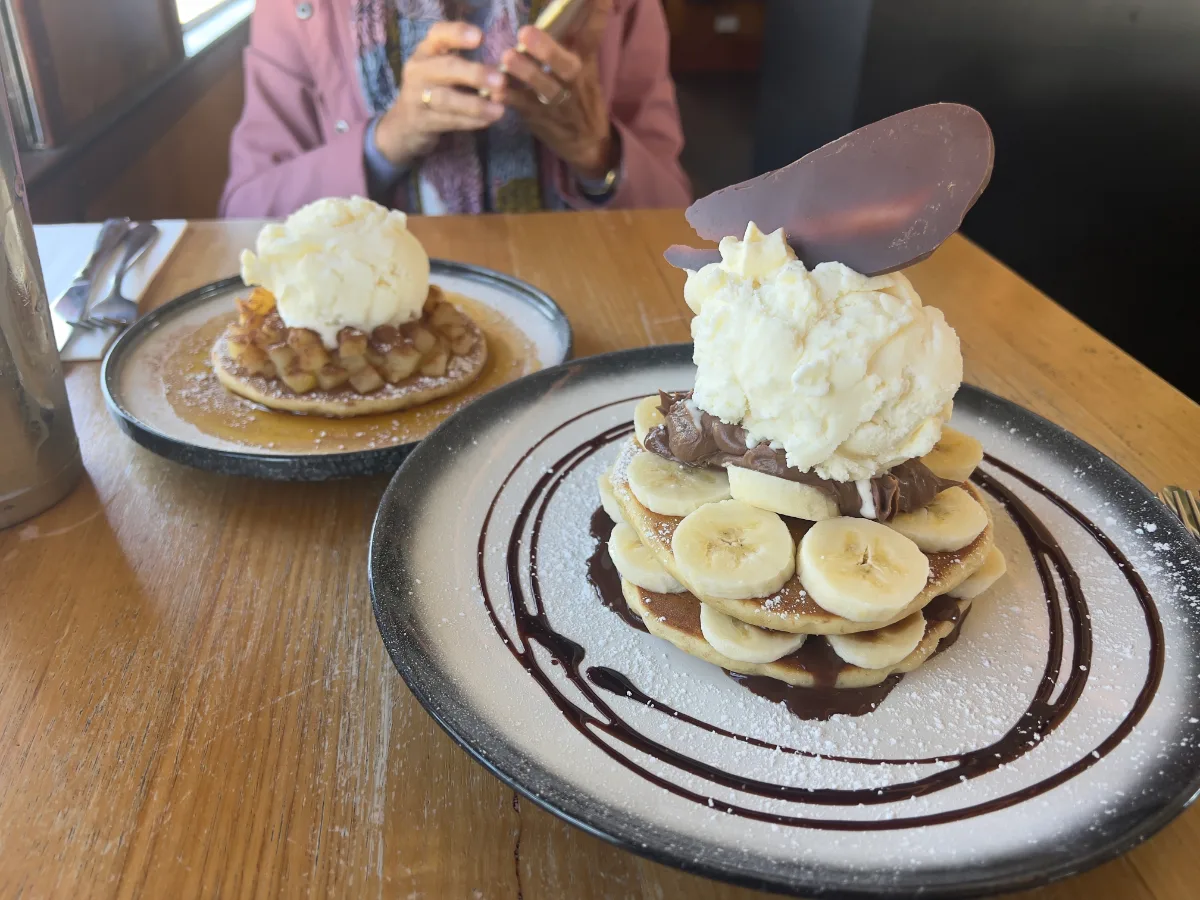
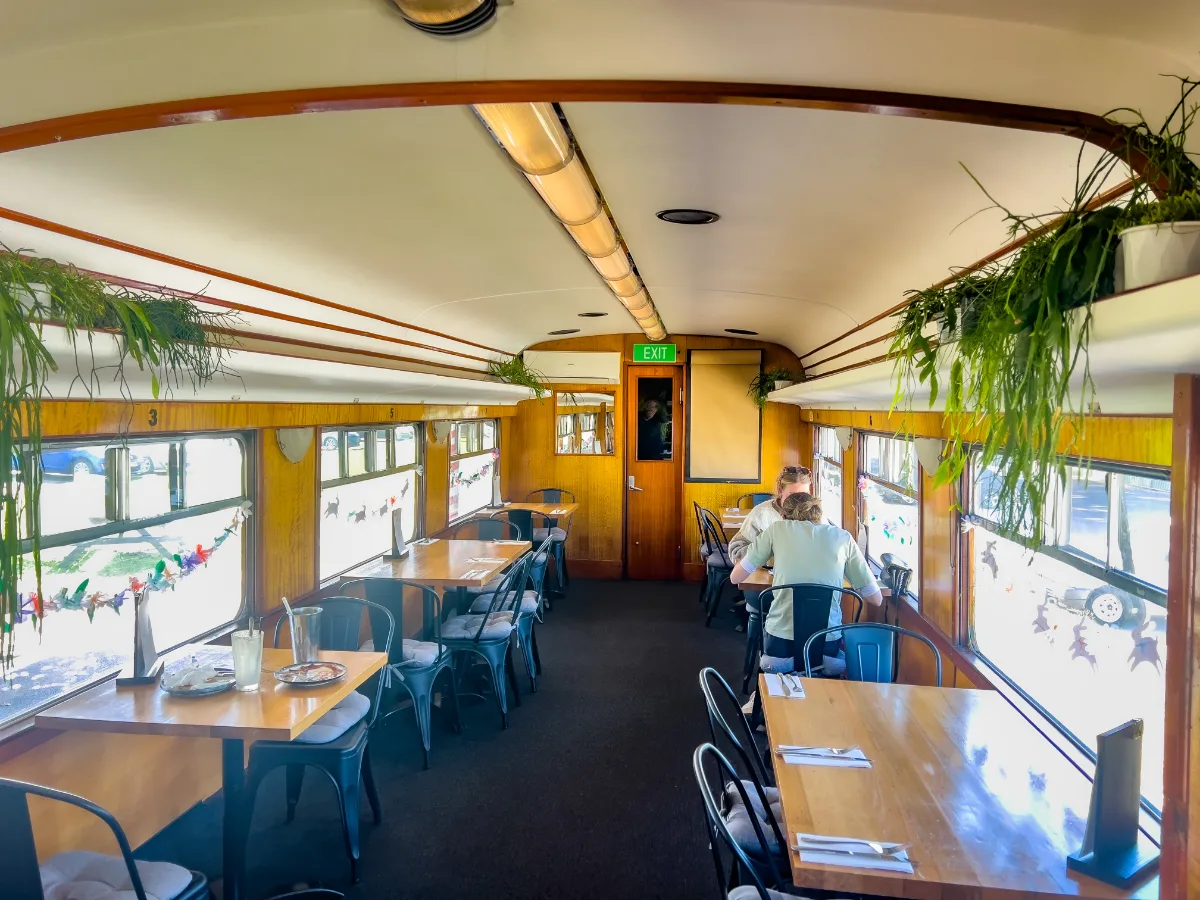
The interior of the carriage is a masterclass in cozy atmosphere. Polished wood, trailing green plants, and the original narrow windows create a unique dining space where you can watch the world go by while tucking into some of the best pancakes we have ever tasted. We went for the works: one stack loaded with spiced apples and cream, and another layered with fresh bananas and a rich chocolate drizzle.
It was the perfect end to a day that started with gray skies and ended with a full stomach and a renewed appreciation for the southern corners of Tasmania.


