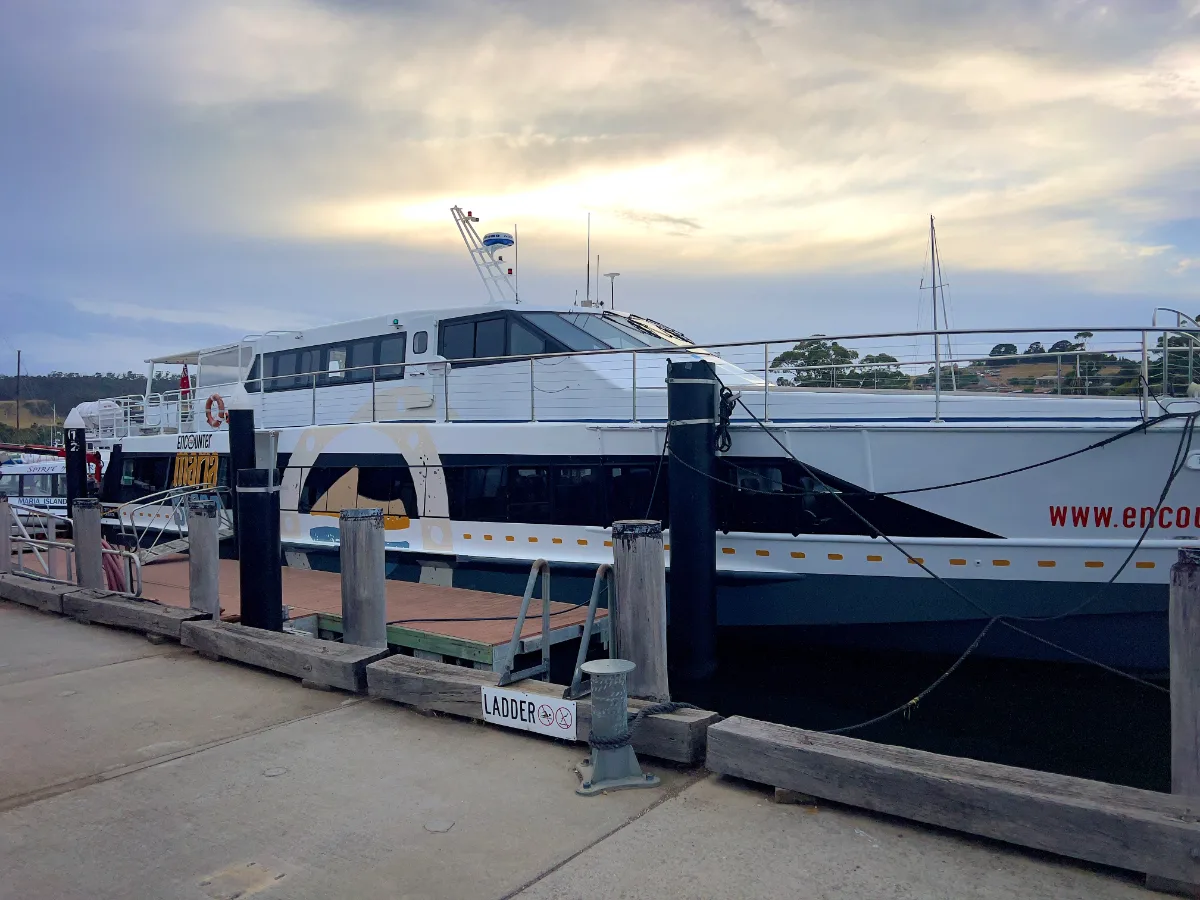
We finally made it over to Maria Island, and we can tell you now, it’s a place that stays with you. The ferry ride across from the mainland was smooth enough that Lisa didn’t have any trouble with her sea legs, but as soon as we stepped out onto the deck, we realised we’d underestimated the Tasmanian weather. It was absolutely bitterly cold! Lisa thought she’d dressed for the occasion, but that wind just cuts right through you. We were huddled together for warmth before we even touched the pier at Darlington.
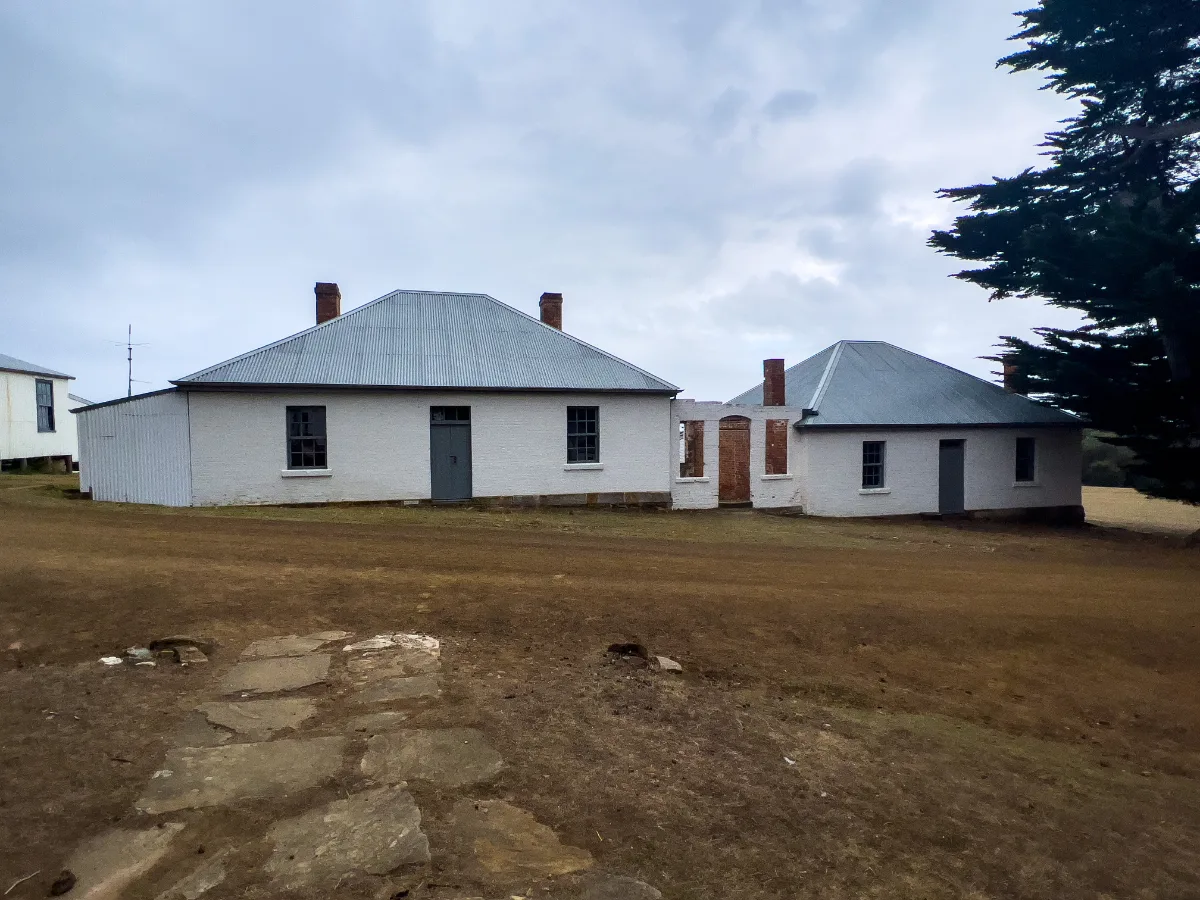
As soon as we stepped off the ferry, we were standing right in the middle of the island's history. The first thing you see is the old Commissariat Store, which they’ve turned into a little information centre. It’s hard to believe that building has been sitting there since 1825. Darlington itself is just a short stroll away, and it feels like stepping back into a different world. We spent some time wandering through the old settlement, thinking about the convicts who were sent here to work the sandstone quarry. It was meant to be a self-sufficient community, but looking at the dry soil and feeling that biting wind, we could see why they struggled.
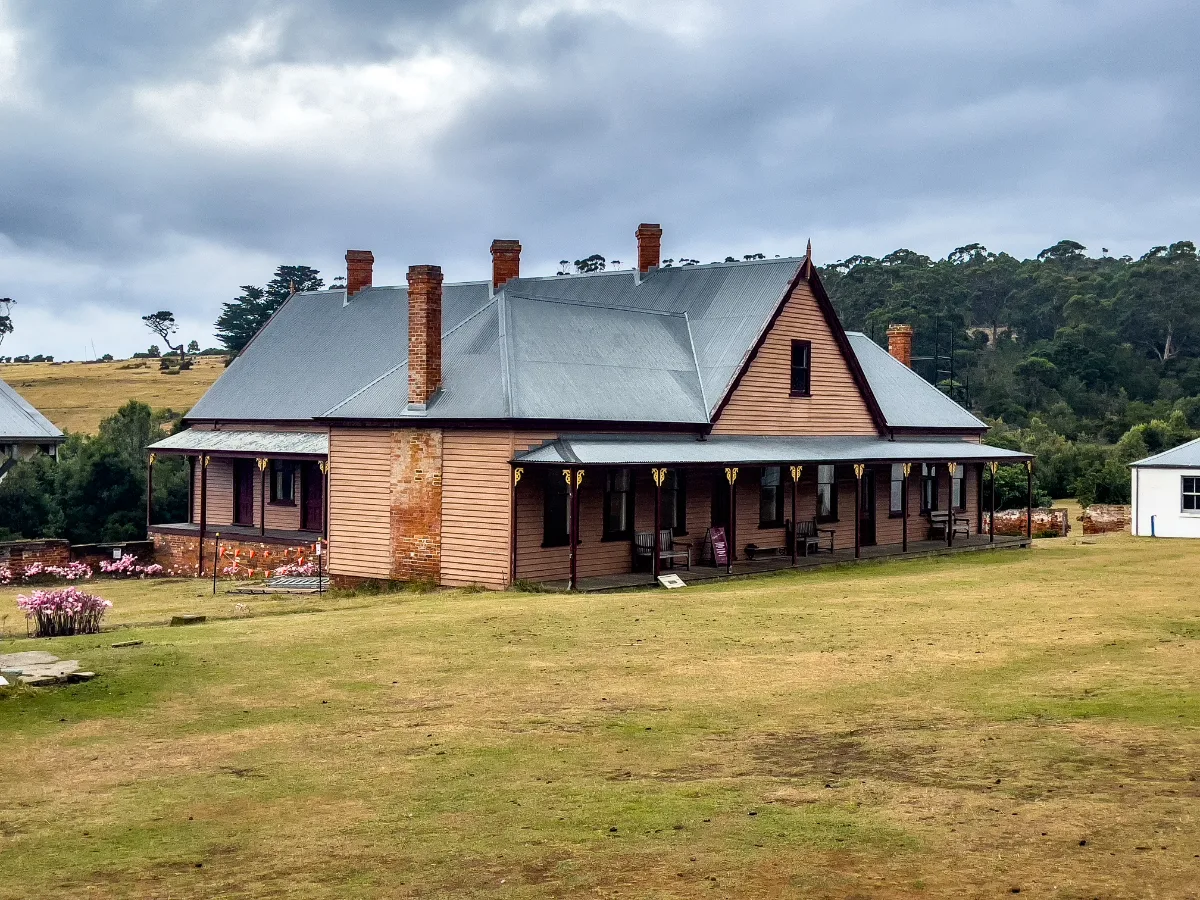
The houses and the old schoolhouse still stand today, looking out over the water. Lisa loved the look of the old cottages, imagining what it must have been like for the families living here when the town was a thriving little hub of 150 people. Steve was more interested in the ruins and the way the military took over during the Second World War. It’s a quiet place now, but you can feel the layers of stories under your feet.
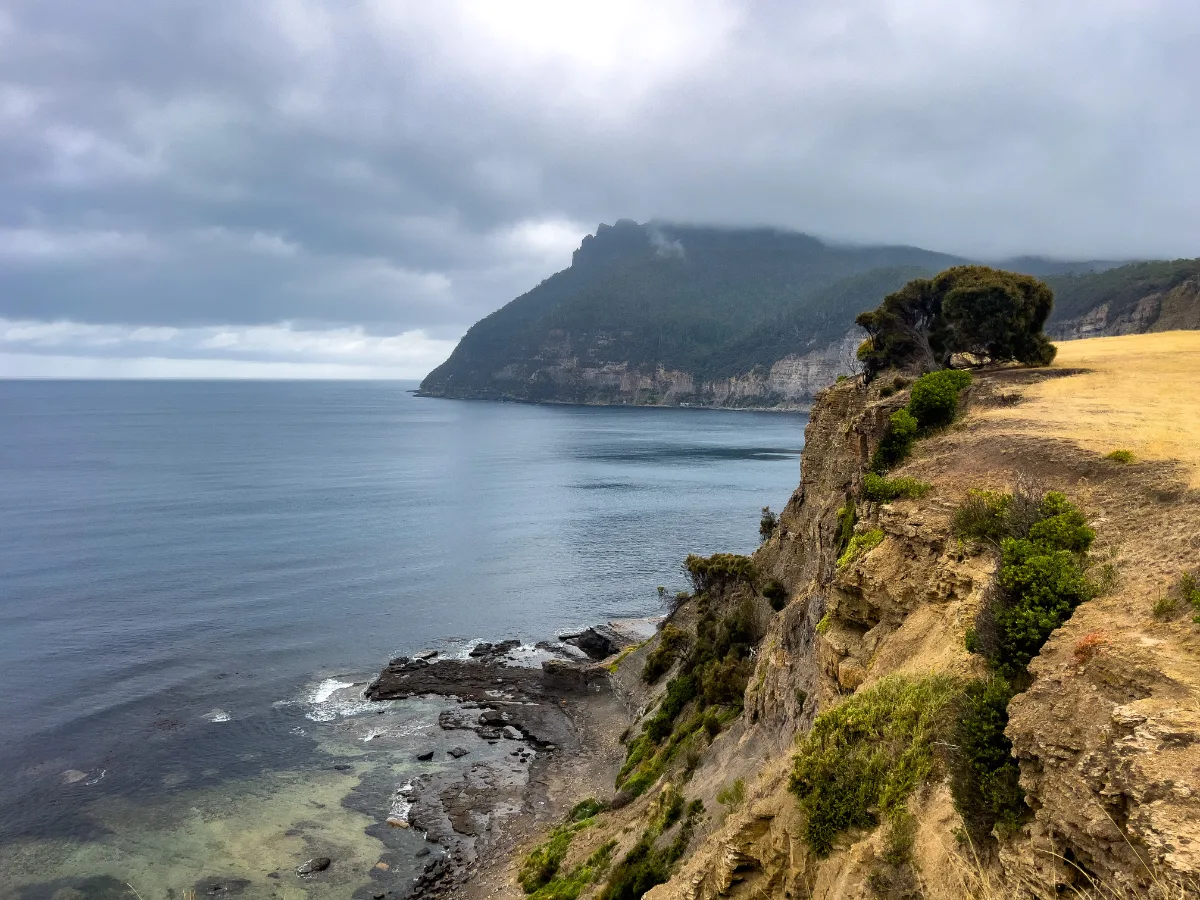
We decided to stretch our legs and tackle the four-kilometre walk out to the Fossil Cliffs. The path takes you along the eastern coast, and the view from the top is something else. We stood on the edge of these massive cliffs, looking down at the ancient marine life literally frozen in the stone. You can see shells and corals everywhere; it’s like a giant graveyard of creatures from millions of years ago. It’s quite humbling to think that explorers like Nicholas Baudin were standing on these same rocks back in 1802.
After the Fossil Cliffs, we embarked on a longer loop—about five kilometres this time—heading through the wooded areas toward the coast. We took a quick detour to see the Oast House. It’s a clever bit of stonework with a conical roof, built back in the 1880s for drying hops. Steve was particularly interested in that, as it’s one of the last ones left in Australia. Lisa was just happy for a bit of a break from the wind while we explored the circular building.
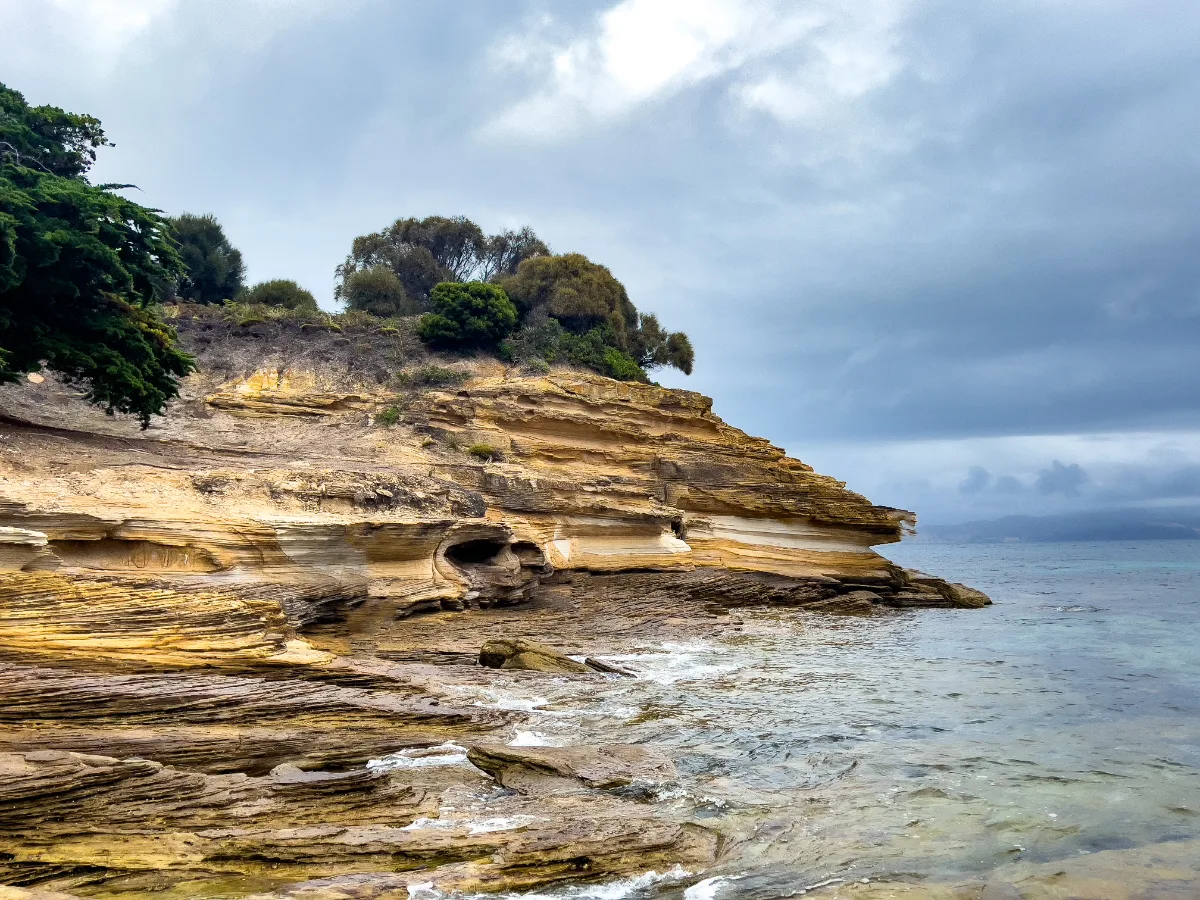
Our main goal, however, was the Painted Cliffs. We’d heard so much about them that we were actually worried they might not live up to the hype. You know how some tourist spots can be a bit of a letdown? Well, we can tell you, these were worth every single step. The sandstone has been carved by the wind and the waves into these incredible swirls and ridges. Because of the iron oxide in the rock, the cliffs are stained with the most brilliant reds, oranges, and yellows. It looks like someone has spent centuries meticulously painting the coastline.
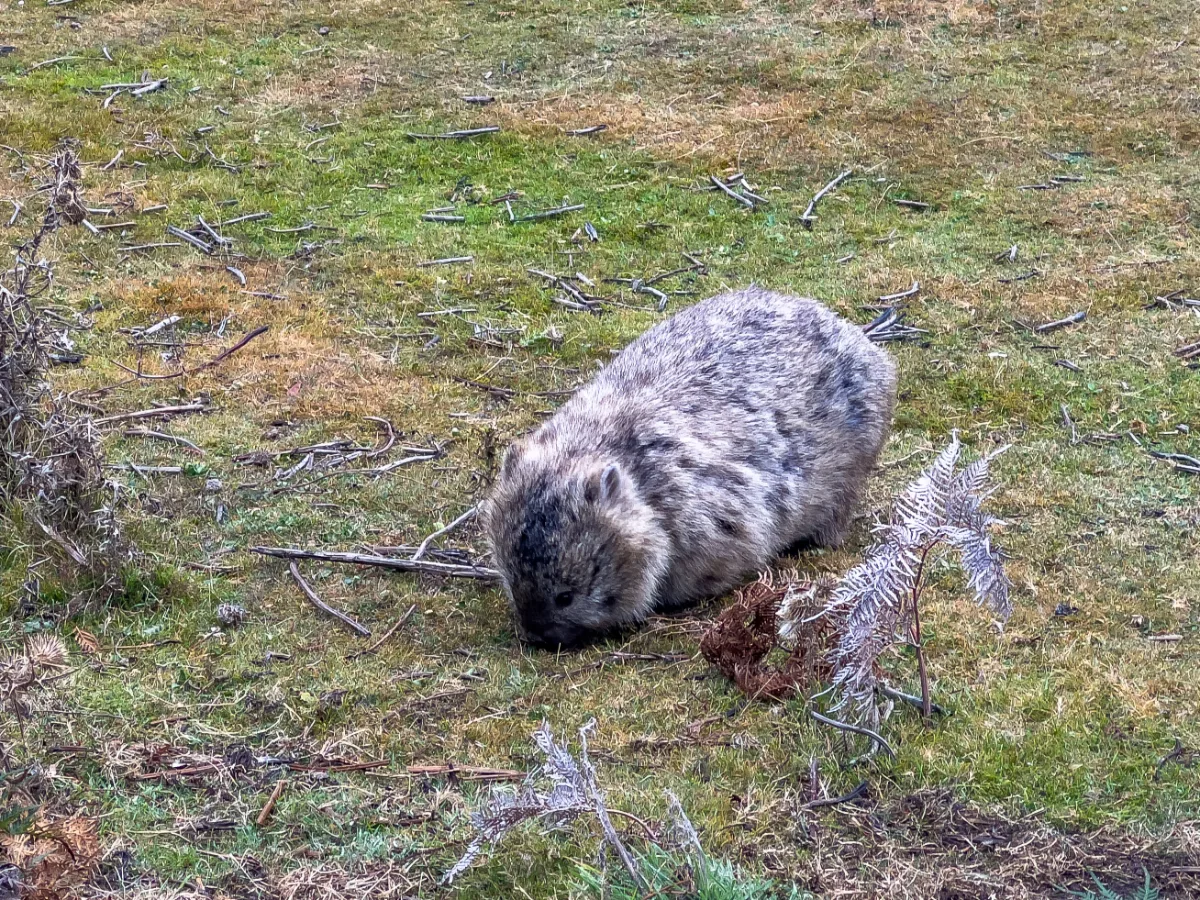
But if we’re being honest, the real stars of the show for us weren't the rocks or the buildings—it was the locals. We have had "see a wombat" on our bucket list for years, and Maria Island did not disappoint. We ended up seeing five of them throughout the day! They are such sturdy, determined little things.
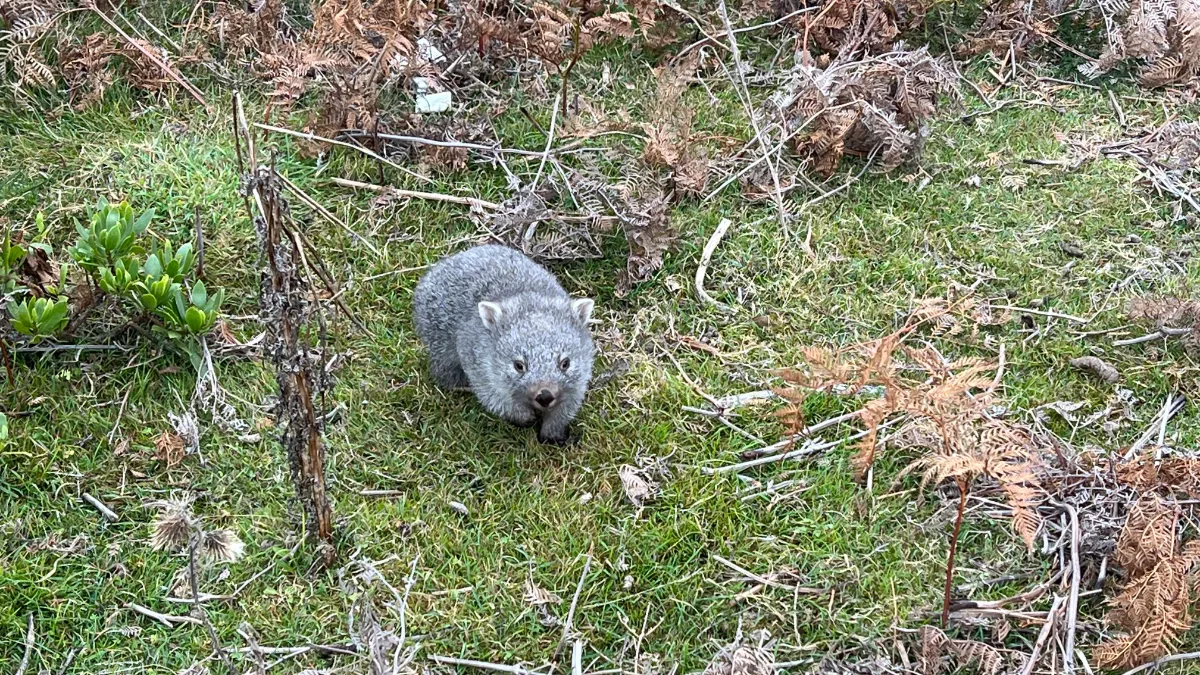
The absolute highlight for both of us was spotting a mother wombat with her little joey foraging right beside her. The grandkids would have absolutely lost their minds seeing how round and fuzzy they are. We also had a few Cape Barren geese honking at us, which was a funny surprise. By the time we headed back to the ferry, we were exhausted and windswept, but Steve couldn’t stop smiling about finally ticking those wombats off his list. It’s a rugged, beautiful place, and we’re so glad we braved the cold to see it.
***


