One thing we have noticed is that Tasmania has a significant number of heritage buildings. We could spend many days wandering through these towns looking at the various structures that have been perfectly preserved over the years. We spent some time in Westbury with our friends Sue and Greg, exploring the streets and taking in the atmosphere of a place that feels very much anchored in its past.
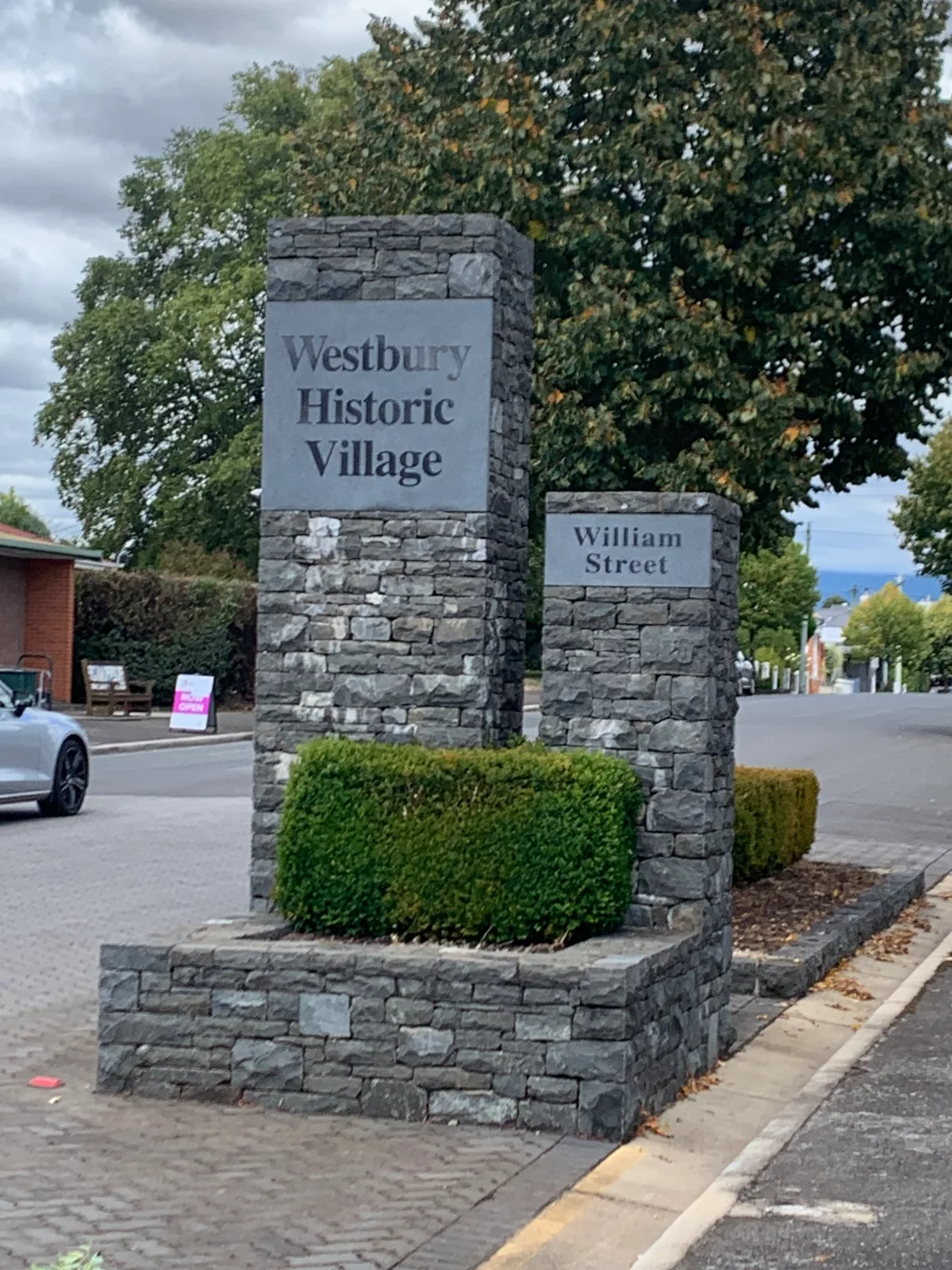
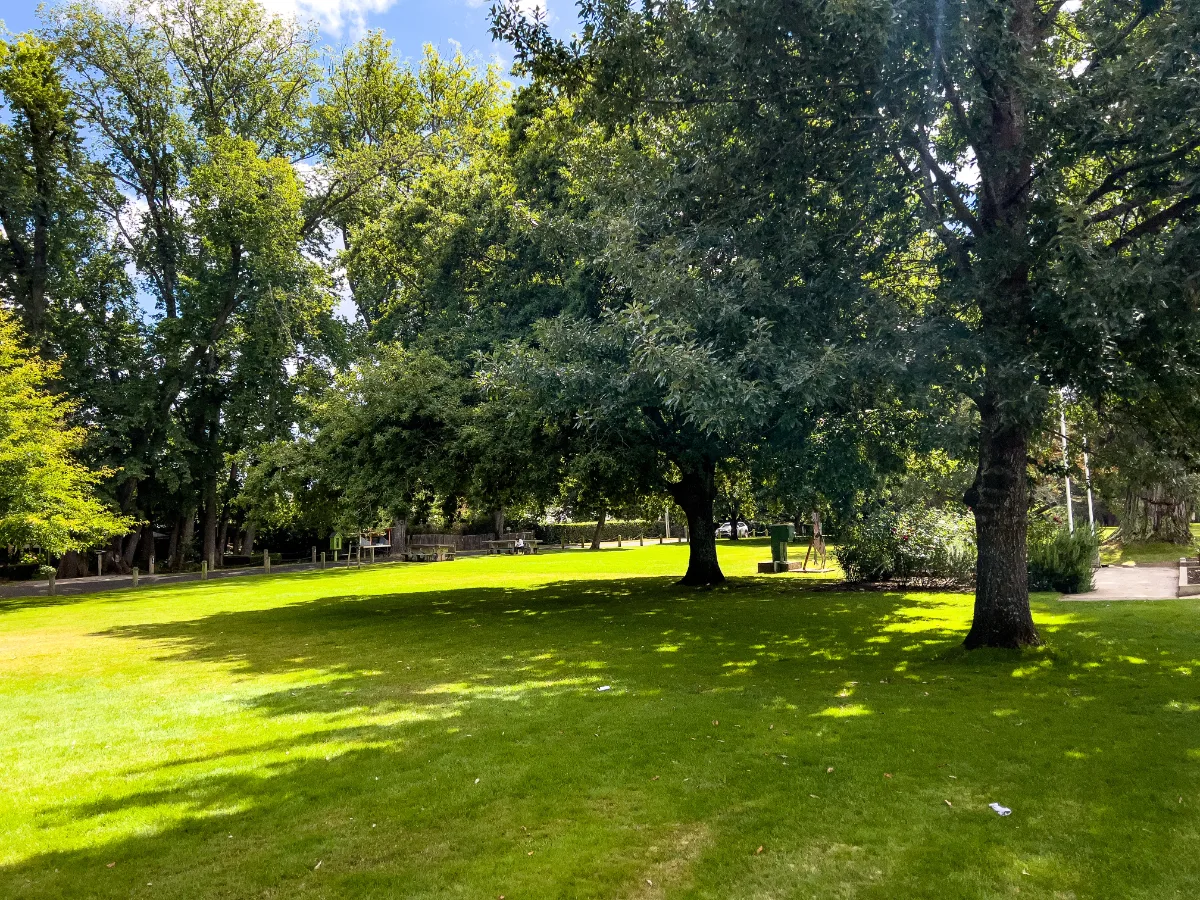
The entrance to the village is marked by a substantial stone sign on William Street, which let us know immediately that the community takes its history seriously. There is a sense of pride here in how the town is presented. Our walk took us past the village green, a large, open space with mature trees that provides a central point for the town. It is easy to imagine how this space has been used by the community for generations.
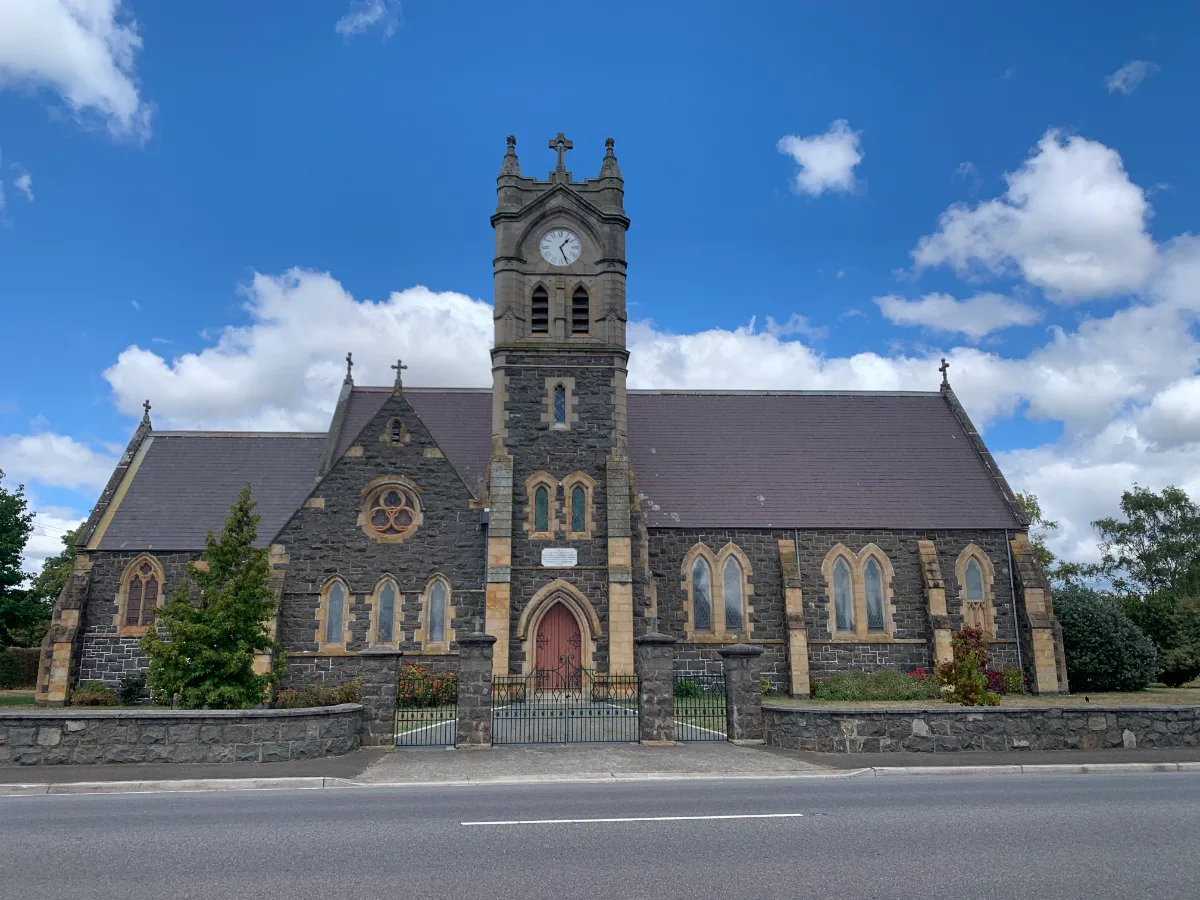
As we continued our walk with Sue and Greg, the architecture became the main focus of our conversation. St Andrew’s Anglican Church is an impressive sight. The bluestone walls and the tall clock tower are solid and imposing, standing as a testament to the craftsmanship of the people who built it. The clock face was clear against the stone, and the entire building was framed by a bright, cloud-dotted sky.
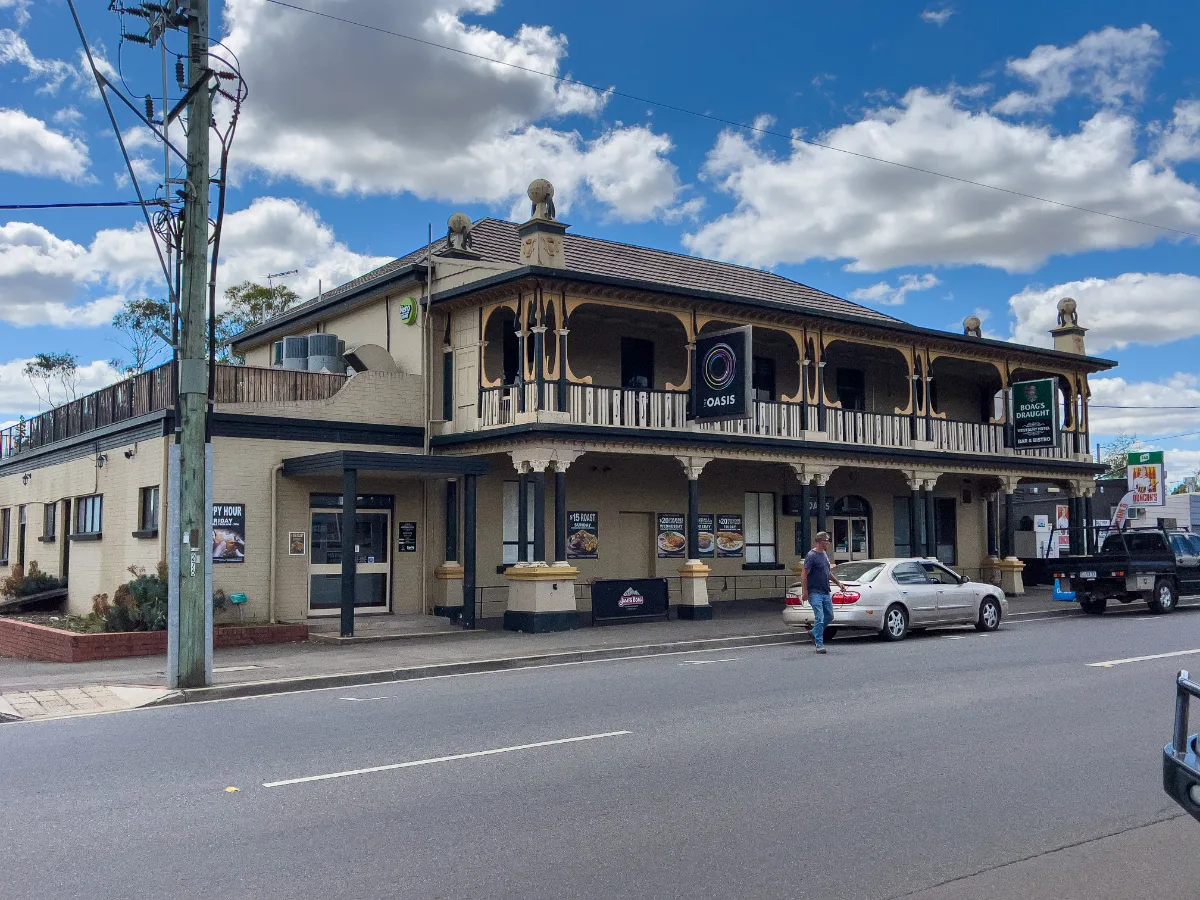
The town is full of grander buildings that have served as social hubs for a long time. We walked past the local hotel, which has a very distinct character. It is a two-storey building with an expansive upper balcony. It is the kind of place that makes us stop and look at the finer details, like the intricate timber work and the way the building occupies its corner of the street.
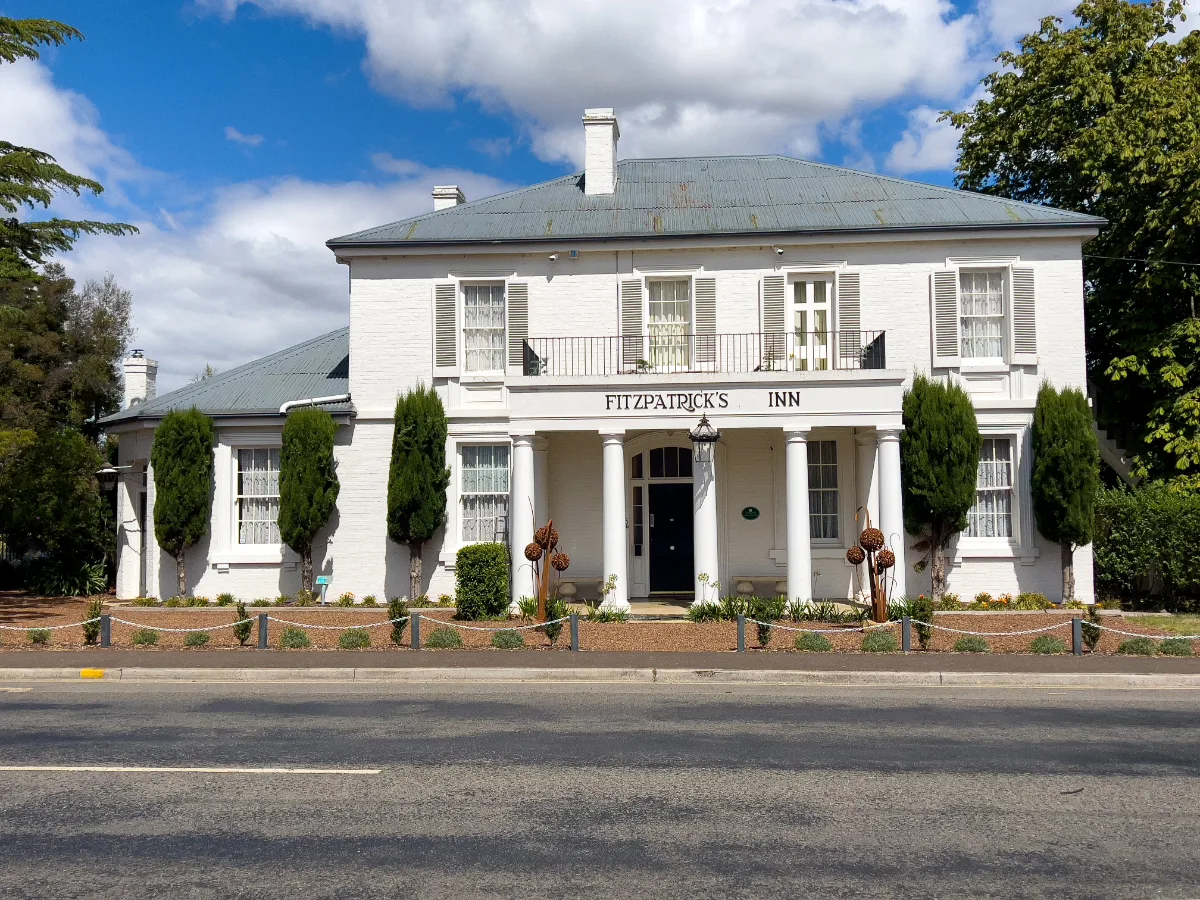
Further along, we came across Fitzpatrick’s Inn. This is a very elegant white building with large columns at the front and shuttered windows. It has a formal feel to it, sitting back from the road with a well-kept garden and tidy hedges. It felt quite different from the bluestone church or the local pub, showing the variety of styles that exist within just a few blocks of each other.
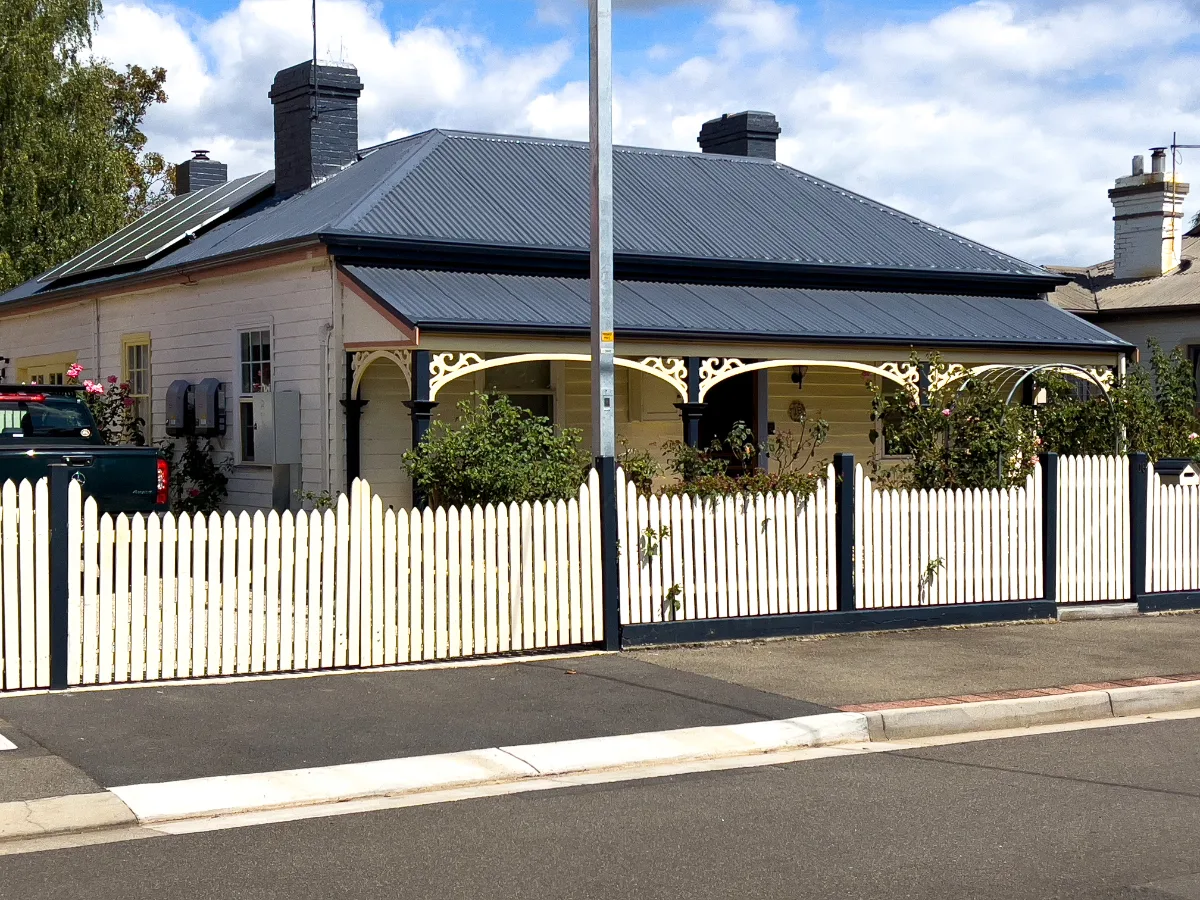
It is not just the large public buildings that caught our attention, however. We found just as much interest in the private homes. We saw a lovely weatherboard cottage that had been kept in excellent condition. It featured a deep blue corrugated iron roof and a classic white picket fence. The contrast between the cream weatherboards and the dark trim on the veranda was very sharp.
Our time in Westbury reminded us of how important it is to maintain these links to the past. Walking these streets with friends made for a very pleasant afternoon, and we enjoyed the slow pace of the town. There is something very grounding about being in a place where the history is so visible and well-respected.


