As we made our way further south along the Queensland coast, we stopped at Innisfail for a while and were taken aback by this coastal town. It wasn't what we expected, which is often the best kind of surprise.
Innisfail is clearly a town with a history, and a history deeply intertwined with the sugar industry.
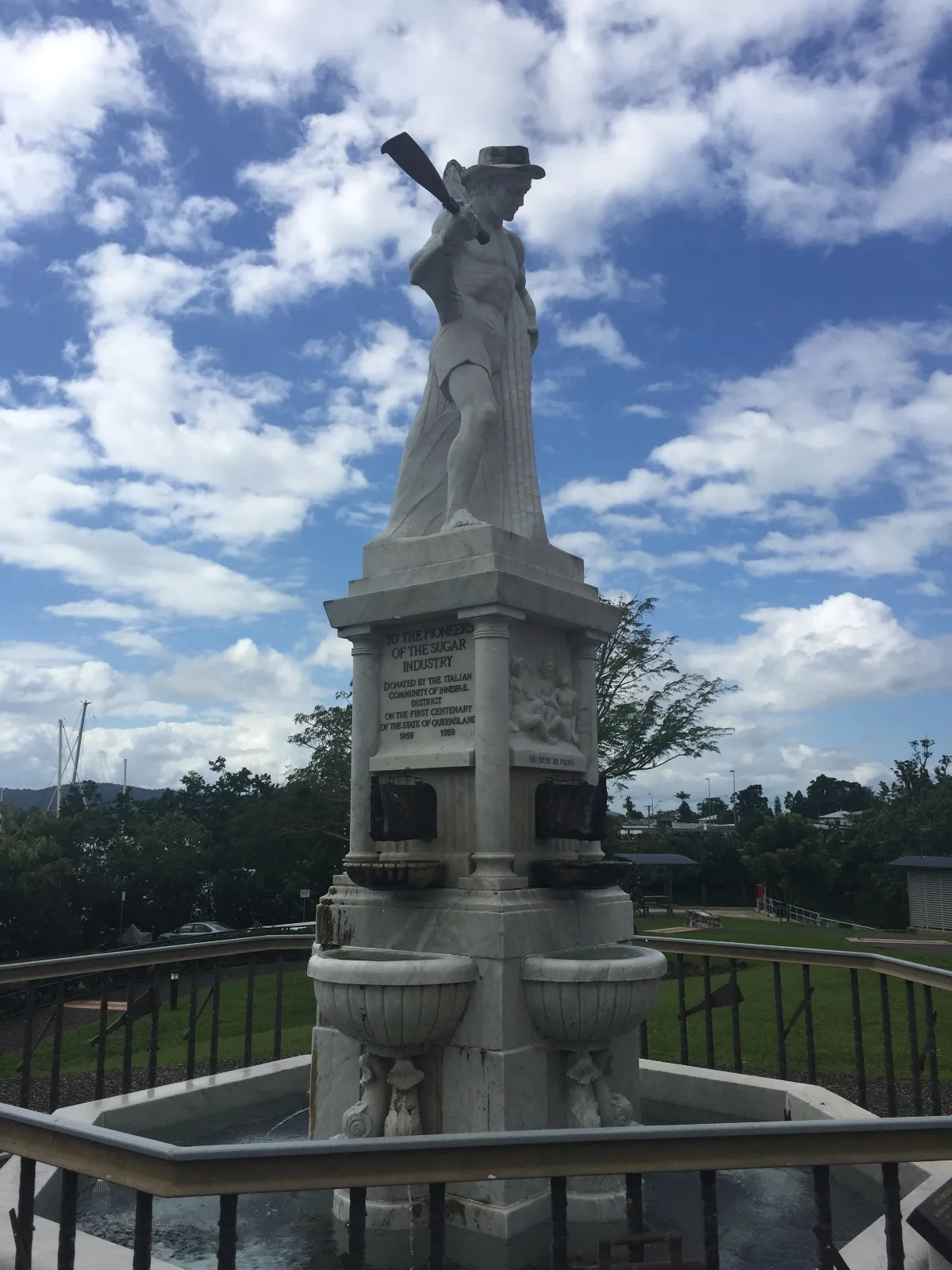
The monument dedicated to the pioneers of sugar production, particularly the Italian immigrants who played such a crucial role, is a testament to this. We found it a solemn and thoughtful tribute. The inscription gave us pause, reminding us of the hard work and dedication required to build a community.
The town itself has a distinct character, an unusual blend of art deco architecture and tropical foliage. We were particularly impressed by the well-maintained buildings in the town centre, a few of them looking recently painted and cared for.
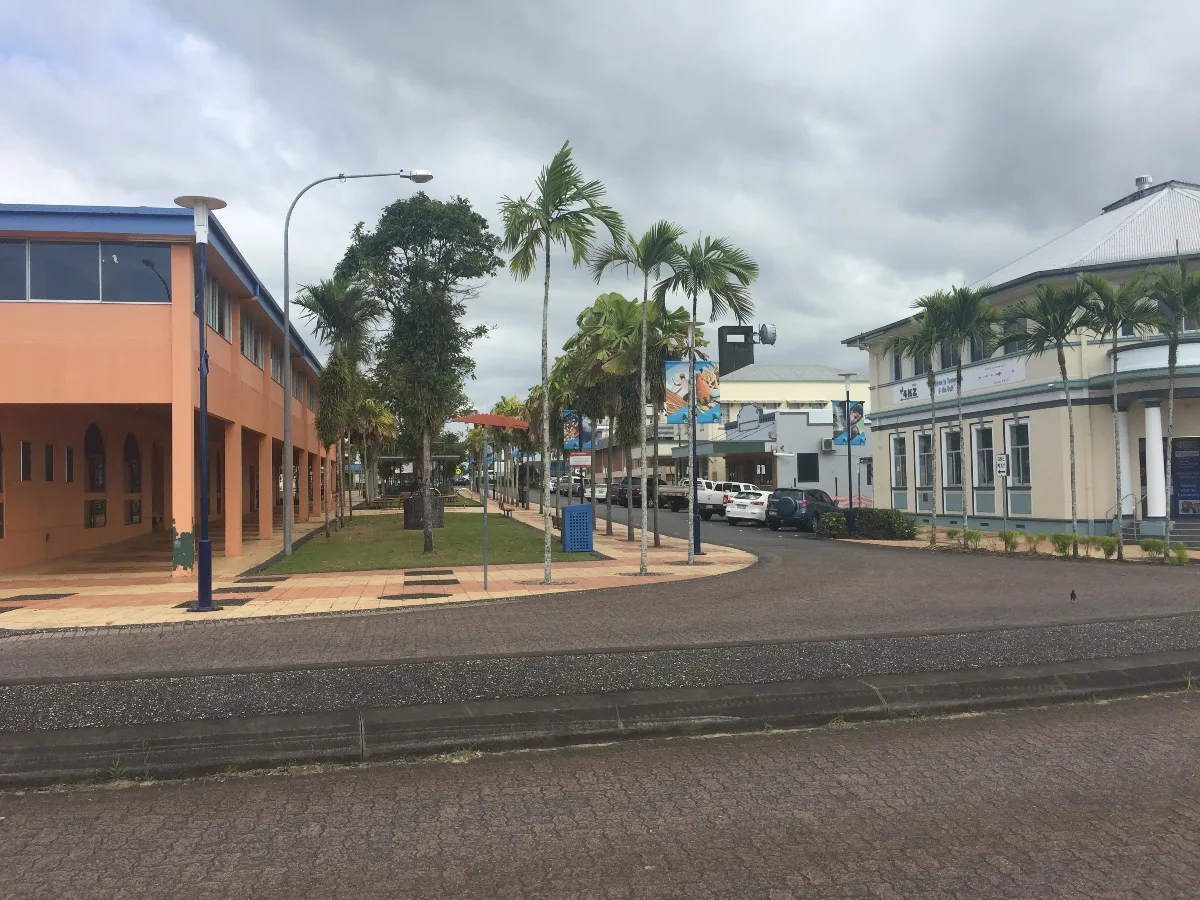
The wide streets, lined with palm trees, gave the place a relaxed and almost languid feel. One couldn’t help but slow the pace a little.
But perhaps the most striking aspect of Innisfail is its location at the junction of the Johnstone River. The waterways weave their way through the town, providing an almost constant connection to the water. The docks and boats added a vibrant touch to the landscape.
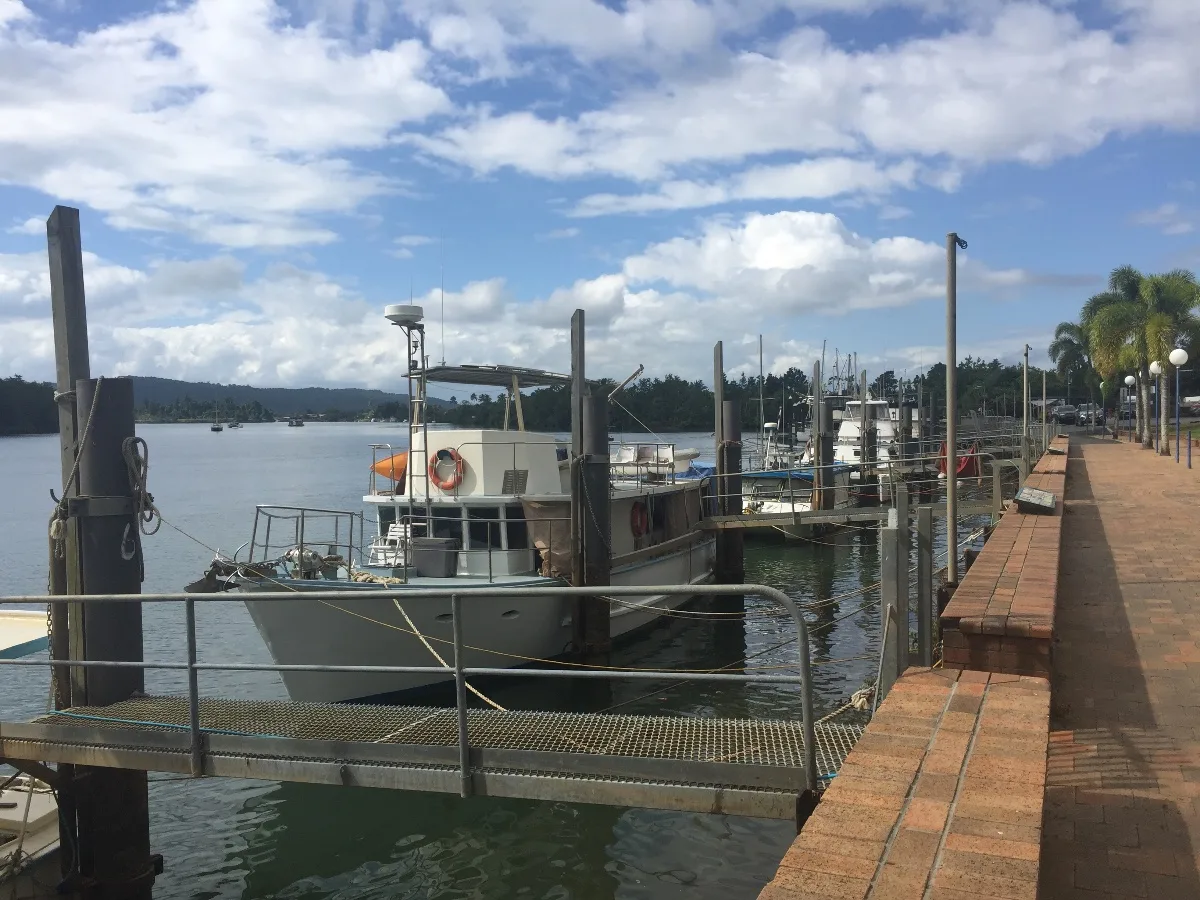
We ambled along the riverfront, enjoying the peace. There’s something restorative about being near water, especially in the tropics. We observed the boats and could almost picture the people off on their own adventures.
Innisfail might not be on everyone's "must-see" list, but we believe it’s a place worth slowing down for. It's a reminder that the beauty of travel often lies in unexpected discoveries, quiet moments, and stories etched into the landscape. We were certainly glad we stopped.


