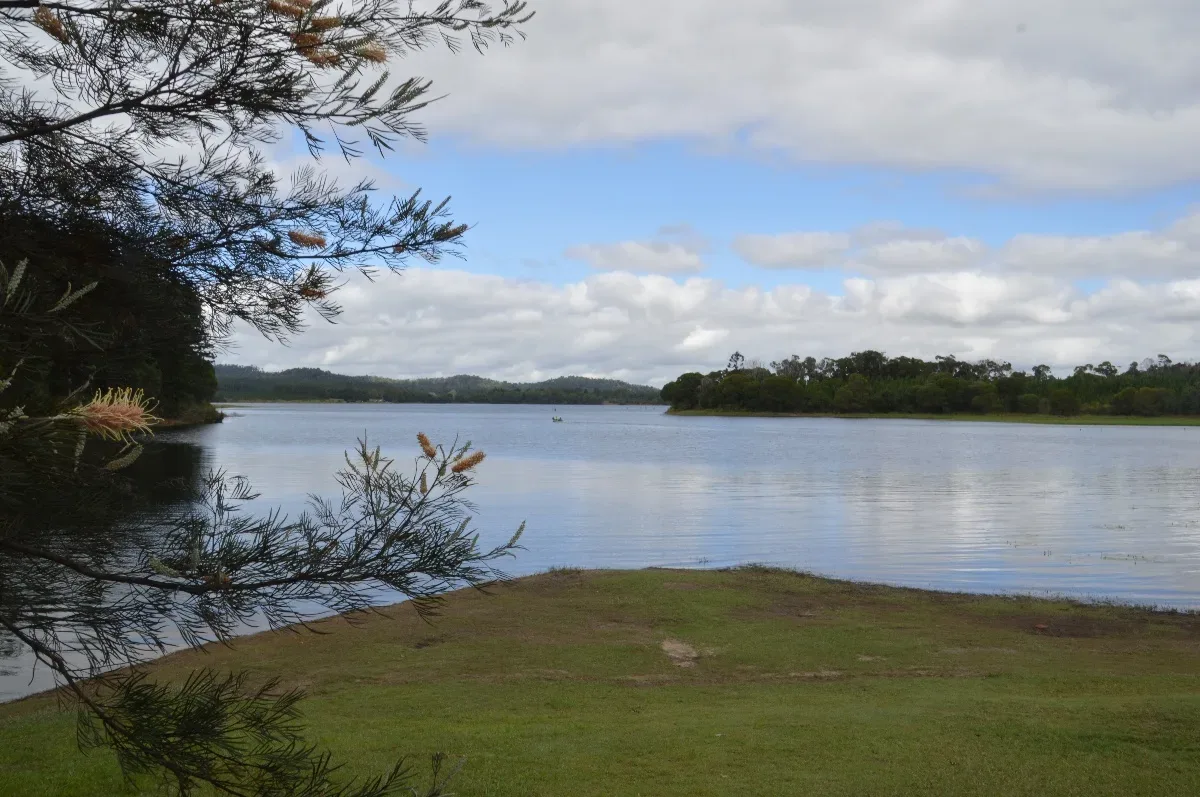
Lake Barrine, located on the Atherton Tablelands, offered a welcome respite this morning. It’s one of two crater lakes in the area, the other being Lake Eacham, and it possesses a unique and calming atmosphere. The lake itself was formed by volcanic activity millennia ago, though the precise details are, as always, debated amongst the geologically inclined. What’s not debatable is the sheer beauty of the area, surrounded by lush rainforest that supports an abundance of wildlife.
We opted for a pleasant morning tea at the Lake Barrine Teahouse.

Established in 1926, this family-run business has been serving visitors for generations. The Devonshire tea was quite acceptable, a welcome change from the instant coffee of the road. From my table, I had a clear view of the water.
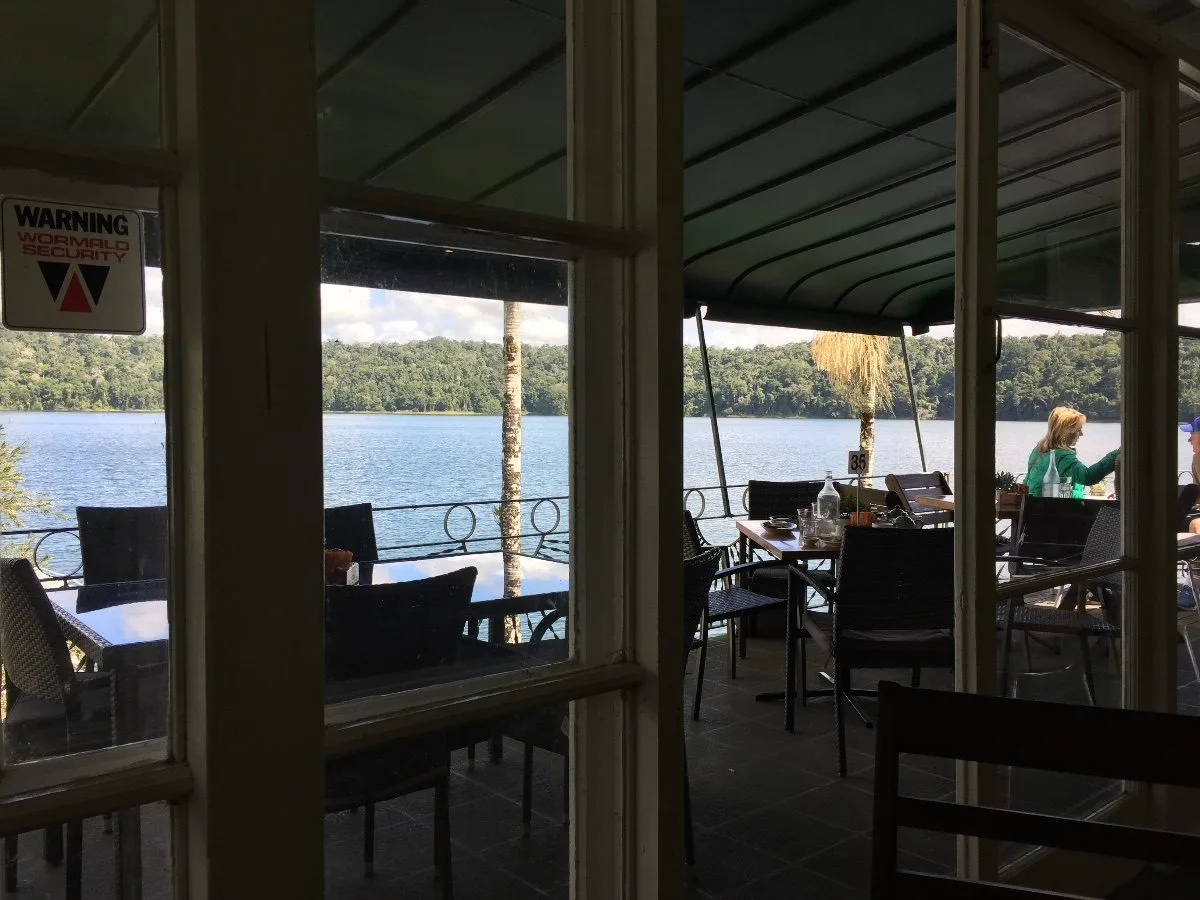
After tea, I took a short stroll around the lake's perimeter. The walk is easy, even for those of us who might be carrying a few extra kilos. The rainforest presses close to the water's edge, creating a verdant tapestry of greens. At various points along the shore, canoes and kayaks are available for hire, providing a different perspective on the lake.
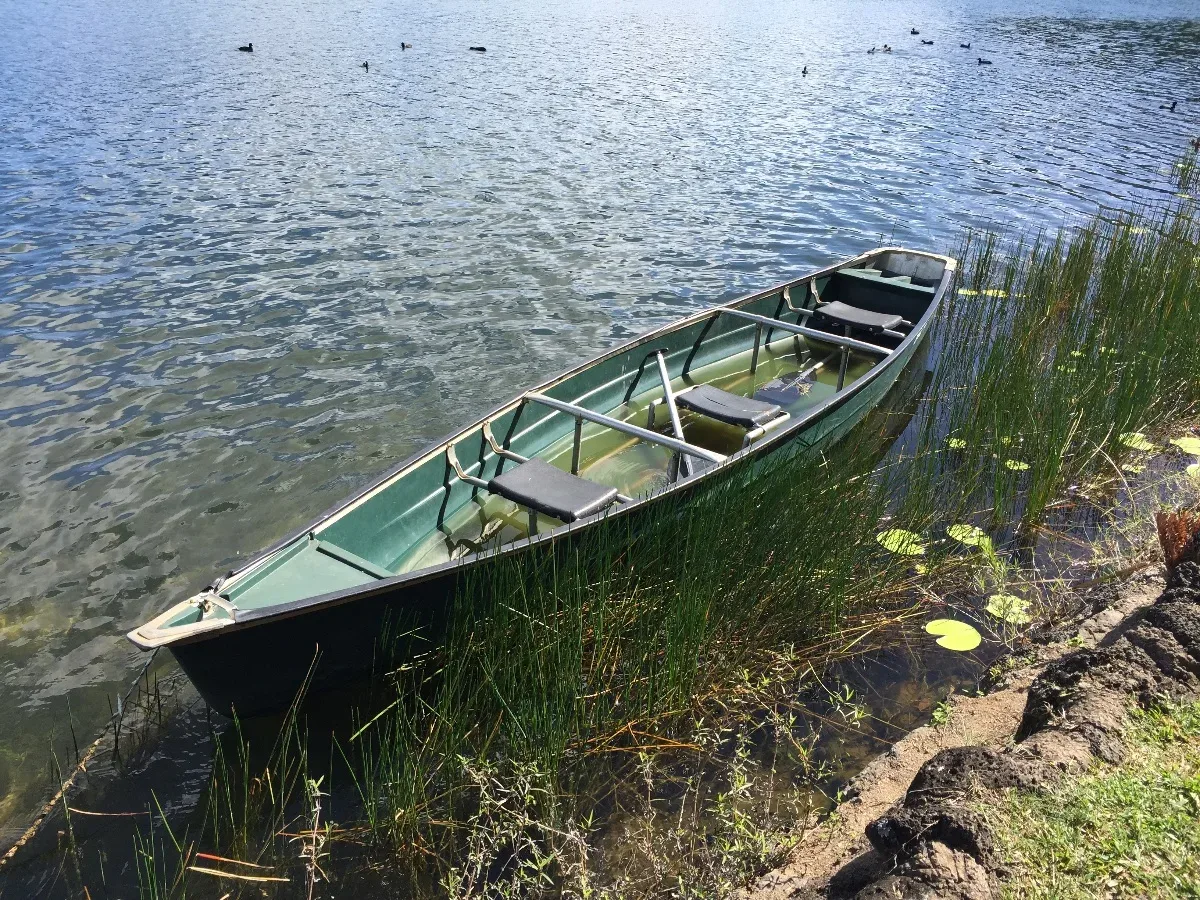
Although tempting, I declined, preferring the stability of terra firma.
The lake is also home to a diverse array of birdlife, from the more common waterfowl to the rarer species hidden amongst the trees. Even without binoculars, the variety is impressive.
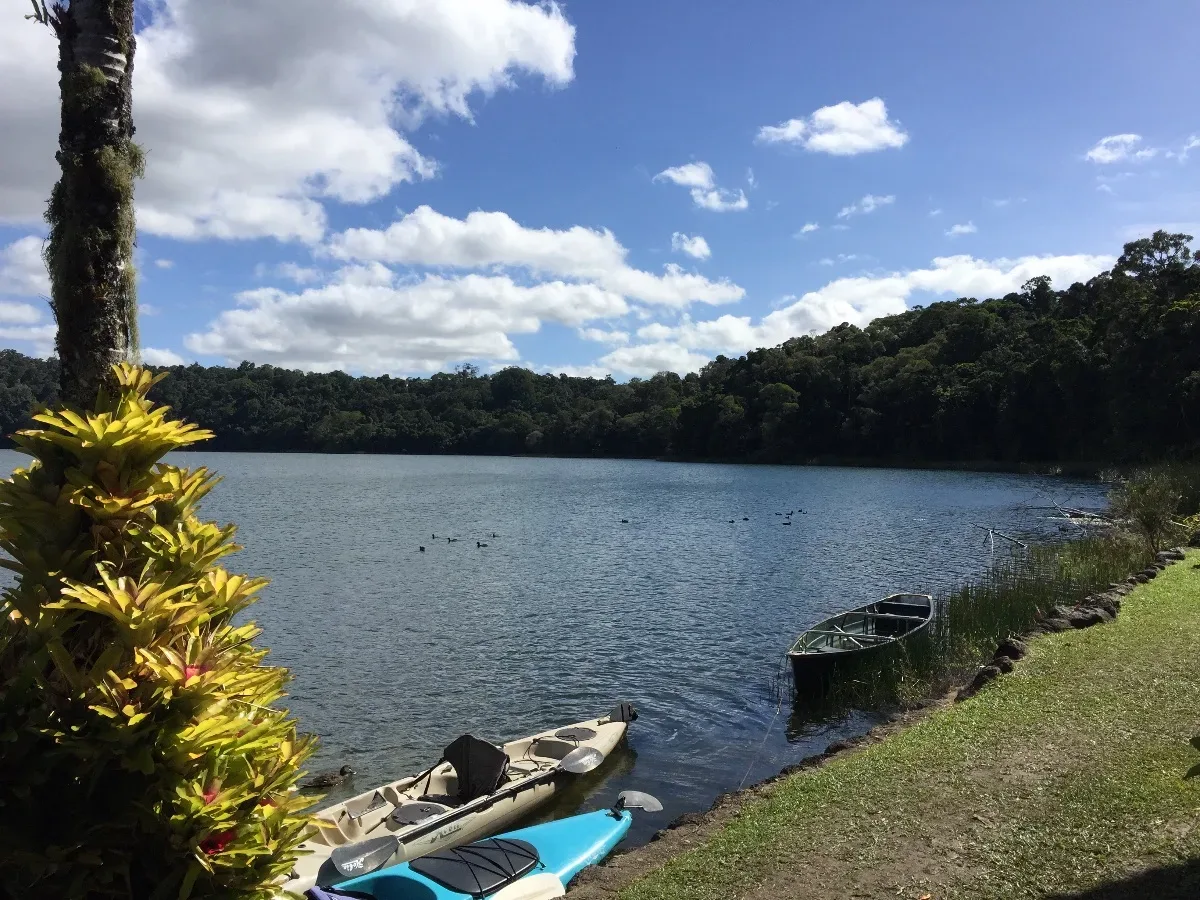
The overall feeling is one of serenity and peace, a perfect antidote to the rigors of travel. It's a place to simply sit, observe, and appreciate the natural beauty of North Queensland. If you find yourself in this corner of the world, a visit to Lake Barrine is highly recommended.
After a relaxing morning tea overlooking Lake Barrine, our travels took us towards a rather unusual sight: the Cathedral Fig Tree.
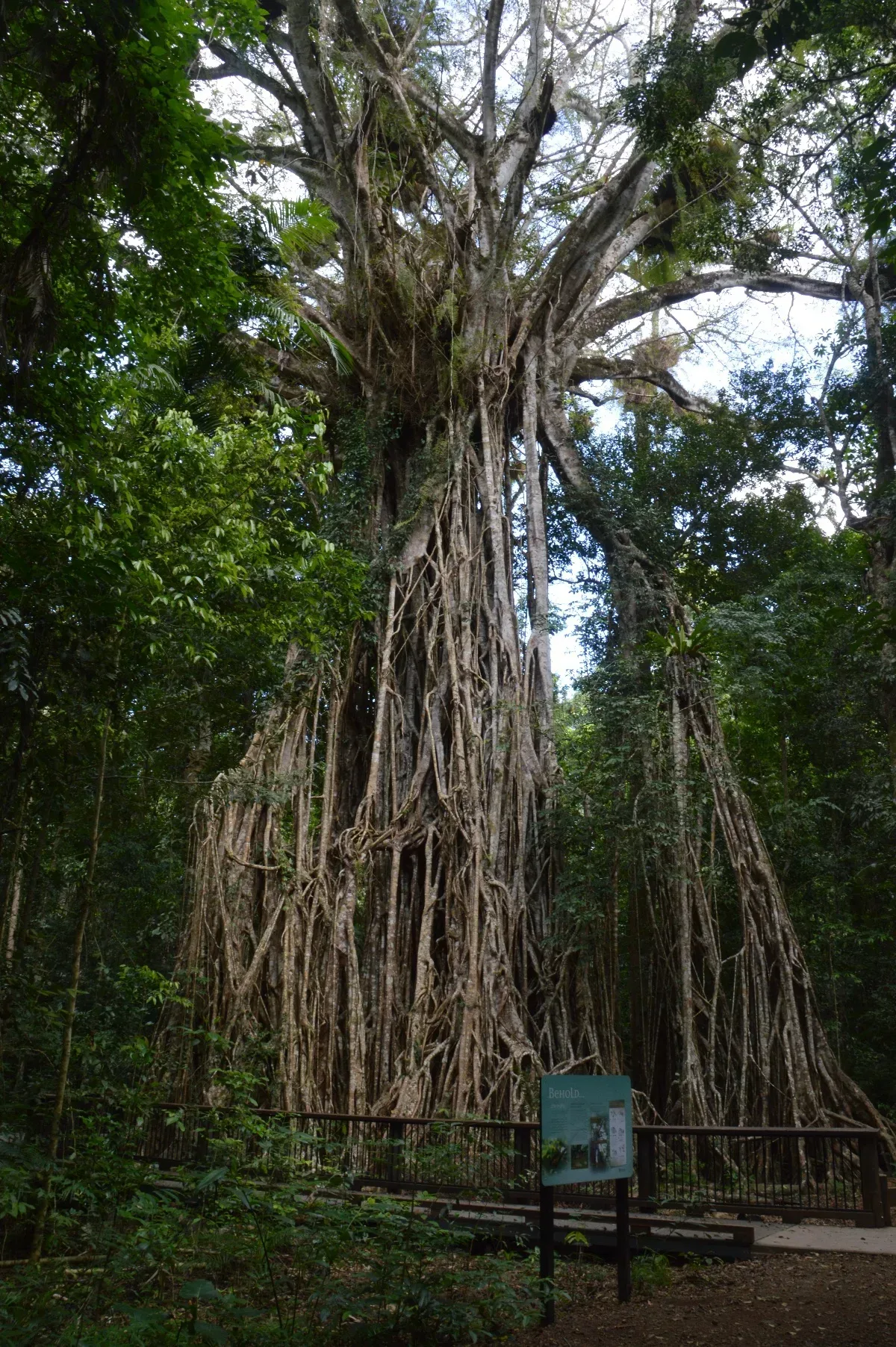
This ancient giant is truly unlike anything we've encountered on our travels. While we've seen some fantastic painted water towers of late in Augathella and Charleville, this was of an entirely different nature, indeed.
The sheer scale of the tree is difficult to comprehend until you're standing beneath its vast canopy.
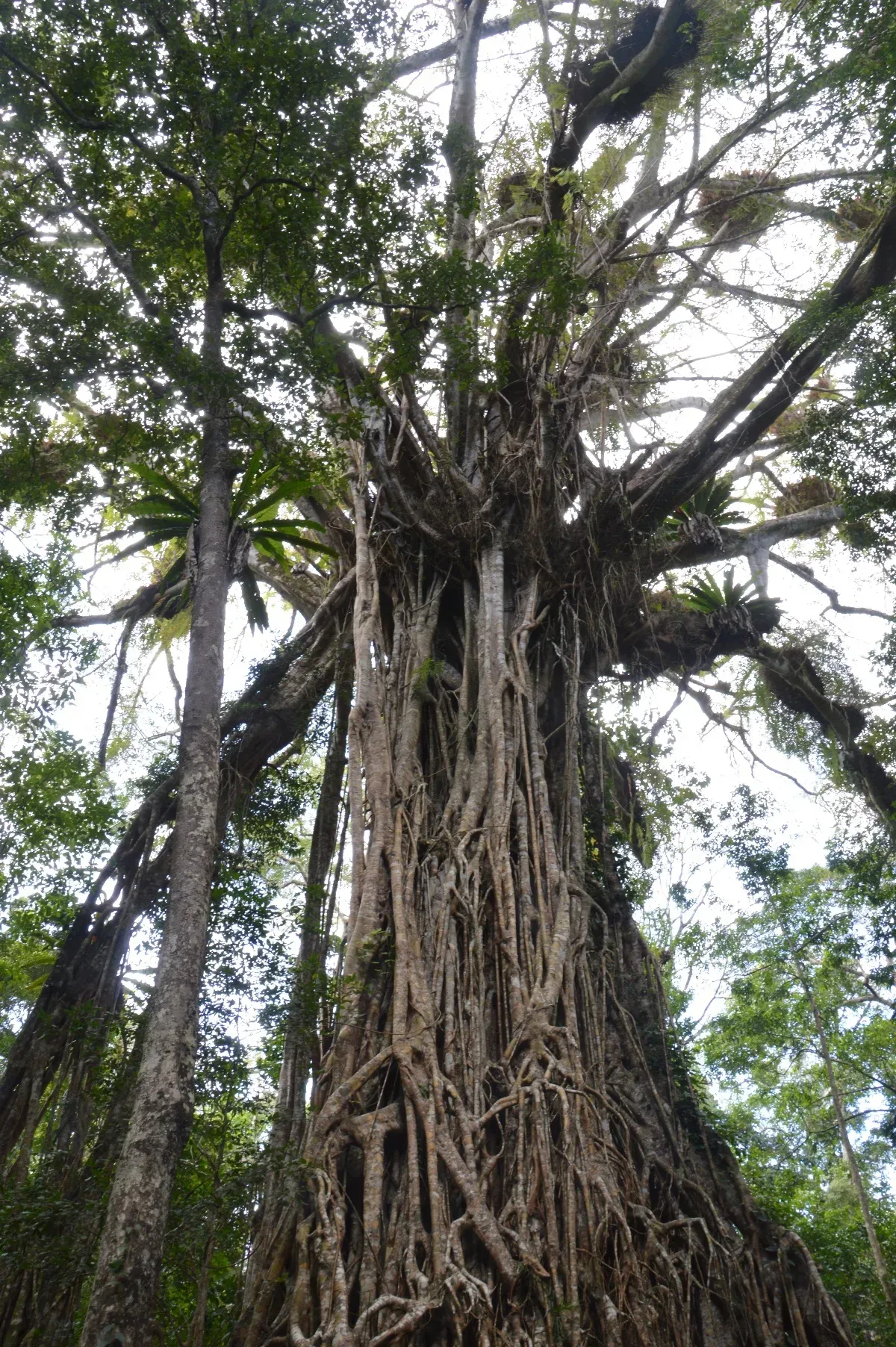
The aerial roots, which cascade down from the branches, create an intricate network that resembles the soaring arches of a cathedral. It’s a testament to the power and artistry of nature. It is easy to see how this tree has earned its name.
On the way, we had a slightly unexpected encounter with two magnificent longhorn cows, who we rather creatively named Rommel and Monty.
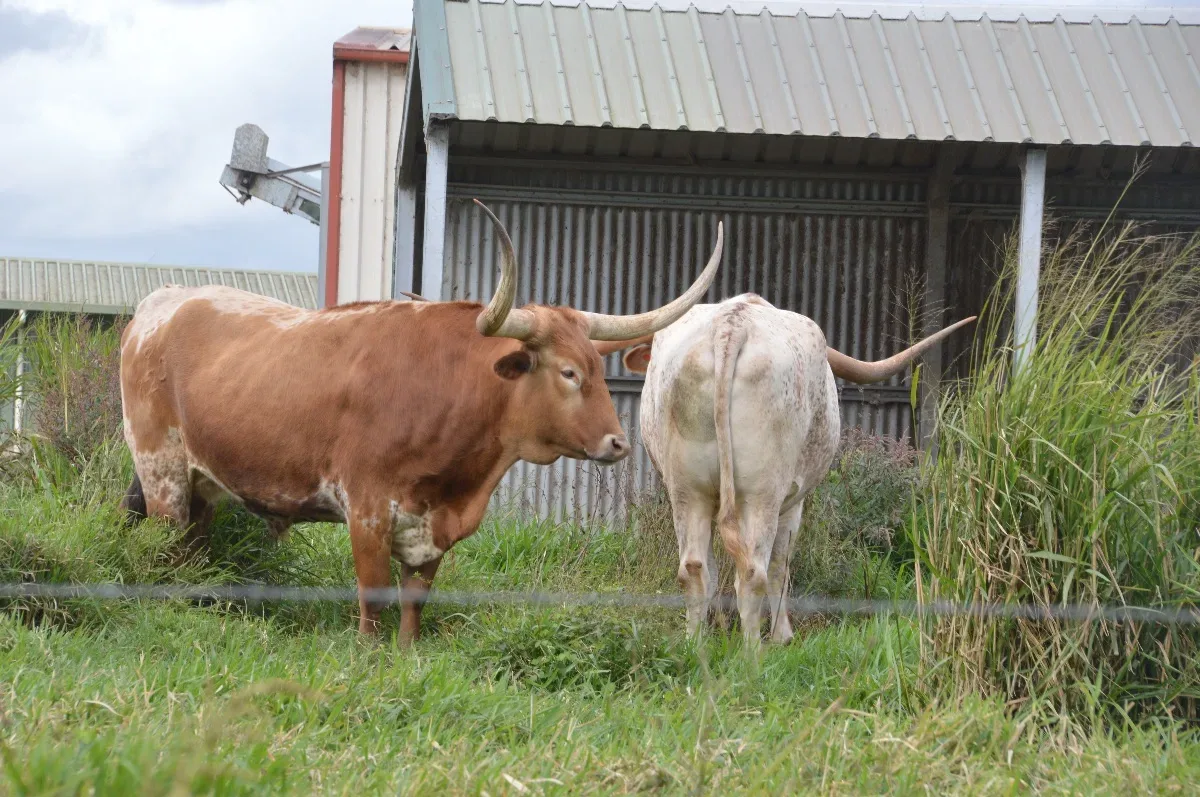
While we appreciate all forms of wildlife, and while water towers are certainly marvels of human engineering, it’s always fascinating to see animals seemingly out of context in their environments.
We found the Cathedral Fig Tree to be truly awe-inspiring. The way the light filters through the dense foliage and the feeling of being surrounded by such ancient, living architecture is truly magical.
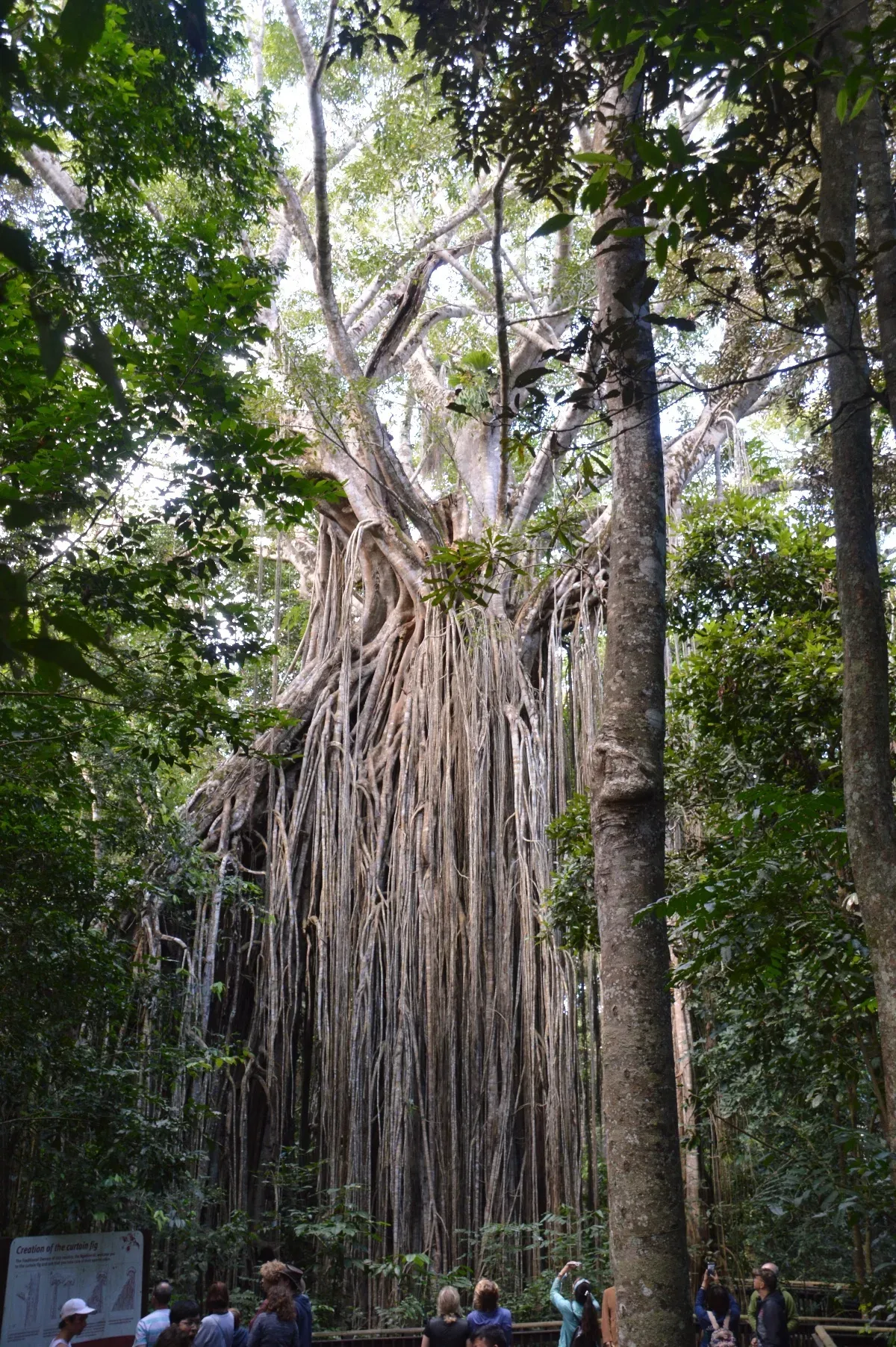
It's a humbling experience to witness the resilience and enduring beauty of the natural world. Approaching it from the ground, the massive web of roots is simply incredible.
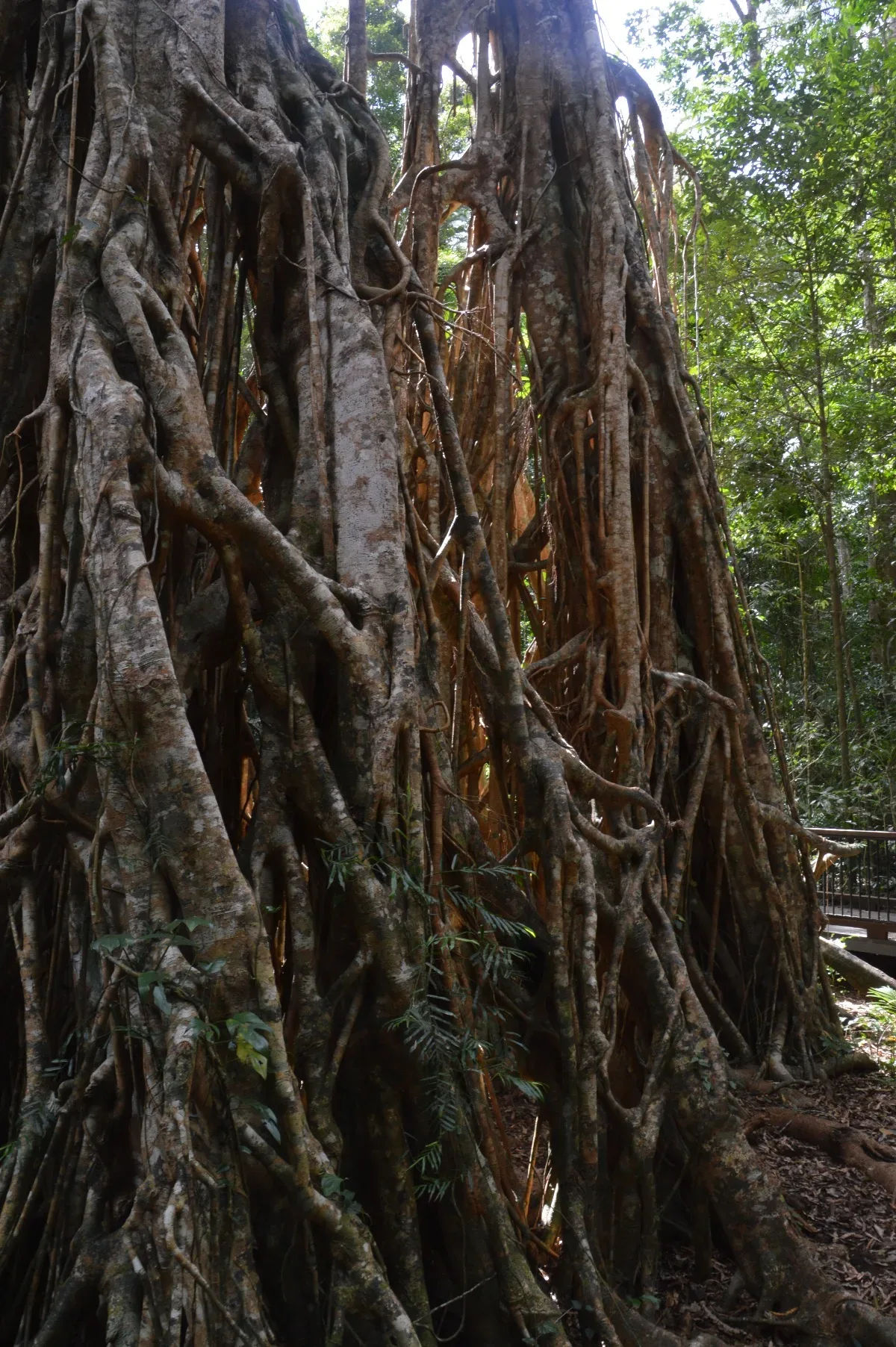
It's a must-see for anyone visiting the Atherton Tablelands.
Our travels have taken us to many interesting places, but occasionally, a destination truly captures our hearts. Yunguburra and Lake Tinaroo, in the Atherton Tablelands, certainly fall into that category, and it was also where we had our first encounter with some truly peculiar birds.
We weren't quite sure what to expect as we arrived. The rolling green hills and lush rainforest hinted at the beauty to come, but nothing could have prepared us for the sheer tranquillity and unexpected wildlife we found. It was quiet. We found that we could sit for hours and just appreciate the scenery.
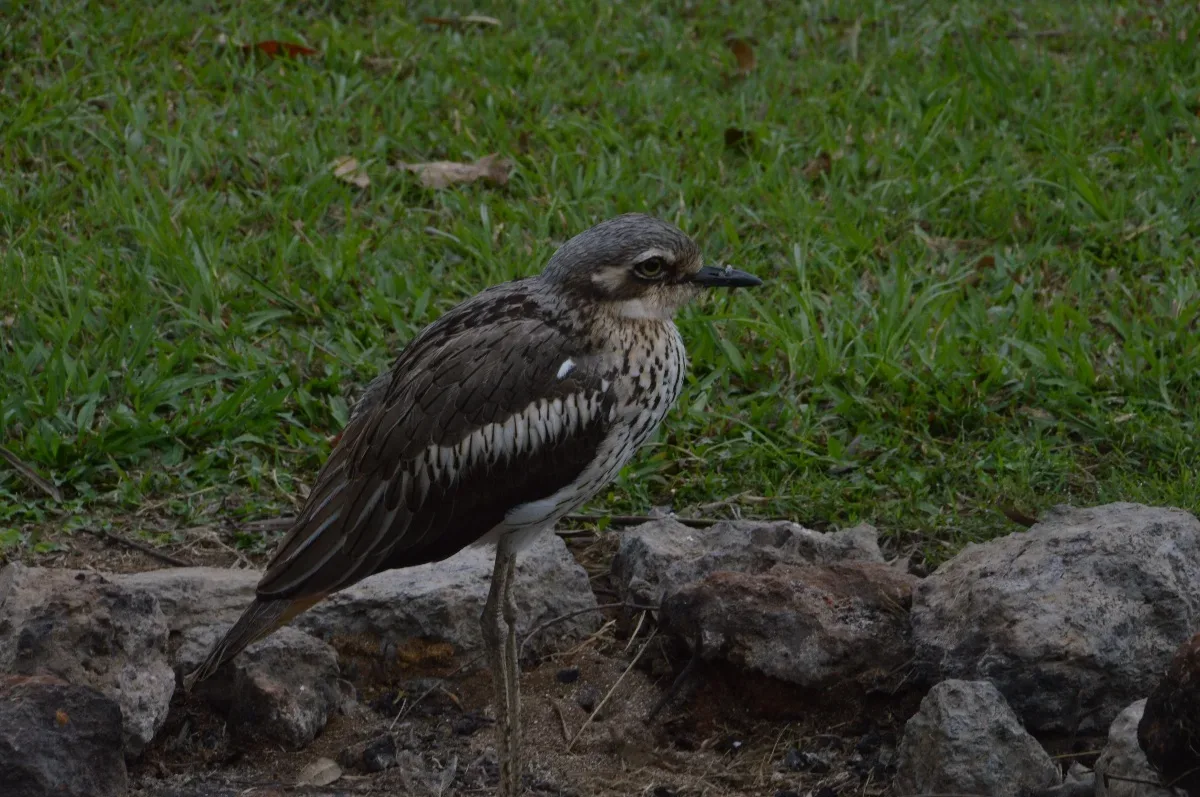
It was in this idyllic setting that we first encountered the bush stone-curlews. At first glance, these birds seemed unremarkable, blending into the surrounding environment. But as we observed them further, their odd, almost unsettling demeanour became apparent. With their piercing yellow eyes and haunting calls, these are without a doubt the weirdest birds we have ever seen.
Their stillness was unnerving. One moment they’d be there, statuesque on the lawn.
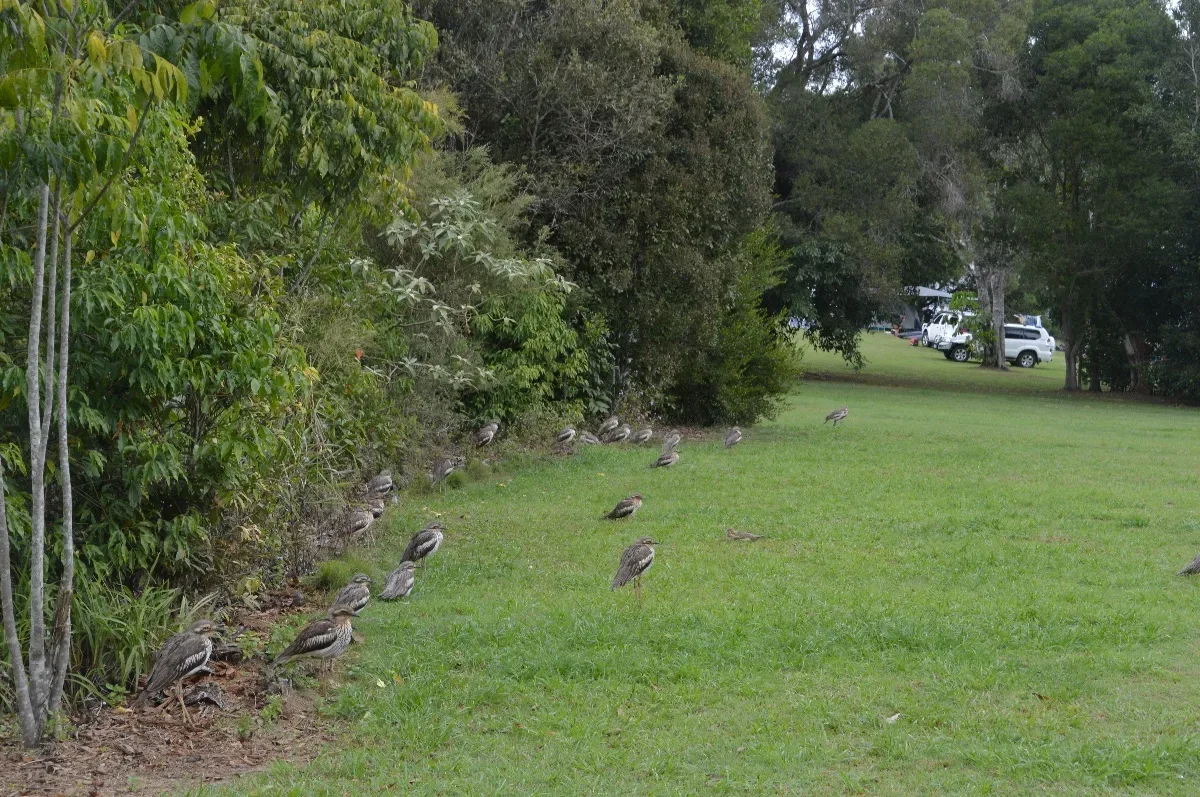
The next, they’d be gone, vanished into the foliage as if they were never there. It became something of a game for us – trying to spot them and document them before they disappeared again.
What was particularly striking, and somewhat comical, was their reluctance to move. They seemed to prefer to simply squat where they were, relying on their camouflage to protect them. This led to some amusing incidents as people wandered perilously close before suddenly noticing the motionless birds.
Up close, they are quite striking. The mottled brown and grey plumage provides excellent camouflage, allowing them to blend seamlessly into their surroundings.
Lake Tinaroo itself is a beautiful expanse of water, reflecting the sky and surrounding hills in its tranquil surface. The lake and surrounding area is a haven for wildlife, and the location remains, to this day, one of our favourite places in Australia. We have returned many times since this visit, and each time, its charm remains undiminished.

Following our visit to the remarkable Curtain Fig Tree, our travels took us to Malanda Falls. While not Niagara, the allure of flowing water holds a distinct appeal, especially for individuals accustomed to the drier landscapes of Western Australia.
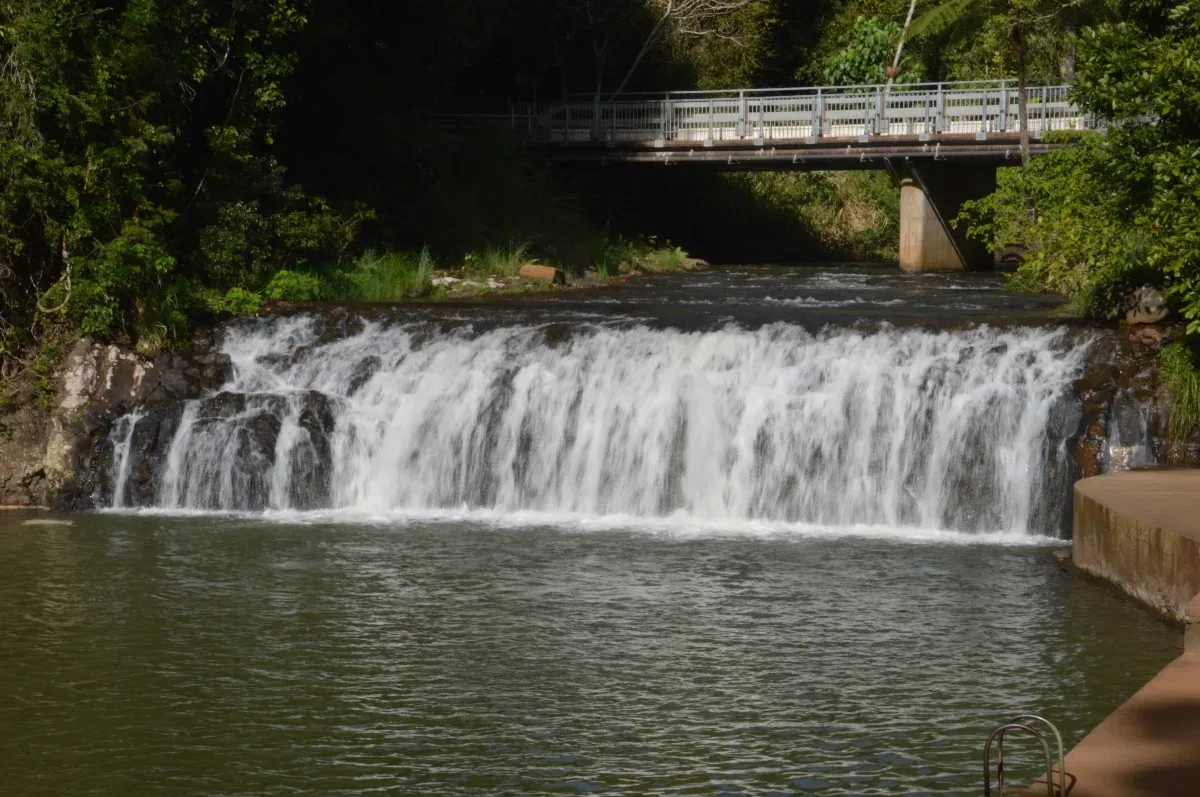
The falls themselves are formed where the Malanda Creek cascades over a basalt lava flow. This geological feature is a remnant of the Atherton Tableland's volcanic past. The relatively uniform cascade creates a picturesque scene, further enhanced by the lush rainforest that surrounds the area. The town of Malanda grew around the dairy industry, a vital enterprise in this region.
The viewing platform provides a good vantage point to appreciate the falls. It’s a particularly rewarding scene after a period of rain when the creek is flowing at full capacity.
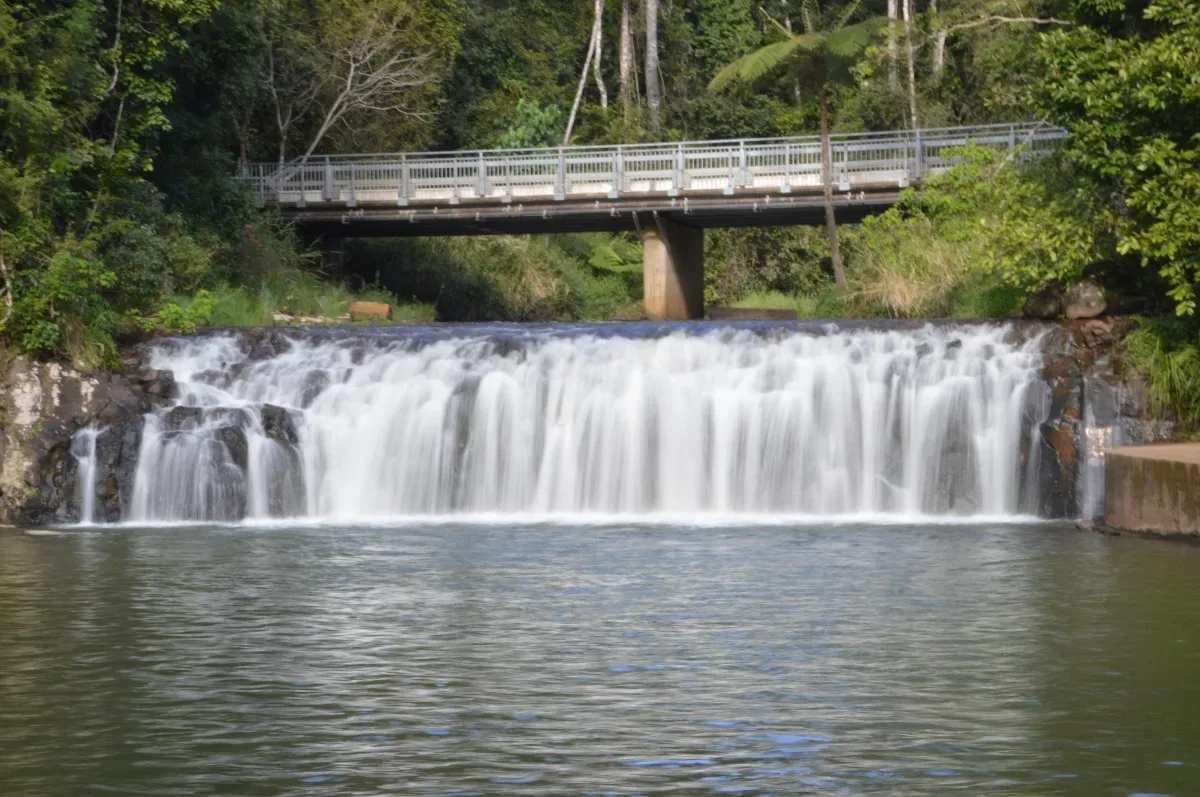
There is something inherently calming about watching water tumble, even if it isn't on the scale of Victoria Falls.
The falls are also a popular spot for a refreshing swim. The water is clear and cool, offering a welcome respite from the Queensland heat. We also spotted a couple of kookaburras in a nearby tree.
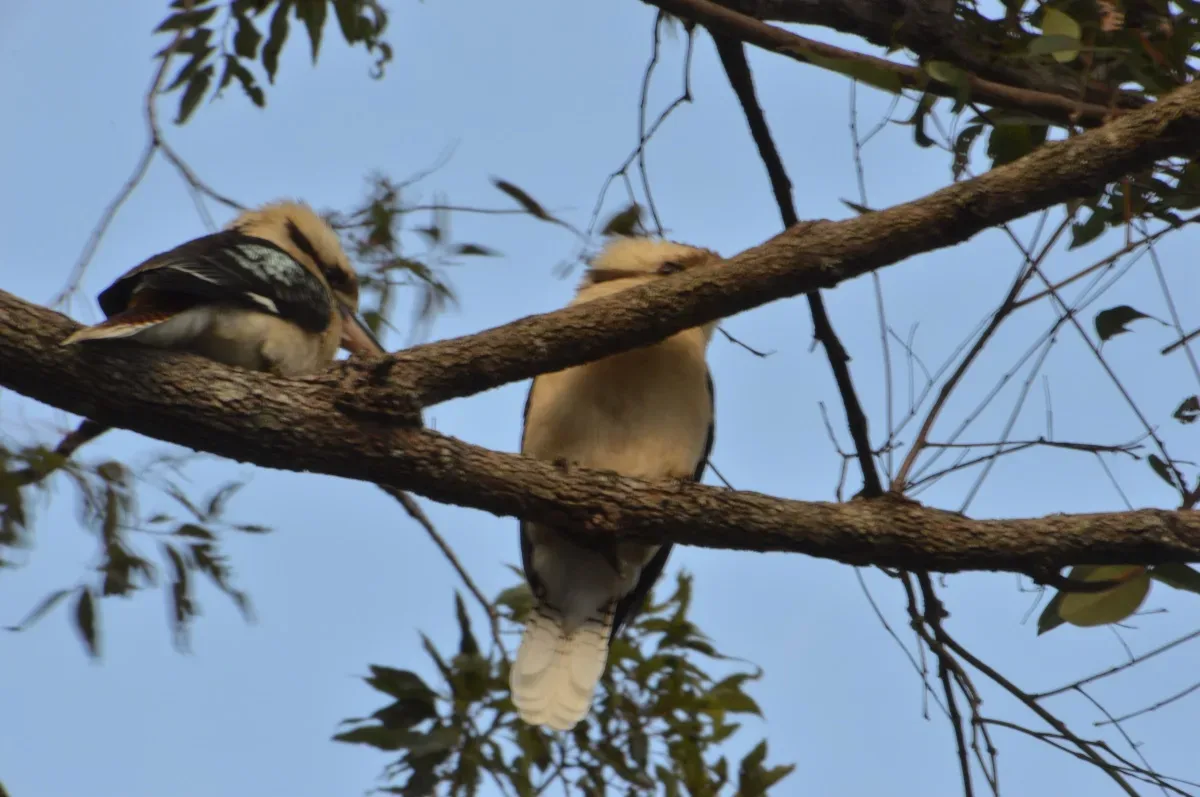
They looked rather unimpressed with our presence, but we were happy to observe them from a respectful distance. Overall, Malanda Falls proved to be a relaxing and visually pleasing end to the day's adventures.
Trip Gallery


