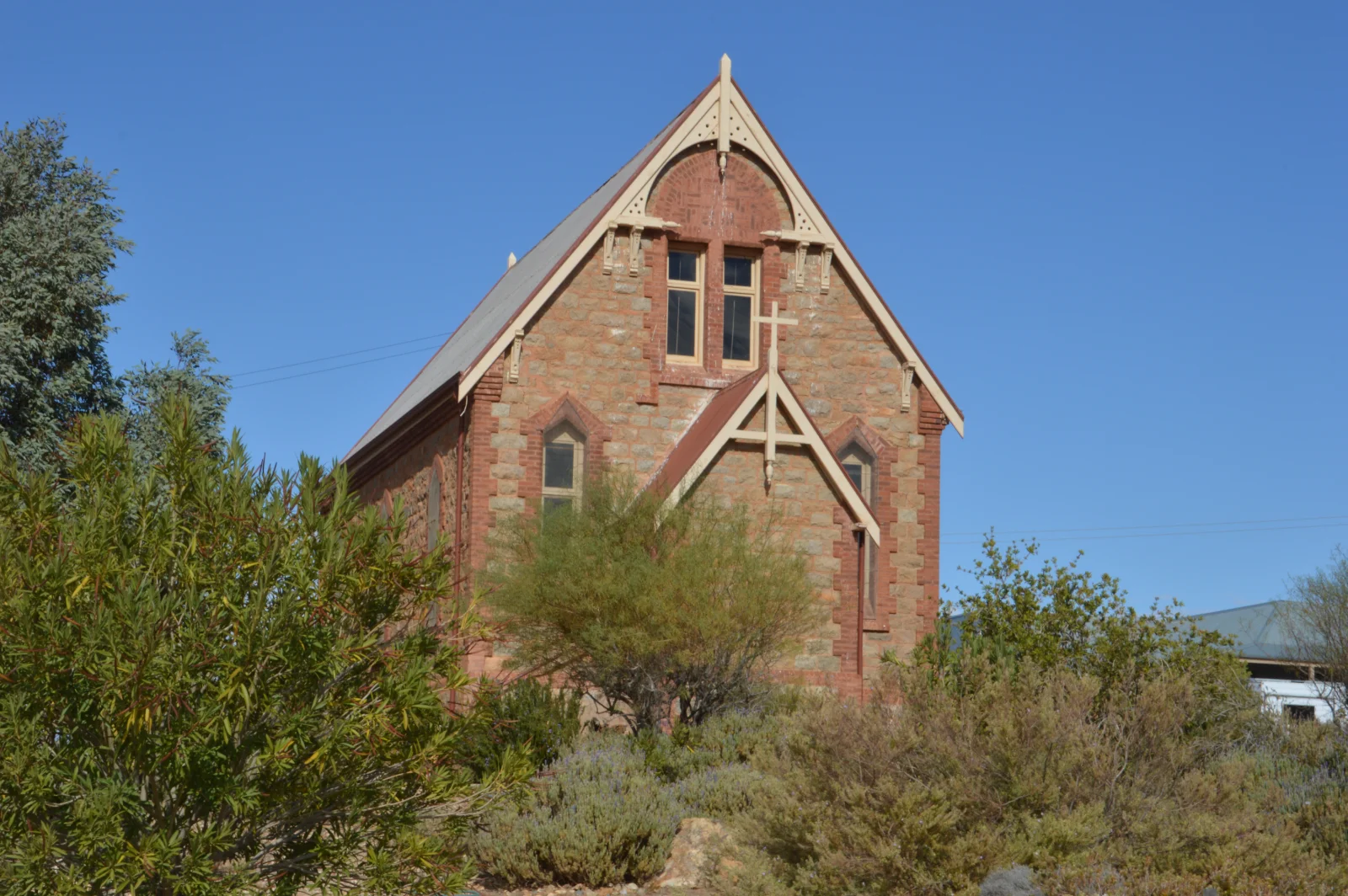
Standing in Silverton's dusty main street, you can almost hear the echoes of a town that once rivalled Broken Hill. It's hard to believe now, looking at this quiet collection of historic buildings, but in the 1880s this place was absolutely booming—nearly 3,000 people called it home, all chasing silver fortunes in the unforgiving outback.
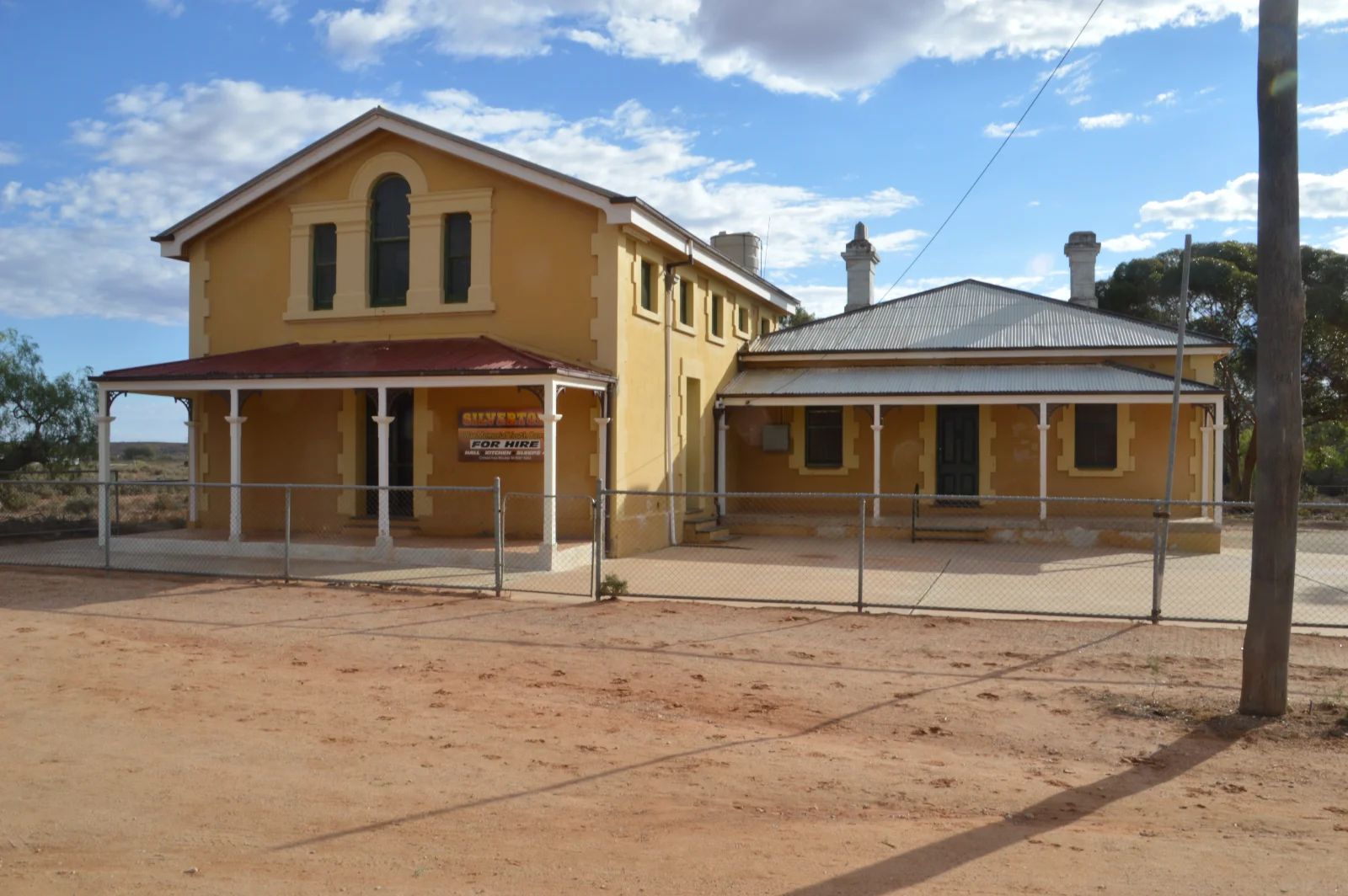
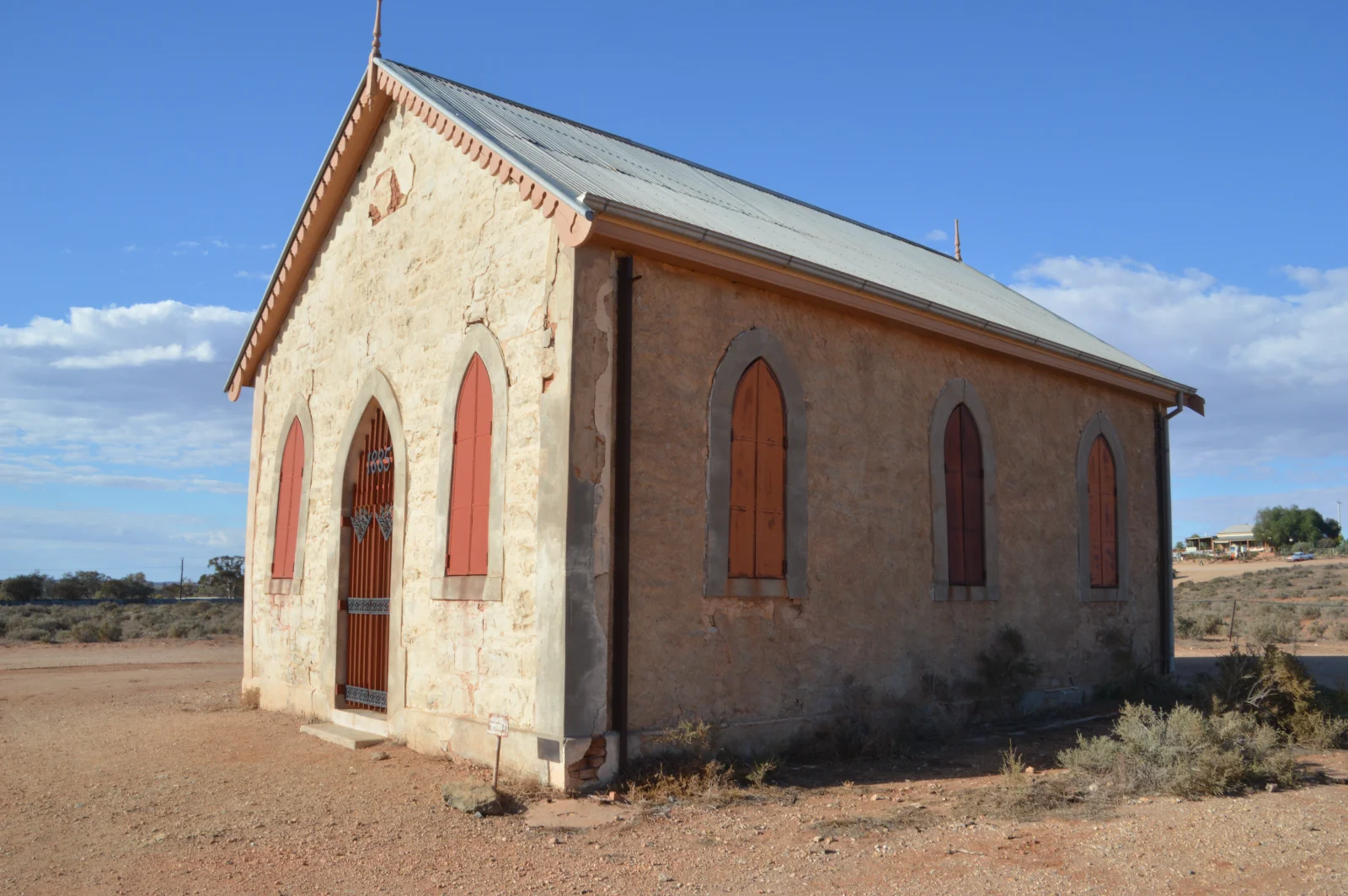
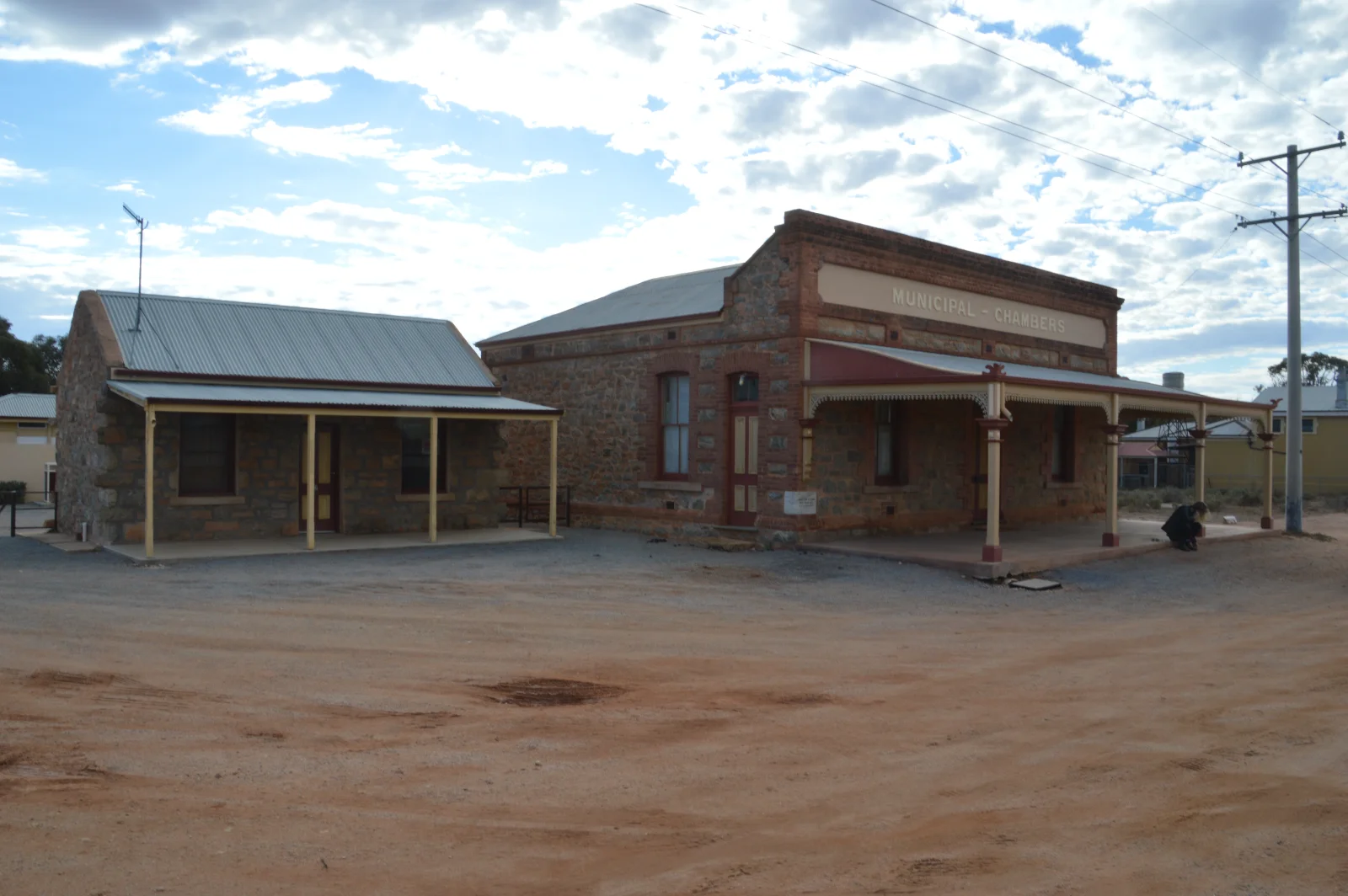
The story begins in 1883 when rich silver deposits were discovered in these harsh hills west of the Barrier Ranges. Within months, Silverton exploded into existence. It wasn't just a ramshackle mining camp either—this was a proper town with ambitions. The miners and merchants built substantial structures: that magnificent two-storey Municipal Chambers in red brick, the elegant sandstone hotel with its wraparound verandah, even a proper church with Gothic arched windows. These weren't temporary buildings; they were statements of confidence in Silverton's future.
The town played a crucial role in opening up this corner of New South Wales. It was the first major settlement in the area, establishing vital infrastructure and proving that people could survive—even thrive—in this harsh climate. The railway came through, connecting Silverton to the wider world. At its peak, the town boasted hotels, shops, a post office, and all the trappings of civilisation transported to the red earth of the outback.
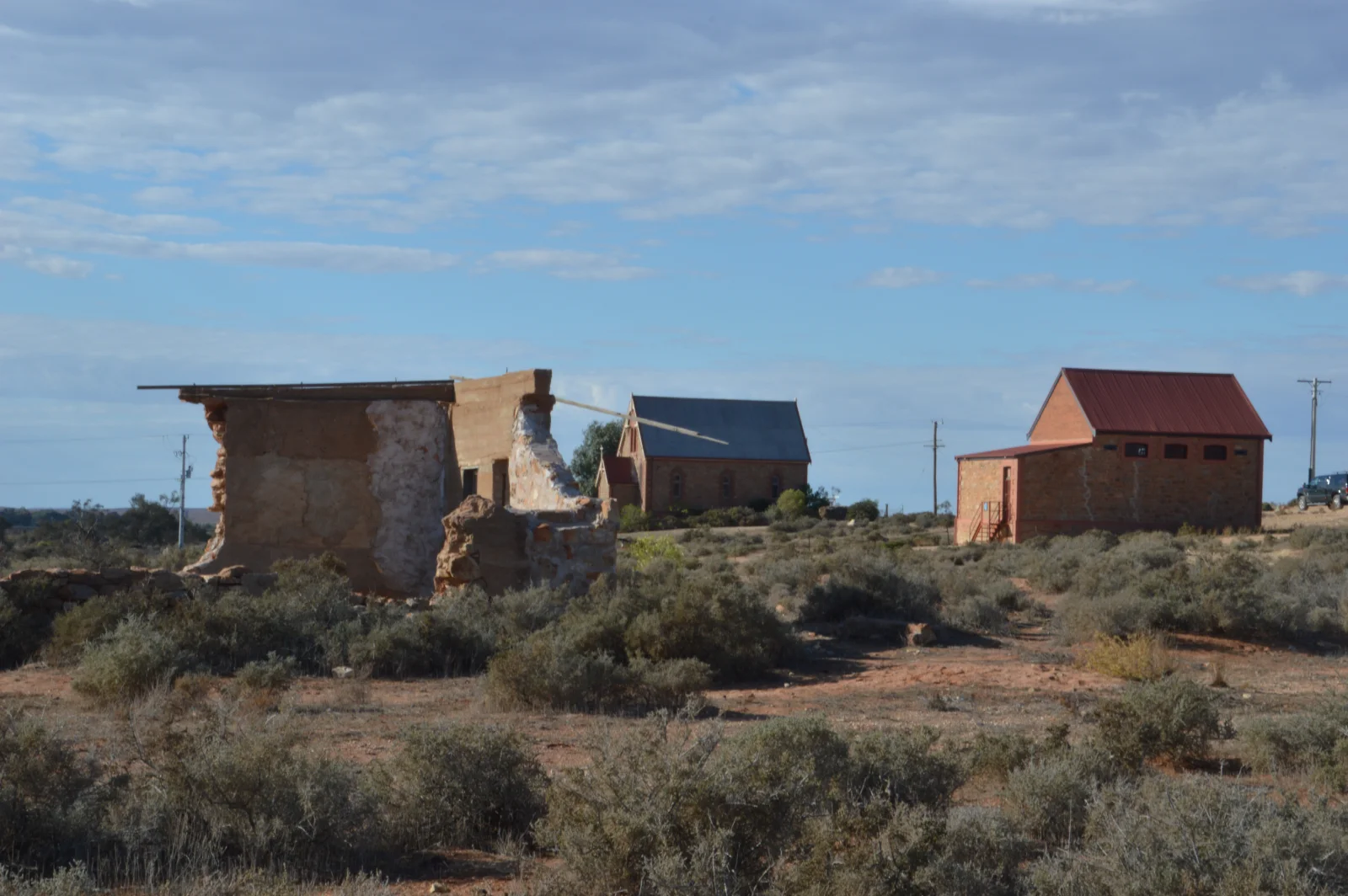
But fortunes shifted as quickly as they'd arrived. When even richer deposits were found at Broken Hill just 25 kilometres away, Silverton's fate was sealed. By the early 1890s, entire buildings were being dismantled and carted off to the new boom town. The population drained away, leaving behind these beautiful stone and brick shells—monuments to ambition and the fickleness of mining luck.
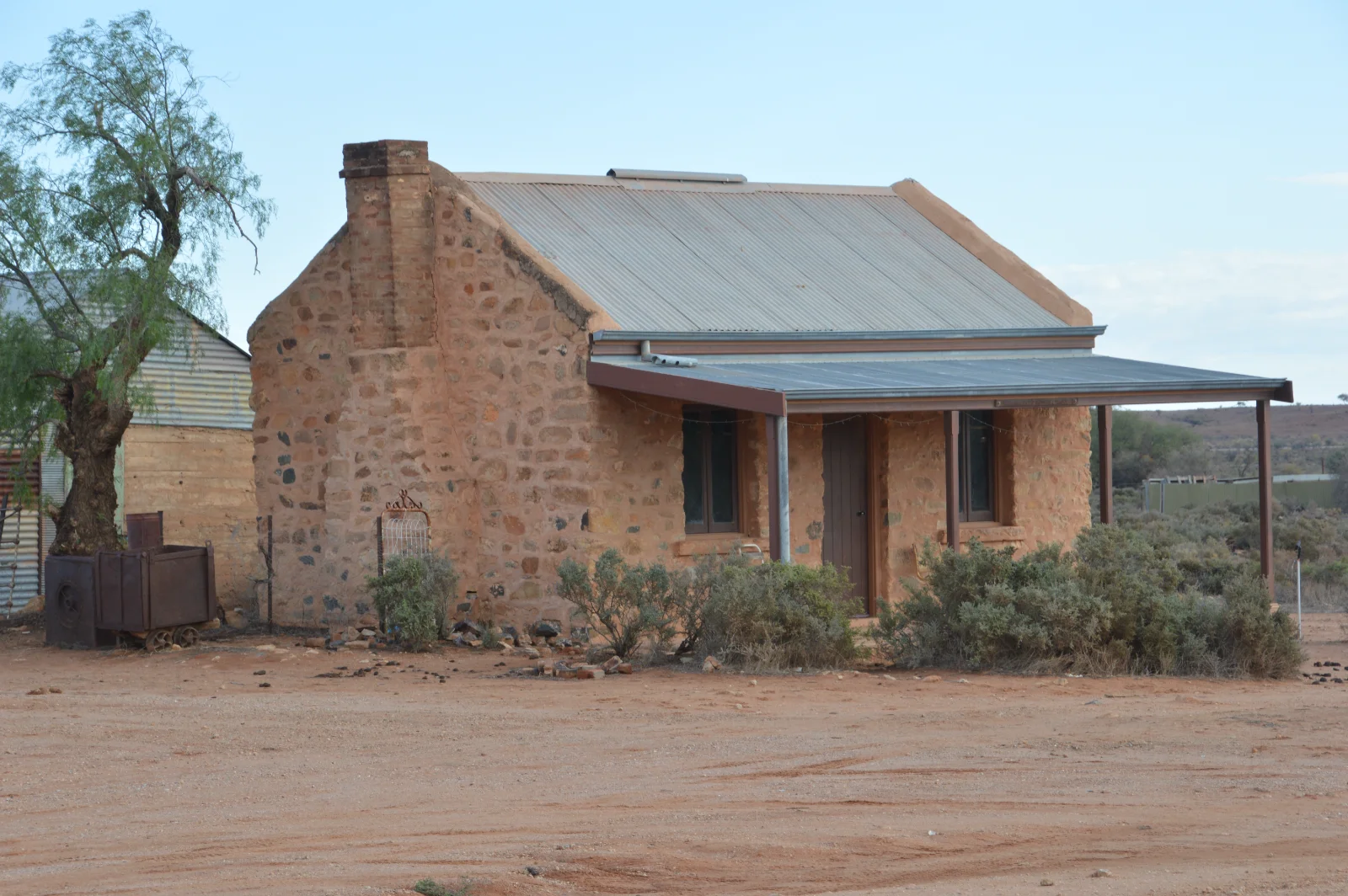
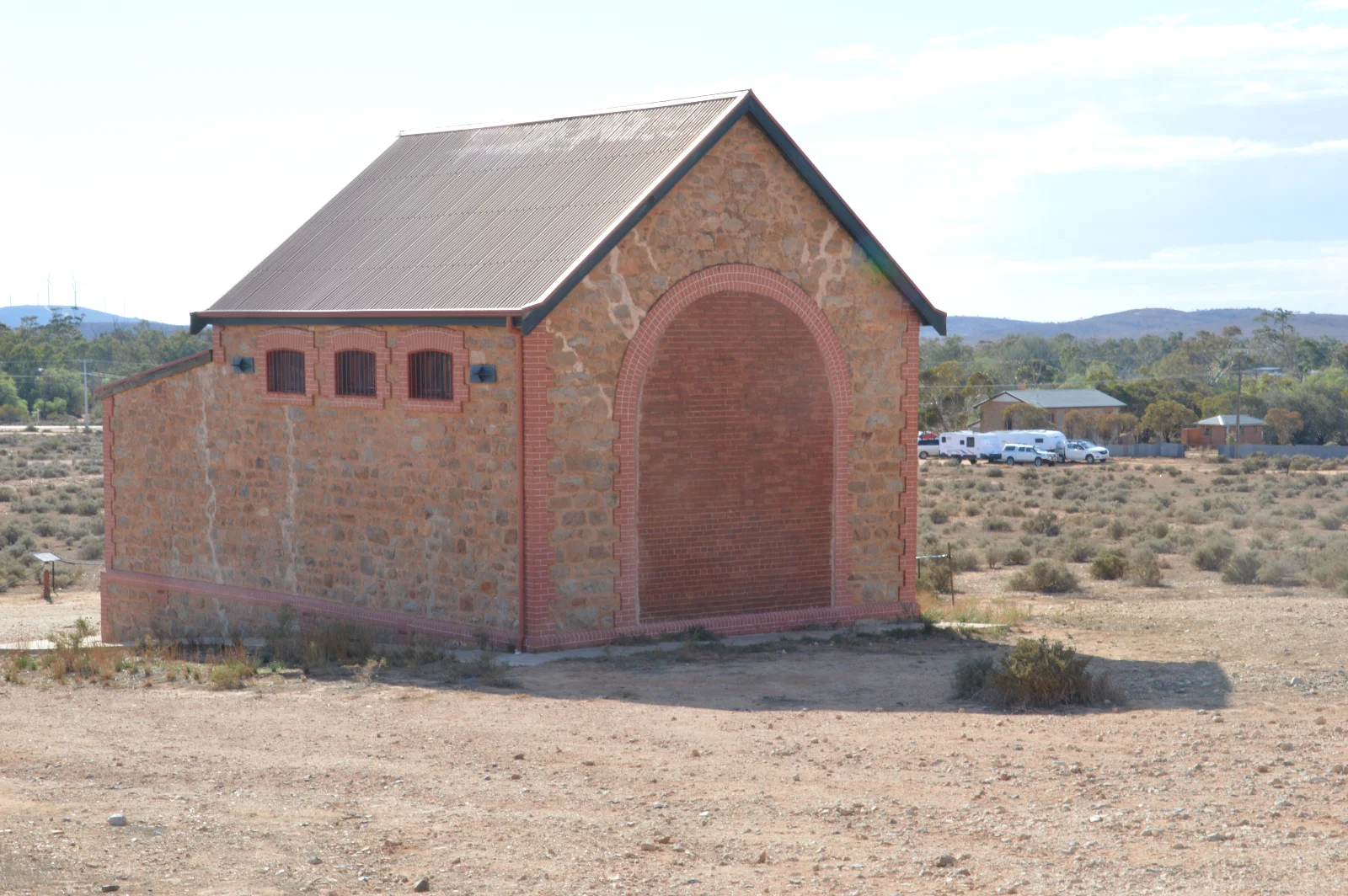
What remains is fascinating. Walking past the old gaol with its small barred windows, the cottage with its red-brown sandstone walls and essential water tank, you're seeing genuine outback pioneer architecture. These buildings tell the story of how colonial Australia pushed into the interior, building European-style settlements in one of the harshest environments imaginable.
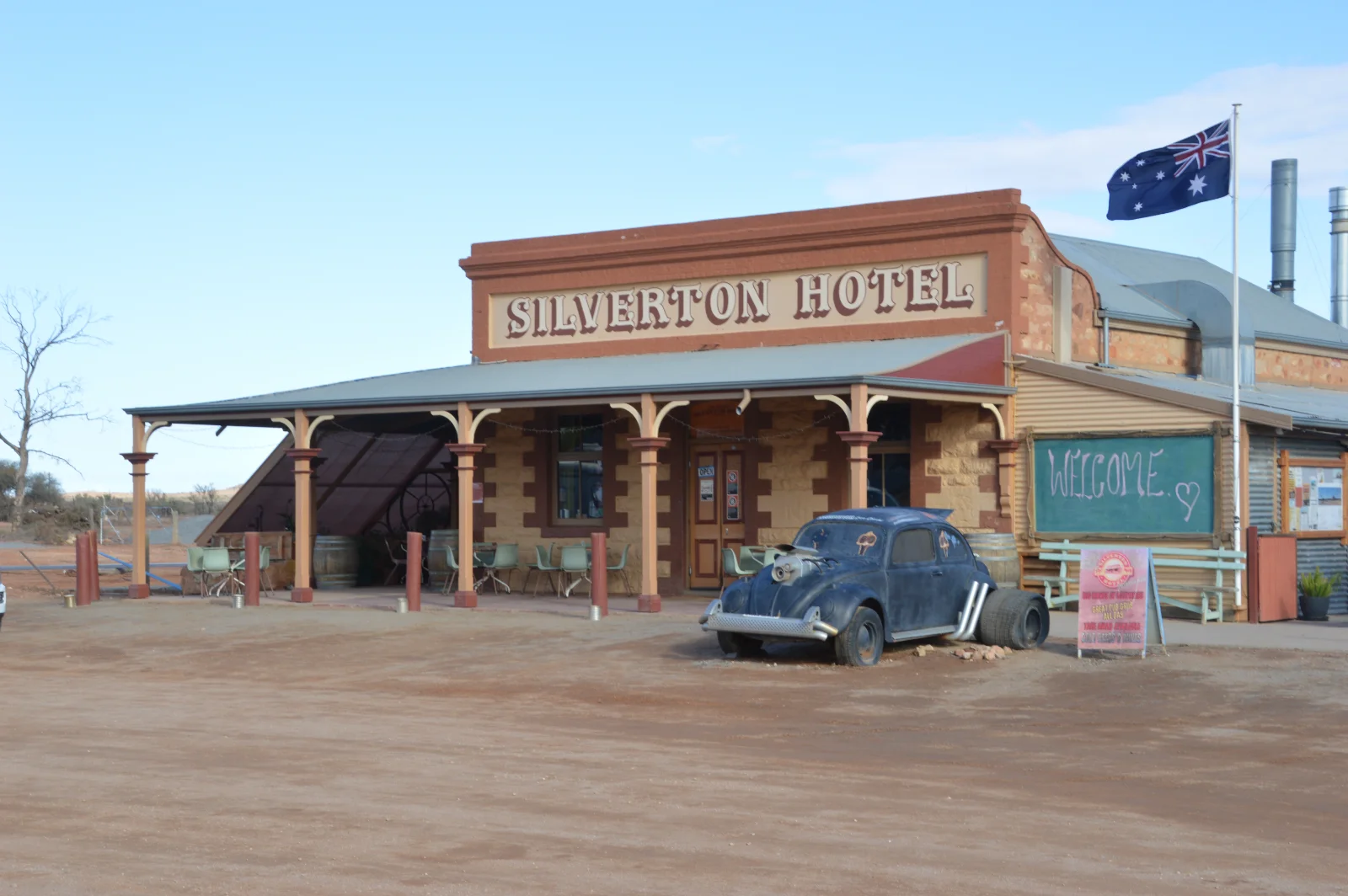
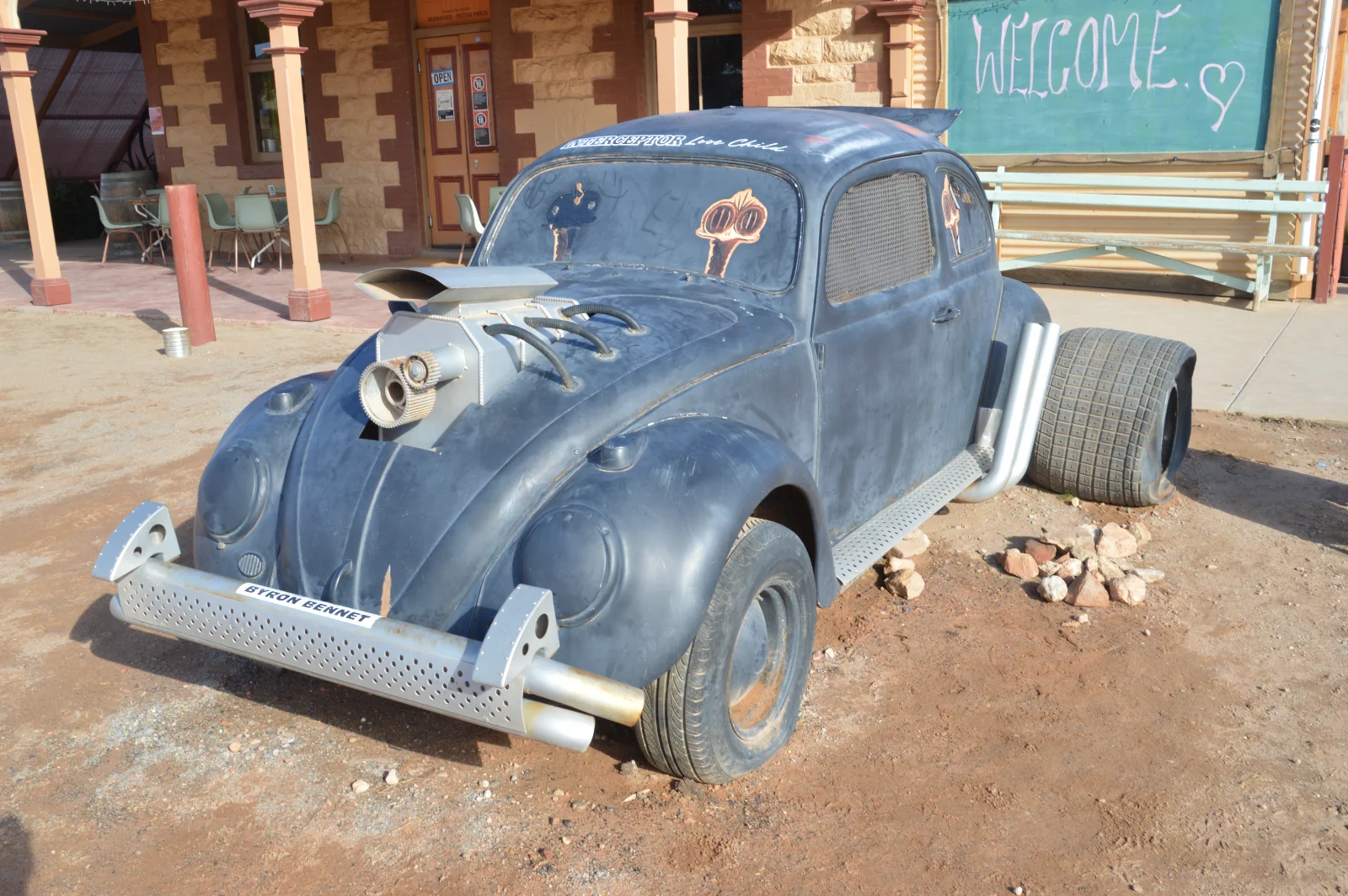
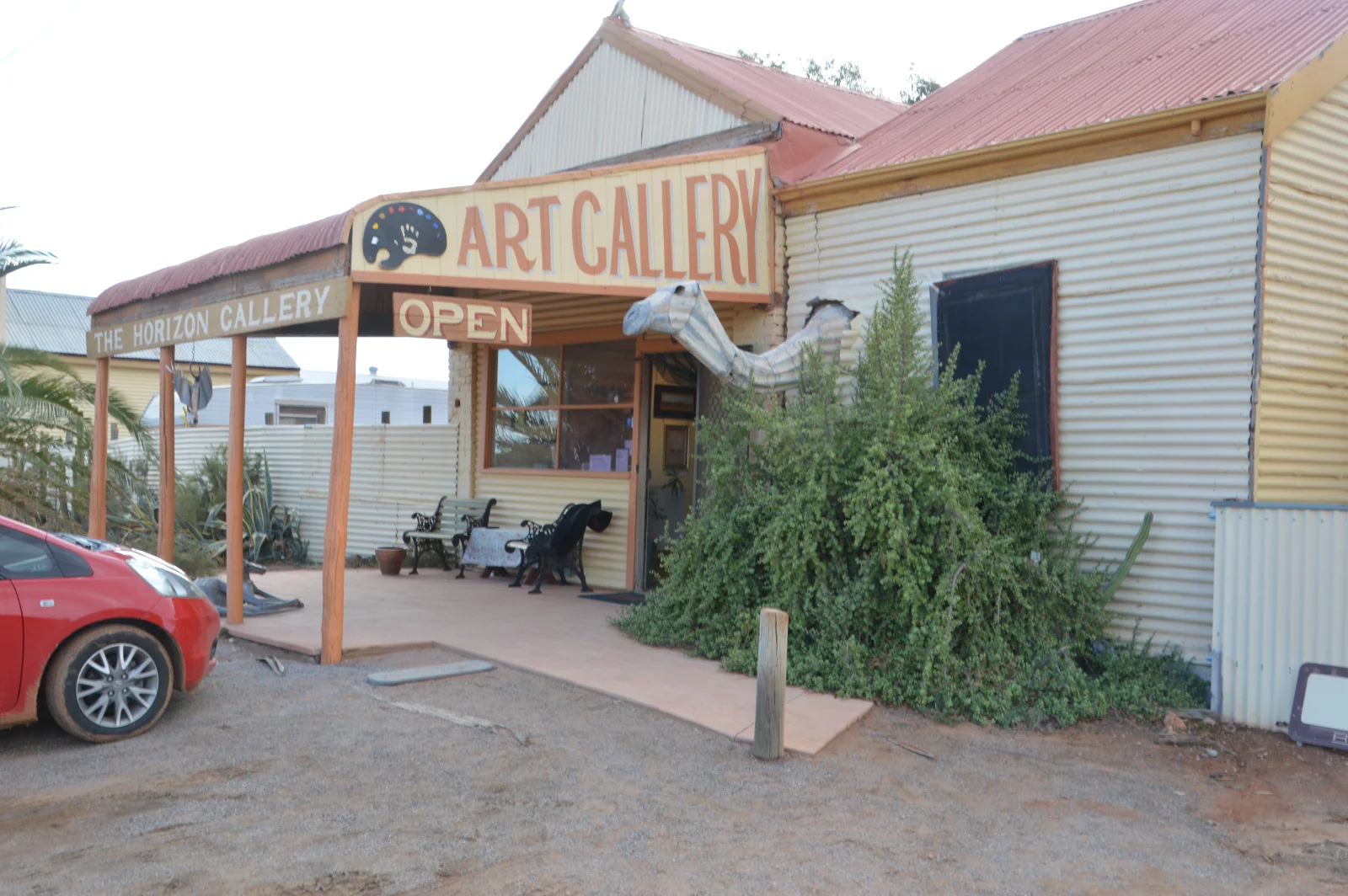
Today, Silverton's reinvented itself as an artists' colony and film location—that modified blue Beetle outside the pub is pure Mad Max country. But it's the history that captivates me. This little town helped establish the infrastructure and proved the viability of settlement that made the development of western New South Wales possible. Not bad for a place that barely lasted a decade in its glory days.