There's something profoundly moving about standing before a dwelling built from flattened kerosene tins. In Poochera, a small one-pub town on the Eyre Peninsula, Peter's Humpy offers a sobering glimpse into the harsh realities of outback life that history books often gloss over.
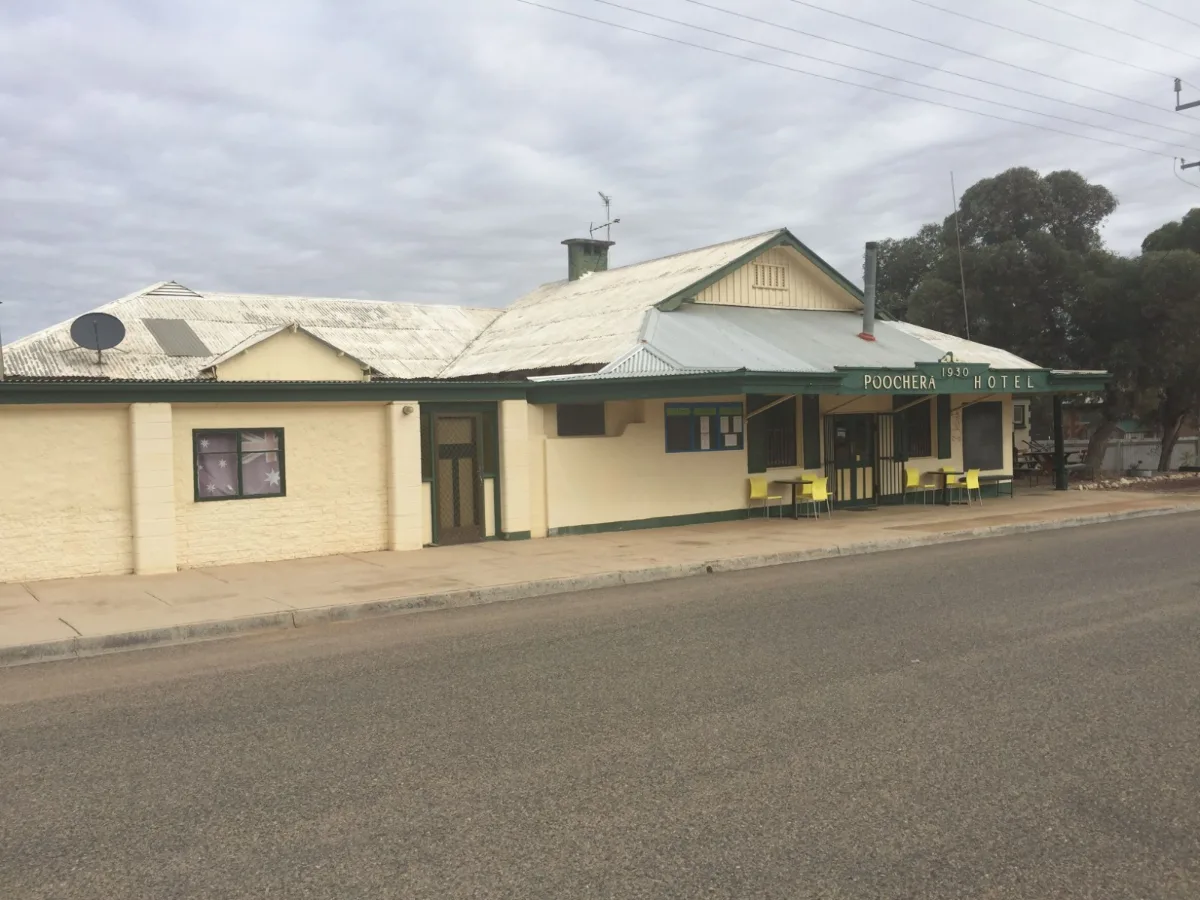
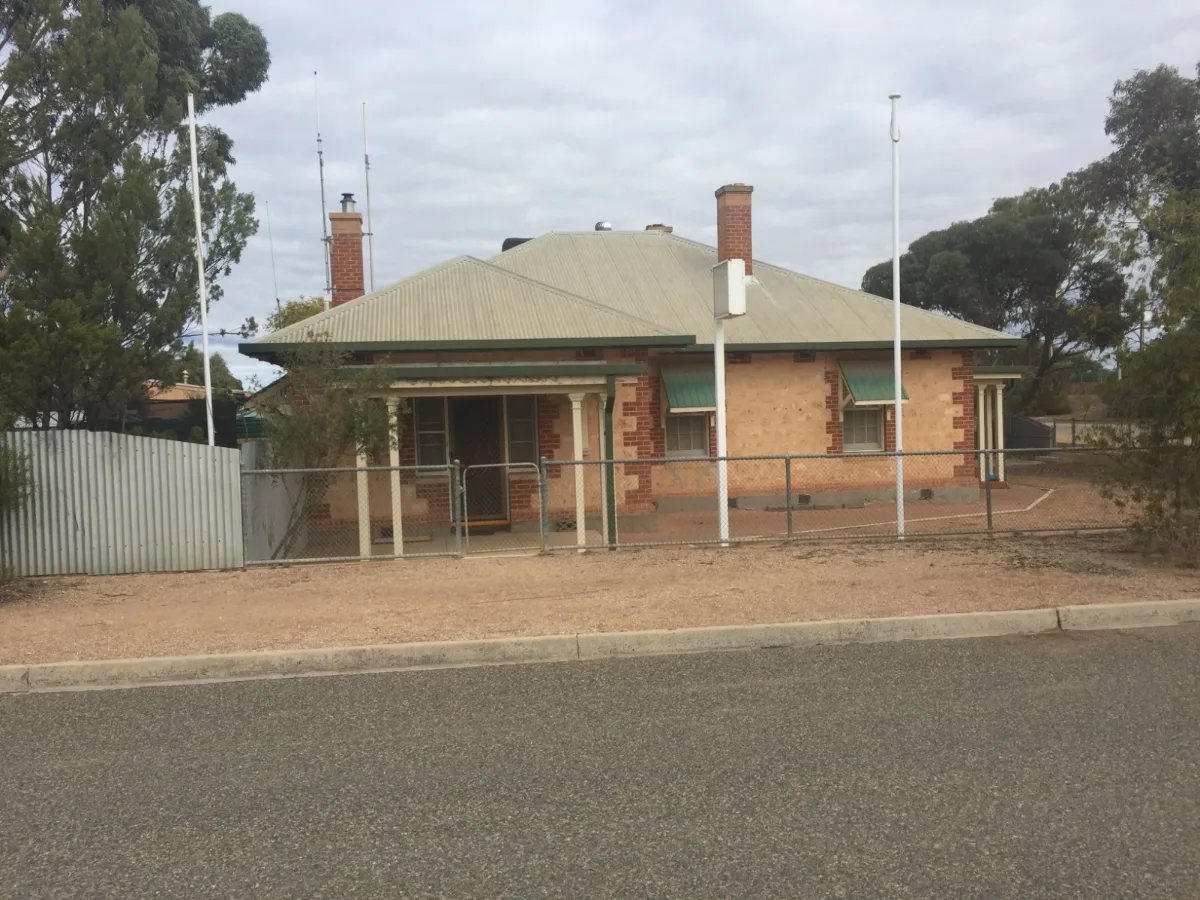
We pulled into Poochera mid-morning, the sun already fierce overhead. The town itself is what you'd call quintessential outback Australia—the historic Poochera Hotel from 1930 anchors the settlement with its cream walls and green trim, yellow chairs lined up on the verandah like patient sentries. A few red-brick buildings with corrugated iron roofs round out the streetscape. It's the kind of place where you can count the structures on one hand.
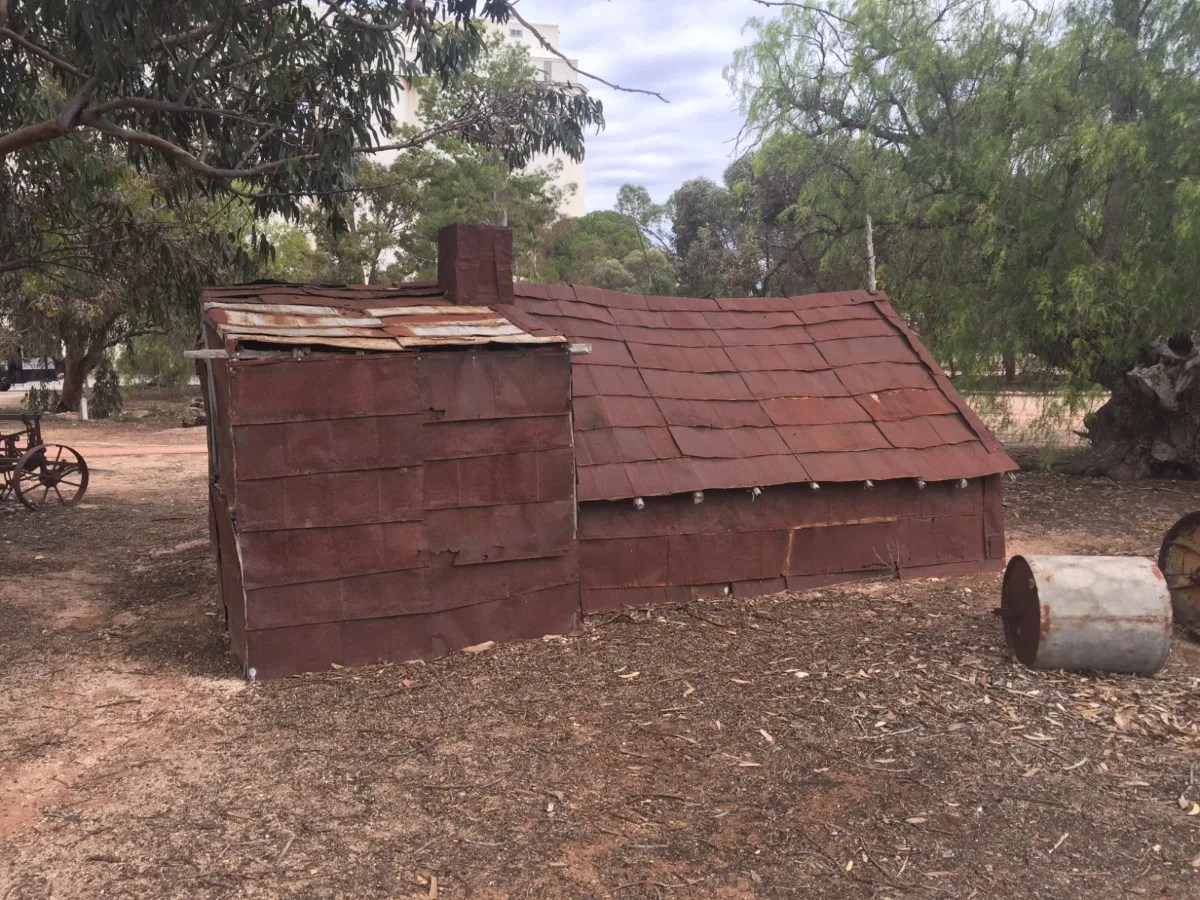
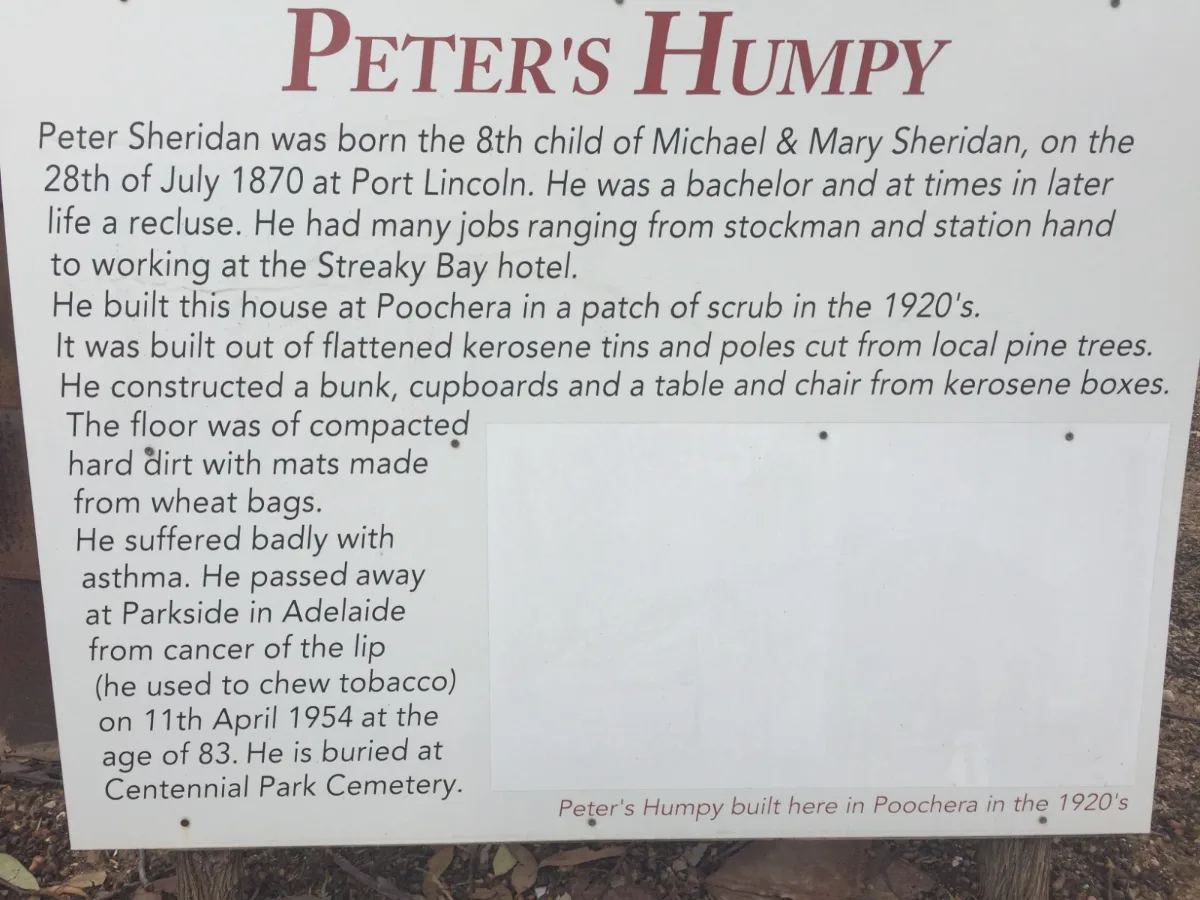
But it's Peter's Humpy that stopped us in our tracks. According to the heritage sign, Peter Sheridan was born in 1870 at Port Lincoln and eventually found his way here in the 1920s. What he built wasn't born of romantic notions about simple living—it was survival architecture in its purest form. Flattened kerosene tins for walls and roof, local pine poles for the frame, furniture fashioned from kerosene boxes, and a dirt floor covered with wheat bag mats.
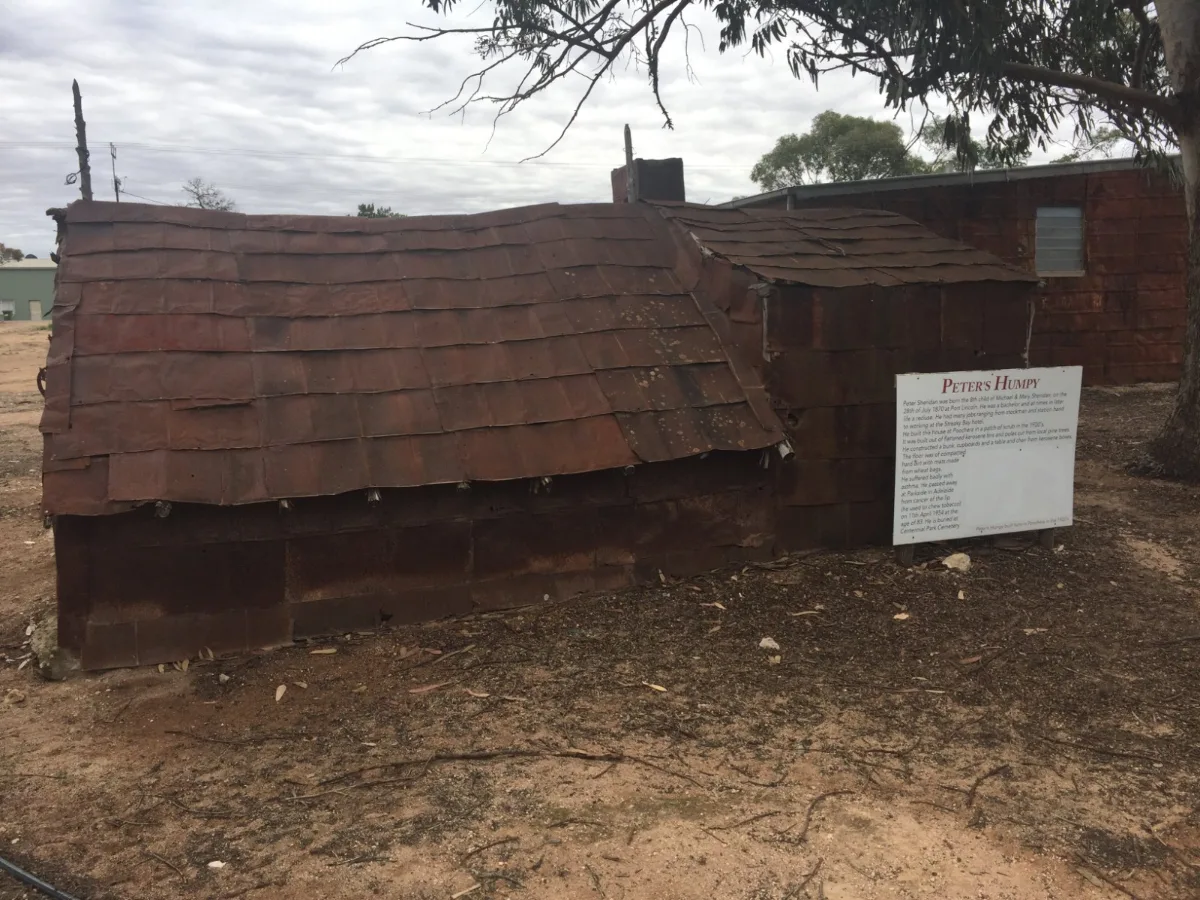
Standing there with Lisa, camera in hand, I tried to imagine sleeping in that space during summer, when the corrugated tin would have turned it into an oven. Or winter, when every gap between those flattened tins would have whistled with cold wind. The brick chimney speaks to at least some comfort, but this was hard living by any measure.
What strikes me most is how the community has preserved Peter's Humpy. It sits there among native trees and old farm equipment, not prettified or reconstructed, but honest in its weathered state. The rust tells its own story, as does the bare earth beneath.</p>
These are the places that matter on a journey like the Big Lap—not just the spectacular coastal vistas or the famous landmarks, but these quiet testaments to the people who carved out existence in this unforgiving country. Poochera reminds us that Australia's story isn't always grand; sometimes it's told in flattened kerosene tins and the determination to call a hard place home.