Sometimes the best adventures happen when you head off the beaten track with a good mate. My friend Steve T and I decided to tackle a proper 4WD expedition into the Little Sandy Desert - four days of red dust, rough tracks, and the kind of country that demands respect.
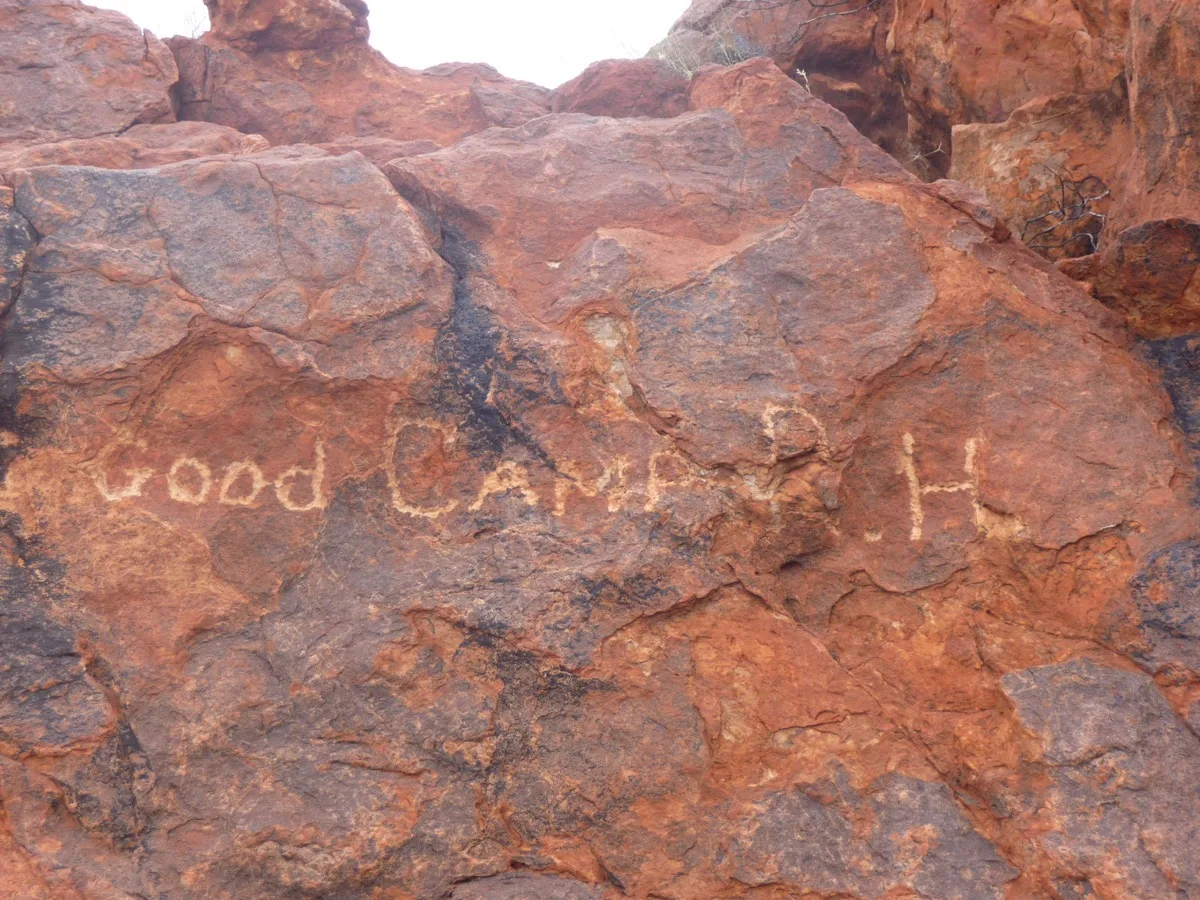
We were chasing water sources marked by the legendary Peter Muir, and what a chase it was. For those who don't know the name, Peter Muir was one of those hard-as-nails doggers and prospectors who made their living in the harshest parts of Western Australia. From the 1930s through to the 1970s, Muir travelled these unforgiving deserts trapping dingoes, prospecting, and exploring places most people wouldn't dream of going. But here's the thing - he didn't just pass through. He documented every vital water source he found, painting his initials 'PM' along with the year on rock faces near waterholes and writing descriptions like 'Good Camp Rock Hole' to help future travelers survive.
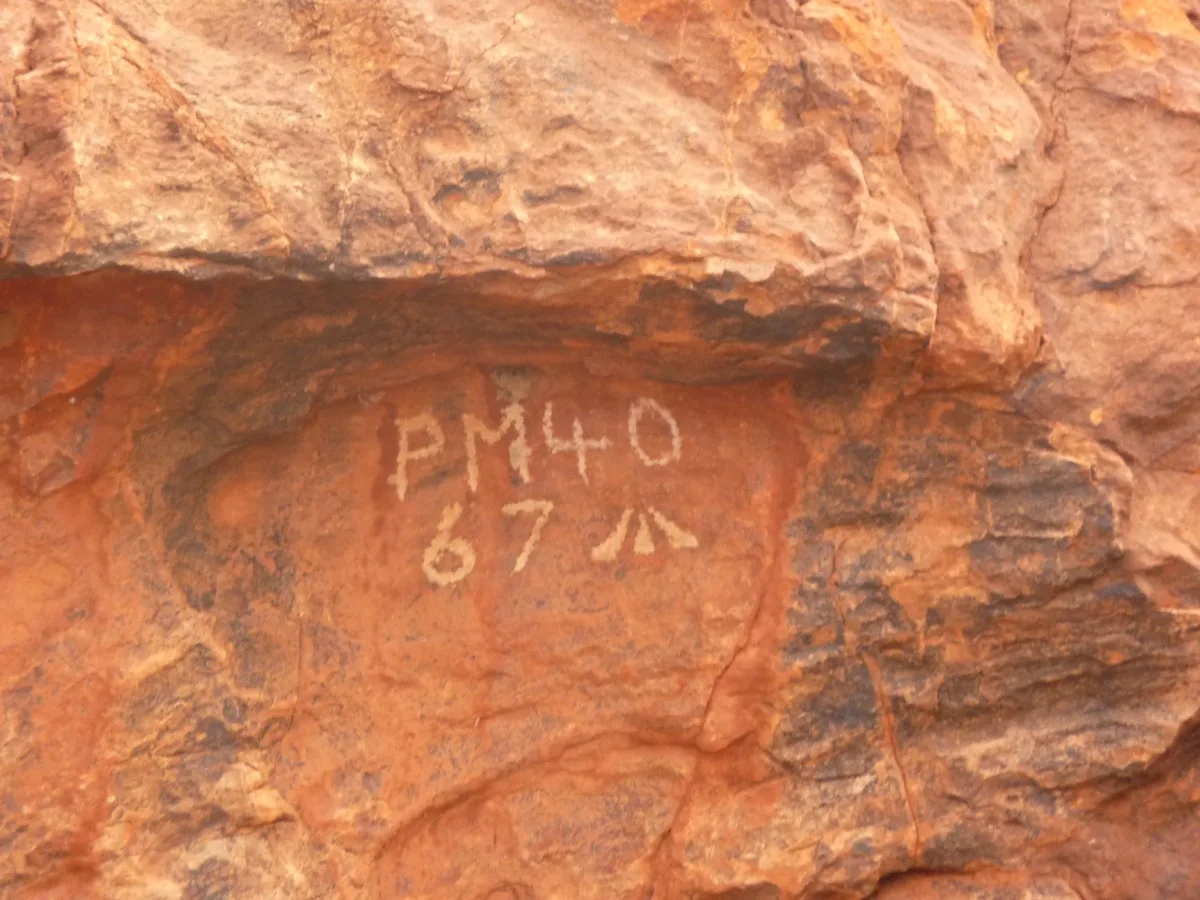
Finding one of his marked sites feels like discovering a piece of living history. We located 'PM 40' painted on a striking red rock face - forty years after his first pass through this country, still legible, still pointing the way to water. Standing there in that ancient landscape, it hit me how valuable this information would have been to anyone following his tracks decades ago.
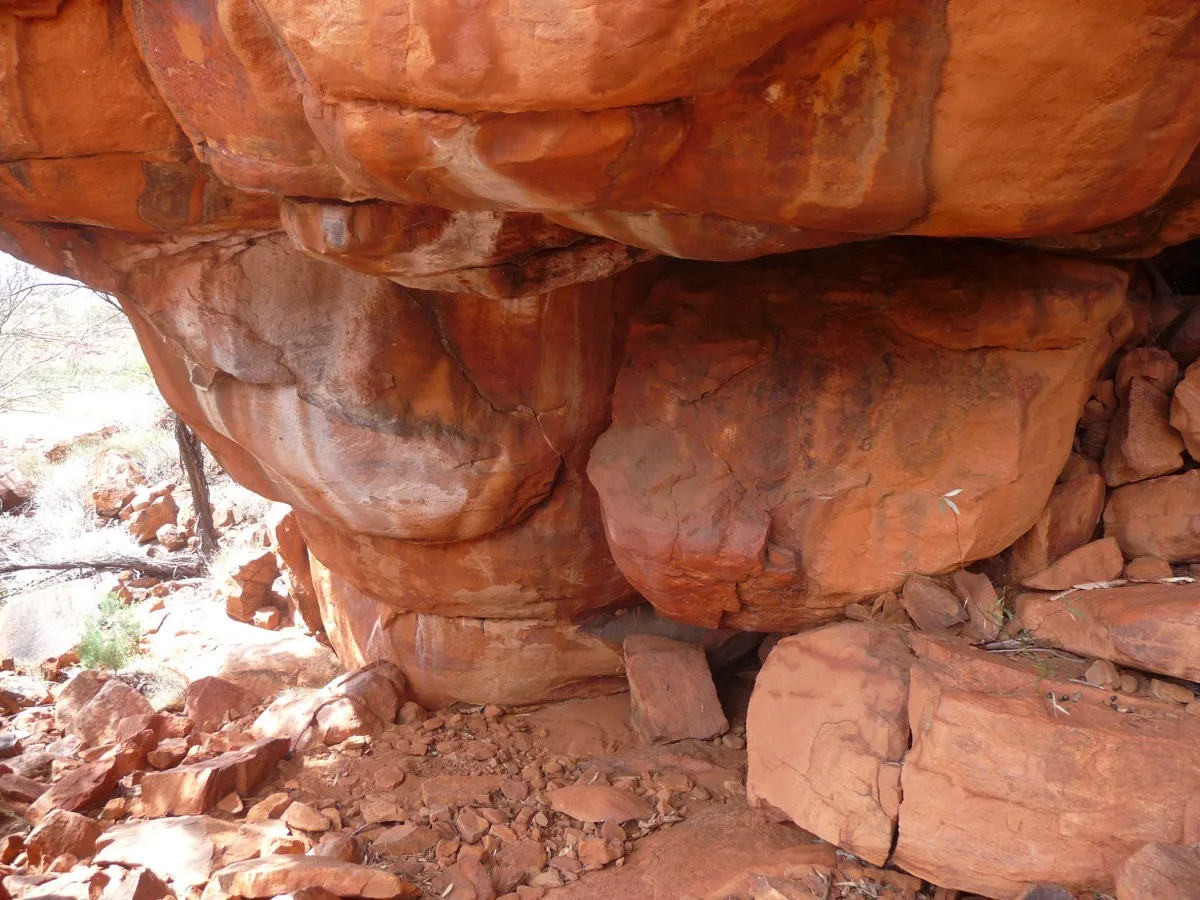
The waterholes themselves are absolutely stunning - crystal-clear pools nestled among layered sandstone formations in every shade of red and orange you can imagine. Ghost gums with their distinctive white bark grow impossibly from the rocks, their reflections perfect in the still water. These aren't just pretty spots; they're lifelines in country that can kill you if you're not prepared.
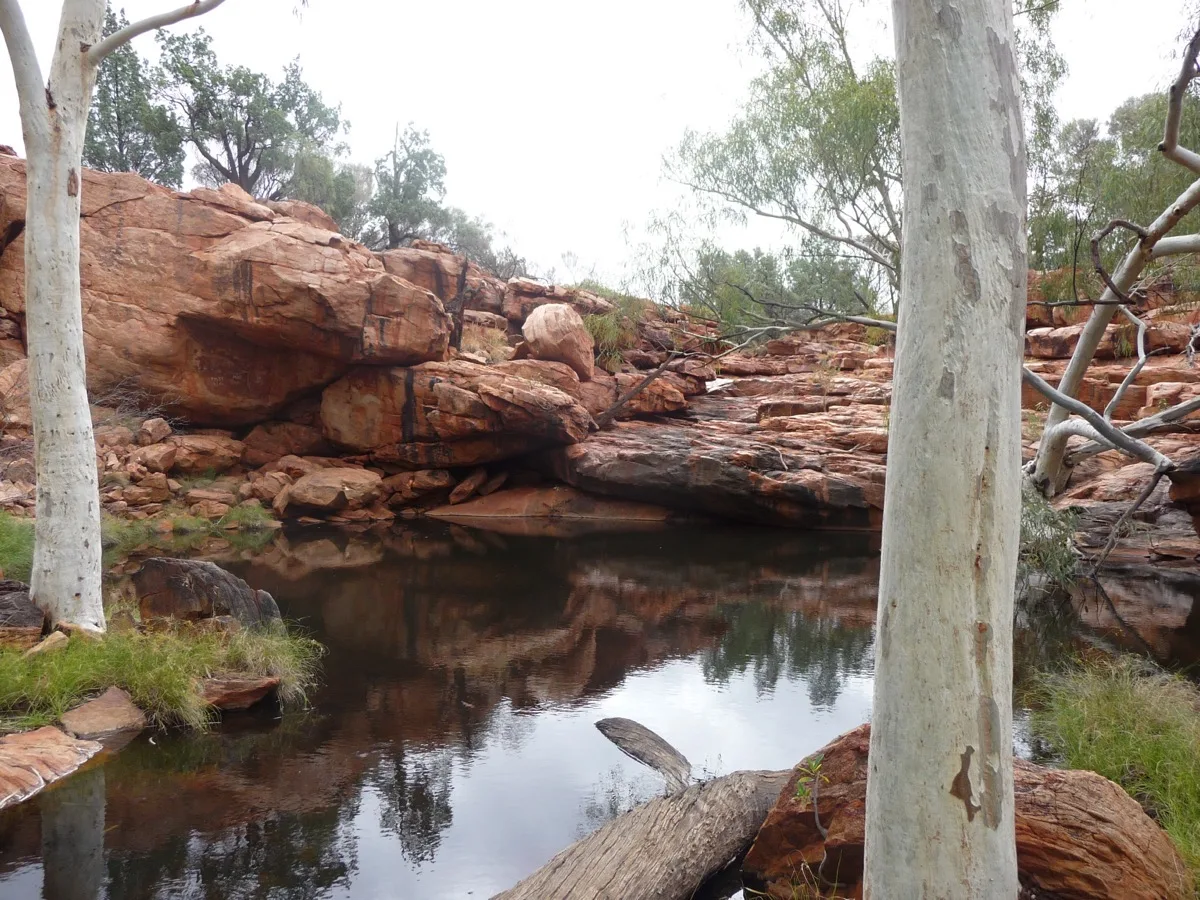
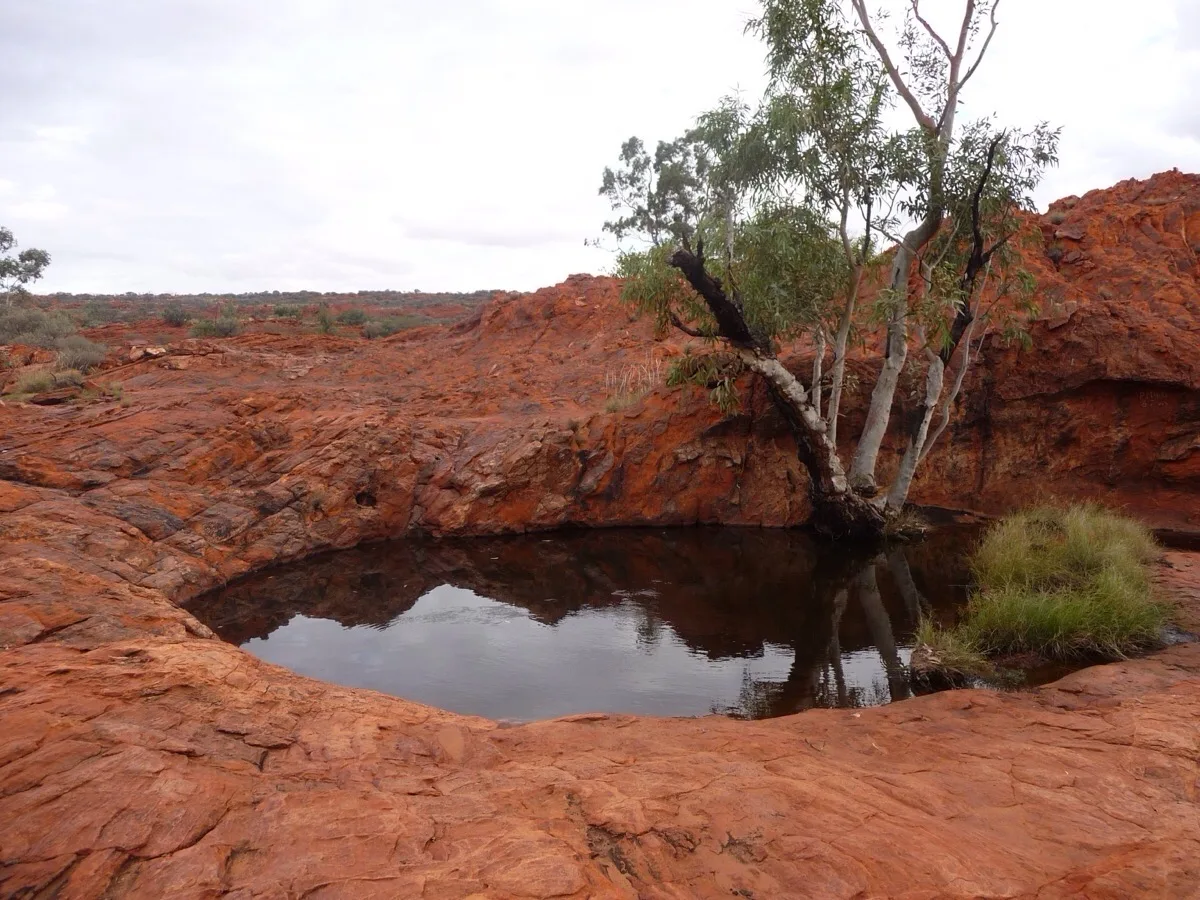
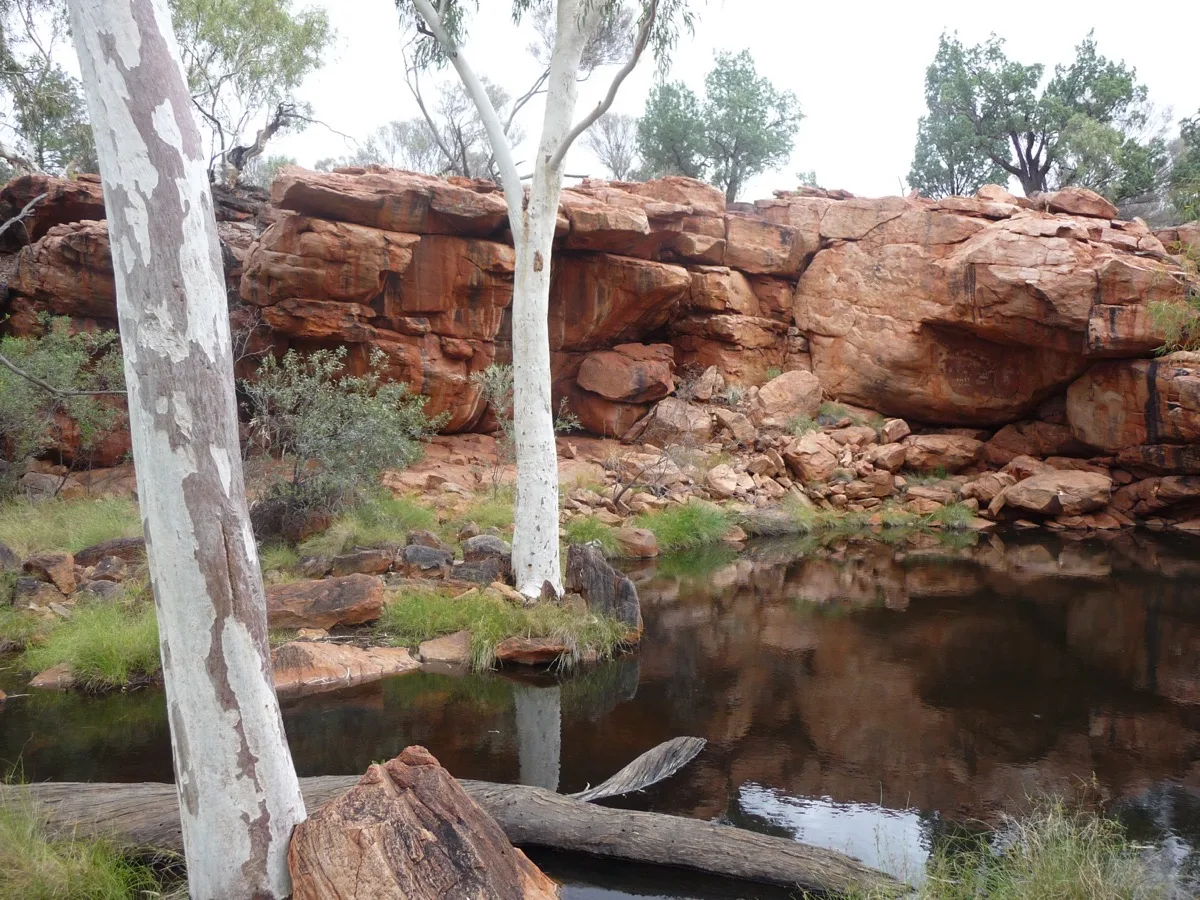
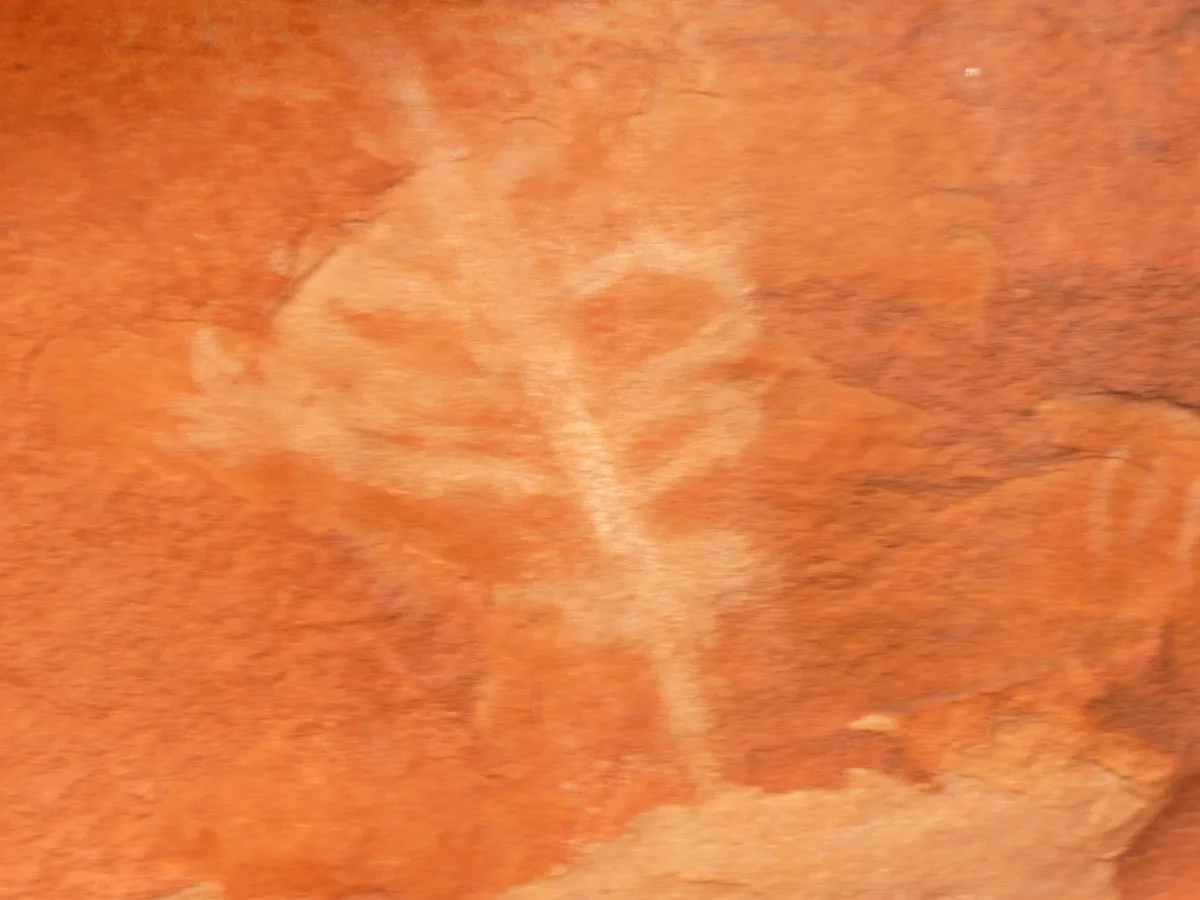
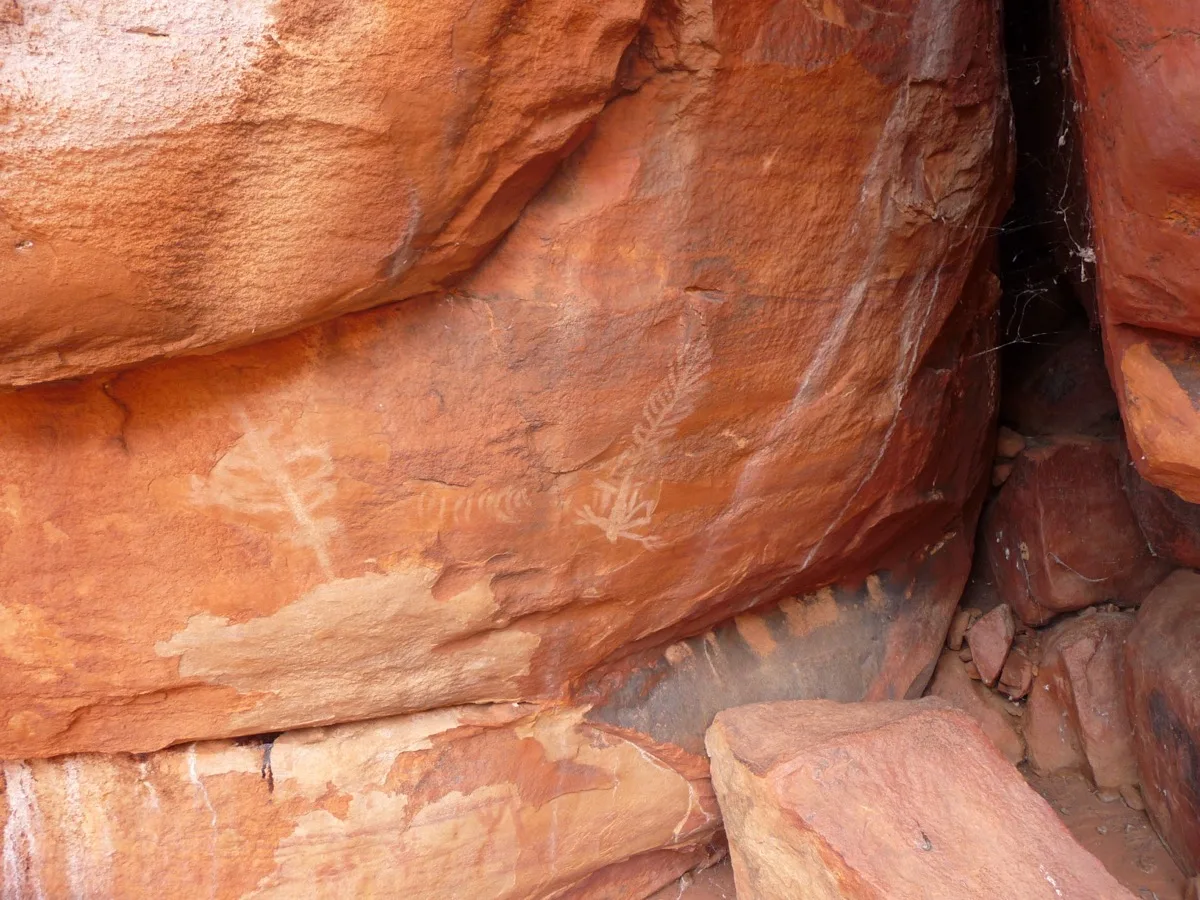
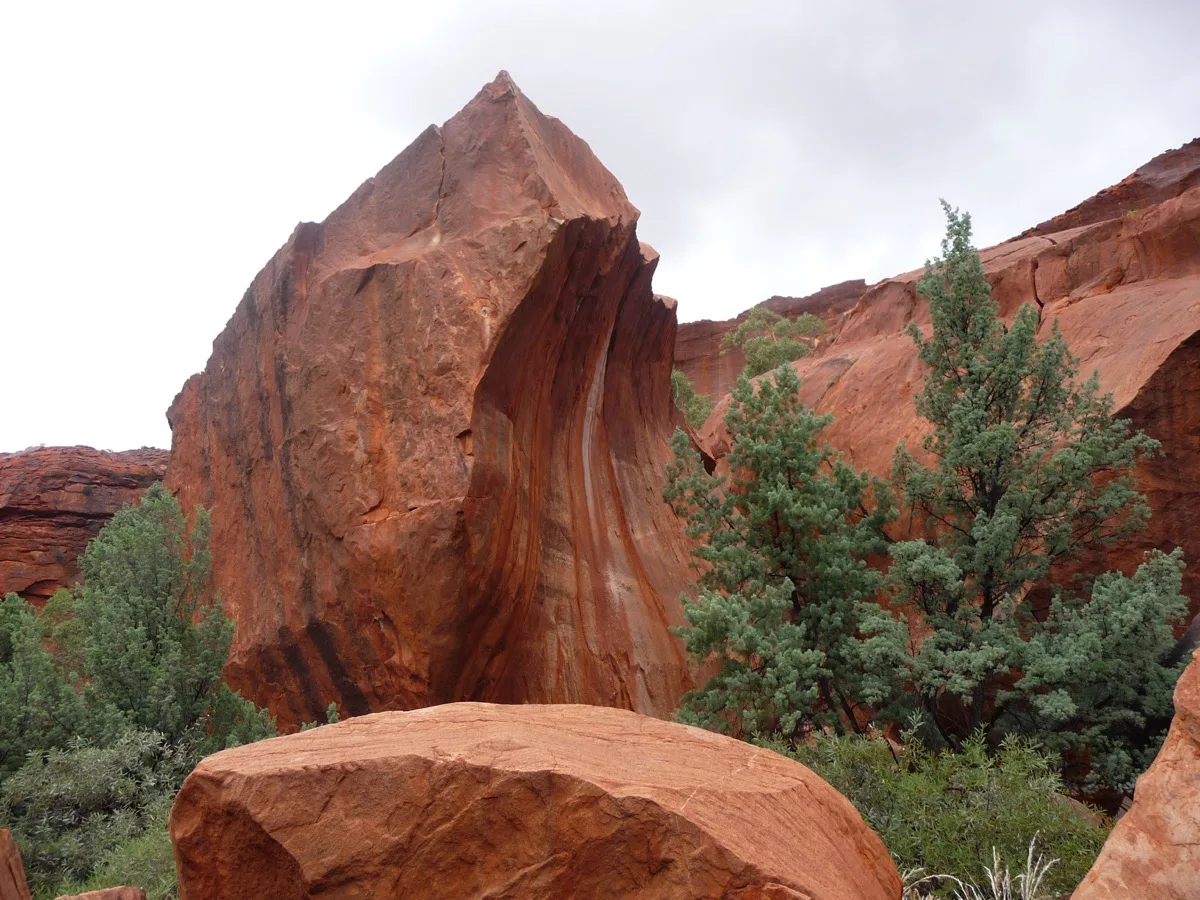
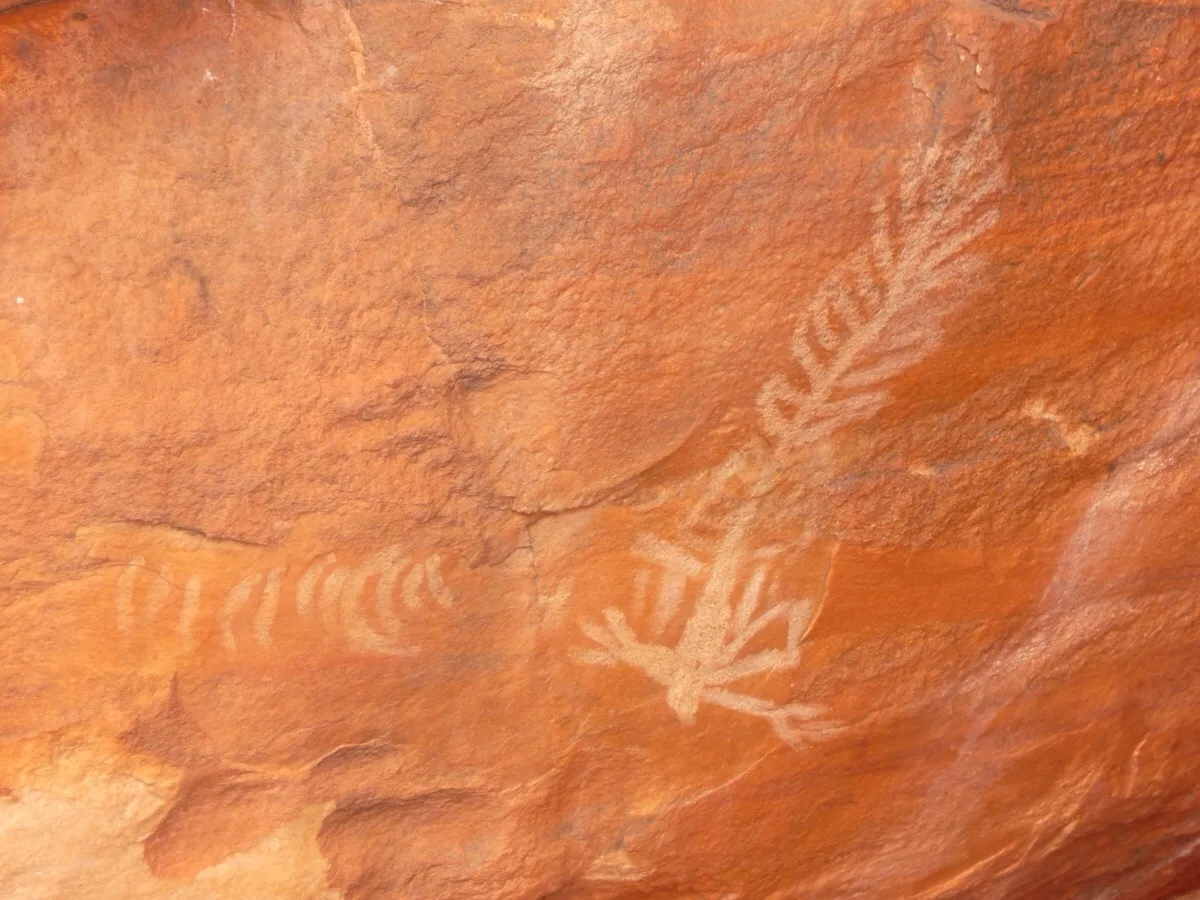
We also found older marks - Aboriginal rock art weathered into the sandstone, reminding us that people have been reading this country and marking important sites for thousands of years before Muir ever set foot here. The geology tells its own story too, with those dramatic rust-colored cliffs showing millions of years of layering and erosion.
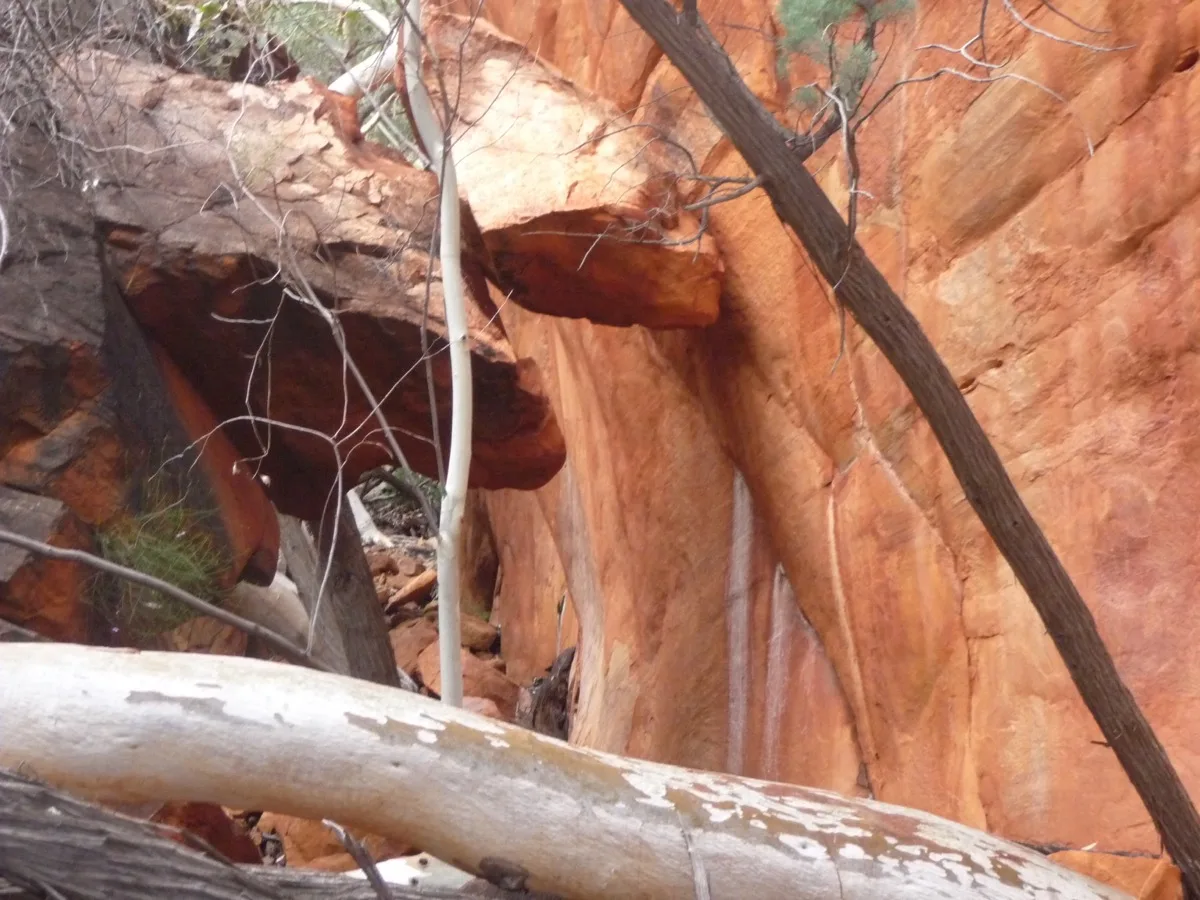
Four days of dust, stunning desert scenery, historical detective work, and good company. This is the kind of trip that reminds you why Australia's outback gets under your skin.</p>